Explained: Why Is There No Third Umpire In India Vs Japan T20I Match?
The match did not have a TV umpire as part of its official umpiring setup. Chris Brown and Chris Thurgate were the two on-field umpires, while Vengalil Narayanan Kutty was appointed as the match referee. With no third umpire assigned to the fixture, there was no official available to examine the television replays and make a decision on the run-out.

X/BCCI
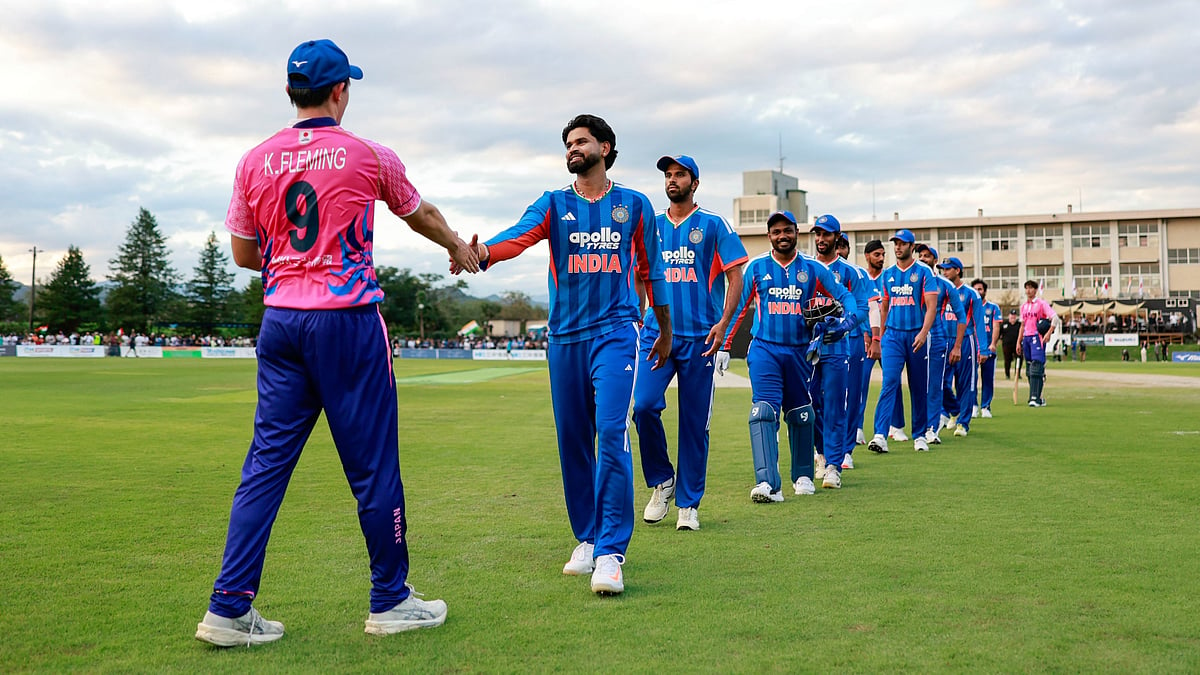
A bizarre moment during the India vs Japan one-off T20I left viewers scratching their heads. Captain Shreyas Iyer was on the field when he attempted a run out with a direct hit. The Indians, including bowler Ravi Bishnoi appealed, but to no avail with the Japanese batters even stealing a second run on the overthrow.
The commentators revealed that the match did not have a TV/third umpire and all decisions were down to the two on field umpires. With no TV umpire available, the appeal could not be referred for a replay review and Japan was allowed to continue.
What Happened During The Run-Out Appeal?
Japan's Kendel Kadowaki-Fleming pushed Ravi Bishnoi's delivery towards the cover region and attempted to complete runs. Shreyas Iyer quickly collected the ball and produced a direct hit at the bowler's end, prompting an appeal from India. However, the umpire's eyes were away from the stumps at the crucial moment, leaving him unable to confidently adjudicate the run-out.
Why Was There No Third Umpire?
The match did not have a TV umpire as part of its official umpiring setup. Chris Brown and Chris Thurgate were the two on-field umpires, while Vengalil Narayanan Kutty was appointed as the match referee. With no third umpire assigned to the fixture, there was no official available to examine the television replays and make a decision on the run-out.
The India-Japan fixture was played under a more limited officiating arrangement, meaning close decisions had to be settled by the on-field officials.
Why Couldn't The Decision Be Reviewed?
A third umpire is the official who normally handles referrals for close calls such as run-outs and stumpings when the match conditions provide for television reviews. In this game, the absence of that official meant the on-field umpire's decision could not be transferred to another umpire for a replay-based assessment.
As a result, the two runs were allowed to stand despite India's appeal.
RECENT STORIES
-
-
-
-
-