No Idols At Home, Married Daughters Return: Helas Village In Jalna Keeps 138-Year-Old Ganeshotsav Tradition Alive
According to the Shri Ganesh Sansthan, the village has been observing its unique Ganesh festival for 138 years, with records indicating that the tradition predates the public Ganesh festival movement associated with Lokmanya Tilak

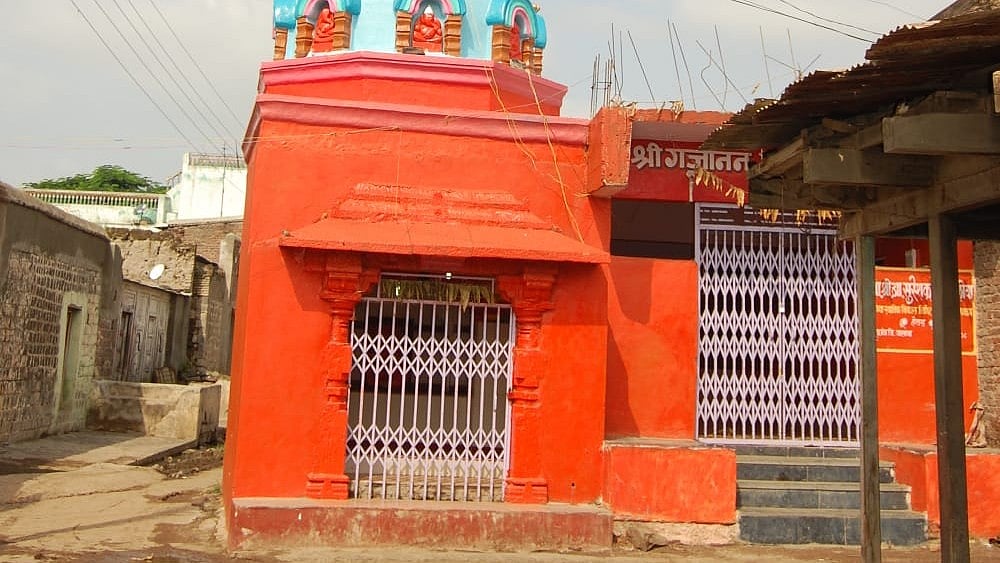
No Idols At Home, Married Daughters Return: Helas Village In Jalna Keeps 138-Year-Old Ganeshotsav Tradition Alive | Sourced
Jalna: The 138-year-old Ganesh festival at Helas village in Mantha taluka is drawing attention for its distinctive traditions that combine religious devotion, environmental conservation and cultural activities.
Located about five kilometres from Mantha, Helas is a village of around 3,500 people from different communities. According to the Shri Ganesh Sansthan, the village has been observing its unique Ganesh festival for 138 years, with records indicating that the tradition predates the public Ganesh festival movement associated with Lokmanya Tilak.
Unlike conventional celebrations, residents do not install separate Ganesh idols in their homes or conduct immersion processions. The focus is on an ancient east-facing Ganesh idol housed in a central Hemadpanthi temple, regarded by villagers as the village deity.
ALSO READ
The festival begins with worship of the temple idol and the traditional Bhagwat Katha. It concludes with Palakhi Purnima, marked by Maha Aarti, Mahaprasad and an overnight palanquin procession through the village. The palanquin is carried on devotees’ shoulders and, according to the organisers, is not placed on the ground during the procession.
The festival also has a strong social dimension. Married daughters born in Helas return to their maternal village with their families, making the occasion a major reunion for several generations.
Another important feature is the village’s musical theatre tradition. Three plays are staged every year, with young residents rehearsing for nearly a month before Ganesh Chaturthi. The tradition includes social, religious and humorous themes and has historically featured plays aimed at promoting social awareness and unity.
The organisers say the festival is conducted without DJs or high-volume sound systems and without idol immersion, thereby avoiding associated noise and water pollution.
“Faith, culture, art, social harmony and environmental conservation can be brought together through a festival,” said Deepak Kharabe, president of Shri Ganesh Sansthan, Helas.
RECENT STORIES
-
-
-
-
-