Nashik Gears Up For Kumbh Mela With Action Plan To Tackle River Pollution, Water Hyacinth
Rising river pollution and the unchecked growth of water hyacinth (eutrophication) in the district’s rivers have emerged as serious concerns. To address the issue effectively, a comprehensive and sustainable action plan will be implemented as a priority, especially in view of the upcoming Kumbh Mela, informed District Collector Ayush Prasad

Nashik Gears Up For Kumbh Mela With Action Plan To Tackle River Pollution, Water Hyacinth | Sourced
Nashik: Rising river pollution and the unchecked growth of water hyacinth (eutrophication) in the district’s rivers have emerged as serious concerns. To address the issue effectively, a comprehensive and sustainable action plan will be implemented as a priority, especially in view of the upcoming Kumbh Mela, informed District Collector Ayush Prasad.
He was speaking during a high-level meeting conducted today through video conferencing under his chairmanship. Senior officials from the Zilla Parishad and district administration, including the Project Director (DRDA); Deputy Chief Executive Officer of the Panchayat, Water Supply and Sanitation Department; District Planning Officer Vijay Shinde; representatives associated with CSR and investment promotion; and Natasha, founder of the environmentally focused organisation Eco-Sattva, which works at national and international levels, were present at the meeting.
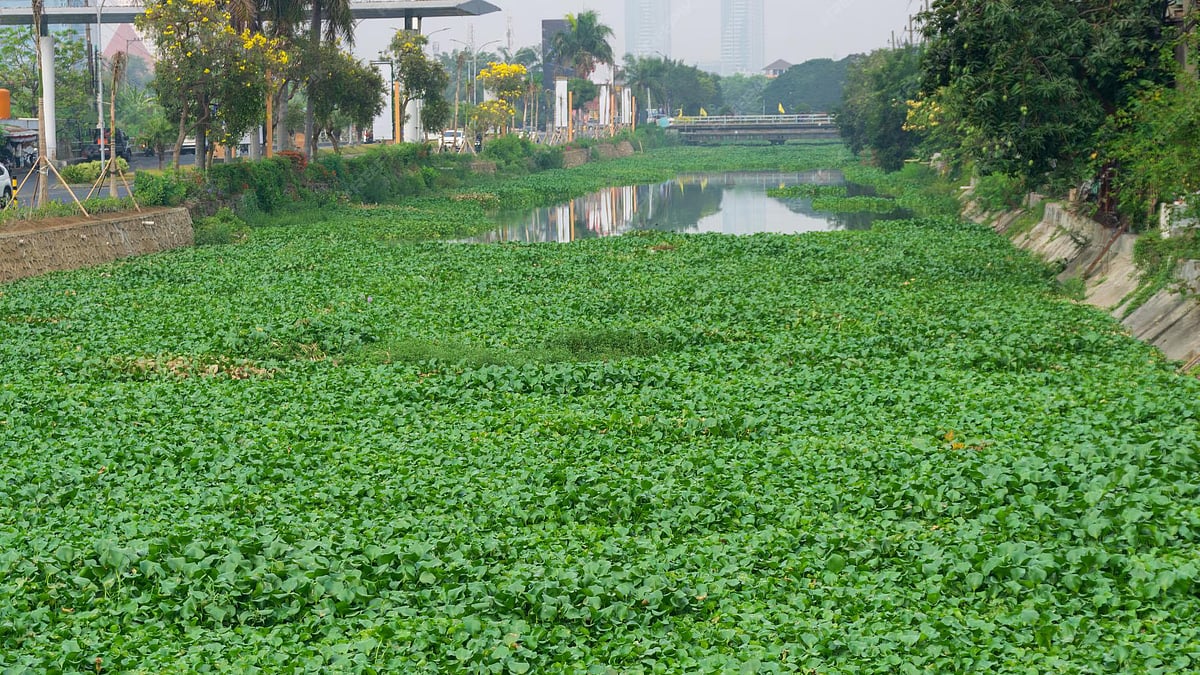
During the meeting, it was observed that water hyacinth growth has spread across nearly 62 kilometres of river stretch, particularly in the Godavari River belt. This excessive growth is adversely affecting water quality and biodiversity. It was also pointed out that the obstruction of water flow is leading to foul smells, mosquito breeding, and public health-related concerns.
Additionally, the meeting highlighted the severe impact of the issue on the Nandur Madhameshwar Bird Sanctuary, a Ramsar-designated wetland sanctuary. Home to more than 300 species of birds, the sanctuary’s fragile ecosystem is under threat as uncontrolled water hyacinth growth is reducing oxygen levels in water bodies.
Officials noted that although several mechanical and manual efforts had been undertaken in the past to remove water hyacinth, the problem persisted due to the absence of long-term and sustainable solutions. It was further stated that agricultural runoff, excessive use of chemical fertilisers, inadequate sewage management, and urban wastewater discharge are among the primary causes behind the rapid spread of water hyacinth.
To address the problem, District Collector Prasad directed that multi-dimensional measures be undertaken. These include regular and technically effective removal of water hyacinth from rivers, improving the efficiency of sewage treatment systems, riverbank conservation, and the reuse of water hyacinth for biofuel, compost, and other useful products.
Special emphasis will also be placed on accelerating the initiative through Corporate Social Responsibility (CSR) partnerships. Instructions were issued to develop planned, measurable, scalable, and sustainable projects while ensuring effective coordination between government agencies and CSR partners.
For the implementation of this initiative, the Deputy Chief Executive Officer of the Water Supply and Sanitation Department has been appointed as the Single Point of Contact (SPOC). Further action will be taken in coordination with Panchayati Raj institutions, Gram Panchayats, local self-government bodies, and various departments.
RECENT STORIES
-
-
-
-
-