Jalgaon Dams Fall to 40% Capacity Amid Rising Heat; Water Supply Till July Becomes A Major Challenge
Jalgaon regularly witnesses temperatures around 45 degrees Celsius during summer, but this year the mercury has climbed even higher, worsening evaporation from dams and reservoirs. During the last monsoon season, the district’s three major projects, Hatanur, Girna and Waghur, had reached full capacity. However, the combined storage in these dams, which stood at 52 per cent on April 23

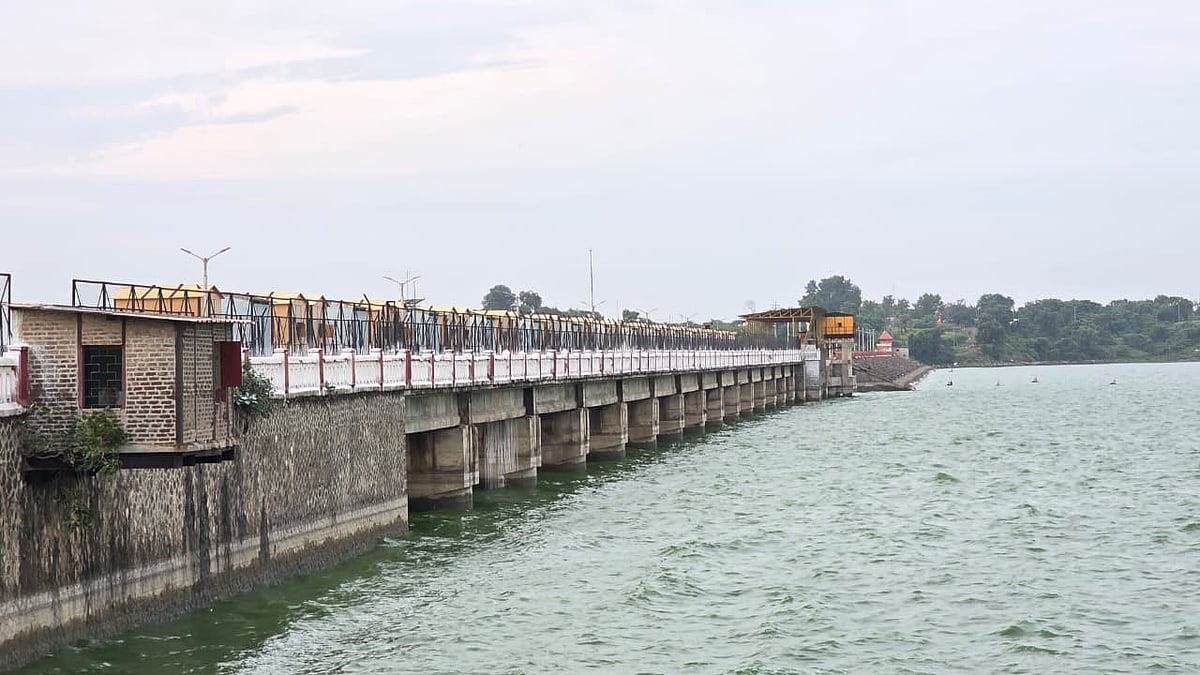
Jalgaon Dams Fall to 40% Capacity Amid Rising Heat; Water Supply Till July Becomes A Major Challenge |
Jalgaon: With temperatures in Jalgaon district soaring to 46 degrees Celsius, the intense summer heat has started severely affecting water reserves across the region. The combined water stock in the district’s major dams has now dropped to 40 per cent, while 13 medium irrigation projects currently stand at 45 per cent capacity, raising concerns over how water supply will be maintained until the end of July.
Jalgaon regularly witnesses temperatures around 45 degrees Celsius during summer, but this year the mercury has climbed even higher, worsening evaporation from dams and reservoirs. During the last monsoon season, the district’s three major projects, Hatanur, Girna and Waghur, had reached full capacity. However, the combined storage in these dams, which stood at 52 per cent on April 23, has now reduced to 40 per cent.
At present, Hatanur dam holds 29 per cent water stock, Girna dam 31 percent and Waghur dam 69 per cent. Officials said the actual usable water in Hatanur is lower due to heavy silt accumulation, which accounts for nearly 54 per cent of the dam’s total capacity. Water from Hatanur supplies Bhusawal city, the Railways, Varangaon, the Bhusawal Ordnance Factory and Jalgaon MIDC.
ALSO READ
The Girna dam, considered the largest in North Maharashtra, currently supplies water to one municipal corporation, 10 municipal councils, 174 villages, 130 water supply schemes and seven talukas. Due to continuous evaporation and rising temperatures, maintaining a sufficient water supply till the arrival of the monsoon has become a major concern for the administration.
Meanwhile, the Waghur dam, which provides water to Jalgaon city, currently has 69 per cent storage, though residents remain worried about the overall water situation in the district.
The district also has 14 medium irrigation projects, many of which had filled completely during the monsoon. Their storage, which was 52 per cent a month ago, has now reduced to 45 per cent. However, officials pointed out that the situation is still better compared to last year, when water stock in these projects had fallen to just 29 per cent during the same period.
ALSO READ
The impact of water scarcity has now started reaching villages as well. For the first time this year, the administration has deployed 11 water tankers to supply water to seven villages in Amalner, Jamner and Bhusawal talukas. Authorities have also officially acquired 43 wells across 42 villages to tackle the shortage.
At the same time, confusion continues over the government’s proposed dam desilting initiative. While the state has announced plans to remove silt to improve storage capacity, officials are still awaiting clear guidelines regarding who will carry out the work, how it will be implemented and when it will begin. Authorities fear that if the monsoon arrives early, desilting work may not be possible this year.
RECENT STORIES
-
-
-
-
-