Baner Waqf Land Row: Maharashtra Board Cancels Baner Masjid Registration In Pune, Declares Sale Transactions Void
The Maharashtra State Board of Waqfs has cancelled the separate registration of Baner Masjid and declared the permissions and property transactions arising from it void from the beginning, ending a nearly two-decade-old dispute over around 7 hectares 34 ares of land at Survey No. 99/1 in Baner

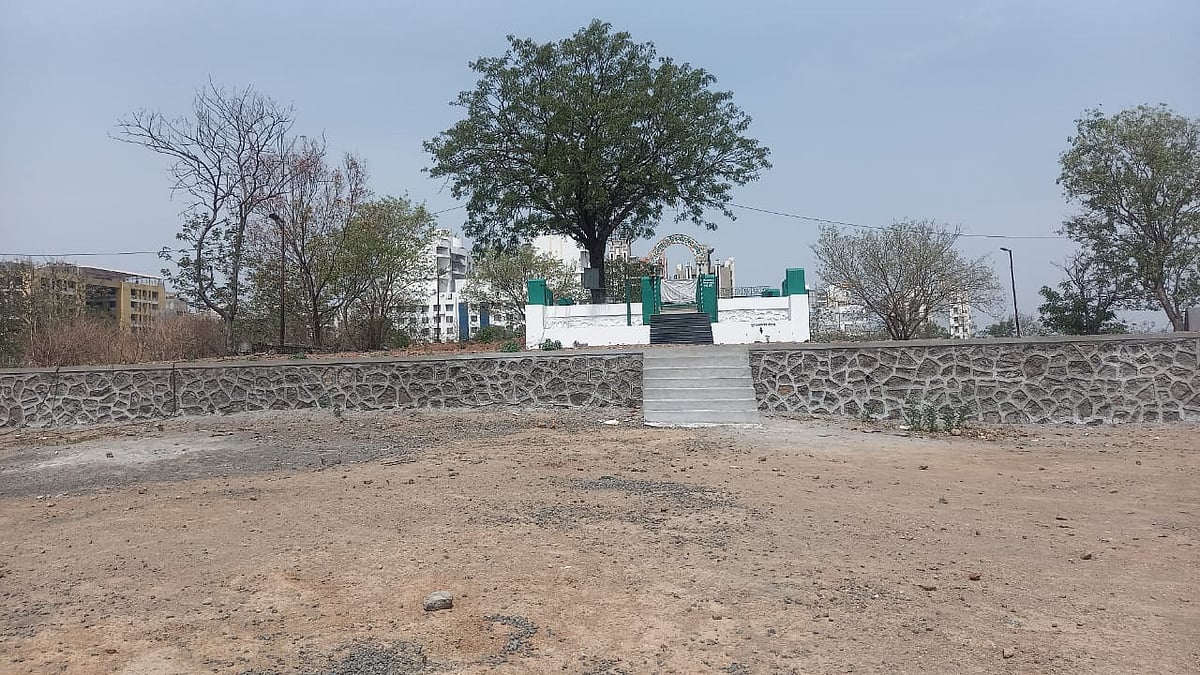
Baner Waqf Land Row: Maharashtra Board Cancels Baner Masjid Registration In Pune, Declares Sale Transactions Void | Sourced
Pune: The Maharashtra State Board of Waqfs has cancelled the separate registration of Baner Masjid and declared the permissions and property transactions arising from it void from the beginning, ending a nearly two-decade-old dispute over around 7 hectares 34 ares of land at Survey No. 99/1 in Baner. The 22-page order was issued on September 2, 2026, by Maharashtra State Board of Waqfs Chief Executive Officer Faiyyaz Khan. The Board accepted an objection filed by Hamid Humayun Khan and others concerning the property.
The order holds that the separate registration of Baner Masjid was not legally valid. It also cancels the related November 3, 2006 No-Objection Certificate (NOC) and declares the sale permissions and transactions based on the disputed registration void ab initio, meaning invalid from their inception. The Board has further directed steps to recognise Hazrat Udan Shah Wali Dargah, Baner, as the relevant Waqf institution and make corresponding changes in revenue and registration records.
Dispute over 18-acre Baner property
The property measures about 7 hectares 34 ares, or nearly 18 acres, and is associated with the historic Udan Shah Wali Dargah and Baner Masjid. The Waqf Board’s order traces the religious endowment to a grant made by the then Governor of Bombay through Order No. 986 dated August 12, 1870.
The property was later associated with Udanshah Wali Dargah Trust, which was registered with the Charity Commissioner as Public Trust No. B-382. The dispute arose after a separate registration was created for Baner Masjid, identified in the proceedings as MSBW/PUN/4872. The Board has now cancelled that registration.
According to the Board, the earlier registration of Udan Shah Wali Dargah meant that the institution and its properties were required to be treated as deemed registered under Section 43 of the Waqf Act, 1995.
How the 2006 sale permission came about
The dispute dates back to 2005, when an application was made seeking permission to alienate the land. On September 29, 2006, an order permitted the sale of the property for ₹9.51 crore. The proceedings state that ₹7 crore was to be paid to the Waqf Board.
A separate NOC was issued by the then CEO on November 3, 2006. The sale deed was later executed on October 31, 2009. The transaction became the subject of prolonged litigation and administrative proceedings.
The applicants challenged the authority under which the sale permission and NOC were issued. They also questioned whether the required approval of the Waqf Board had been obtained and raised objections over the procedure followed for the sale.
ALSO READ
Board cancels NOC and sale-related transactions
The Board has now held that the separate Baner Masjid registration itself was invalid. As a result, the permissions and transactions based on that registration have also been declared void ab initio.
The Board specifically cancelled the November 3, 2006 NOC, holding that the then chairman did not have the legal authority to issue it.
The applicants had also raised questions about the absence of the required Board approval, public auction and proper valuation. The respondents, however, opposed these claims and maintained that the sale process had followed the required procedure.
They also challenged the Waqf Board’s jurisdiction to reopen the old matter and argued that the dispute should have been taken before the Waqf Tribunal.
The Board rejected these objections and accepted the application filed by Hamid Khan and others.
2025 revenue changes also cancelled
The dispute resurfaced in 2025 after a letter issued by the then Waqf Board CEO Juned Sayyed on May 27.
The letter was sent to revenue authorities regarding the property. Revenue records were subsequently changed in July 2025.
The latest order has now revoked the May 27, 2025 communication and directed consequential action concerning the revenue records.
The Board has asked the Pune district administration and other concerned authorities to make entries reflecting Udan Shah Wali Dargah as the Waqf institution connected with the property.
It has also directed steps concerning the cancellation of revenue entries and sale deeds arising from the transactions now declared invalid.
Purchasers opposed the proceedings
The purchasers and other respondents opposed the application before the Board.
They argued that the Waqf Board could not reopen or review its own earlier decision after several years. They also questioned the applicants’ legal standing and argued that the challenge was barred by limitation.
The respondents maintained that the sale process had followed the applicable procedure. They referred to a newspaper advertisement, consideration of the proposal at a Board meeting and other steps taken before the 2006 permission.
They also argued that the 2009 sale deed was executed within 36 months of the November 3, 2006 CEO order and described themselves as bona fide purchasers.
The Board, however, did not accept their objections.
Descendants of original grantee also raised claims
The proceedings also involved descendants and legal heirs of the original grantee of the property.
They claimed that the property had not been permanently dedicated as Waqf and questioned the basis on which it was subsequently recorded as Waqf property.
They also raised allegations of fraud, misrepresentation and suppression of material information.
The final order, however, recognises Udan Shah Wali Dargah as the relevant institution and directs that it be treated as deemed registered along with its properties under Section 43 of the Waqf Act.
What happens next
The Board’s order now requires action from the Pune district administration, revenue authorities and registration officials.
The authorities will have to give effect to the directions concerning the Waqf registration, sale deeds and revenue records.
The order marks a significant development in a dispute over one of Baner’s prominent religious properties. The matter has involved the Waqf Board, private purchasers, developers and descendants of the original grantee for almost two decades.
Parties affected by the order may still pursue remedies before the appropriate court or tribunal.
RECENT STORIES
-
-
-
-
-