Uber, Mahindra Plan 5,000 Electric Autos In Mumbai, But Charging Infrastructure Remains A Concern
Uber and Mahindra Last Mile Mobility plan to bring 5,000 electric autos onto Uber’s Mumbai platform over 12 months, offering financing and trade-in support. But a driver survey found 62% cite inadequate charging facilities and 60% the high purchase cost as major barriers, while only 51 of 57 public charging sites listed by BEST were operational.

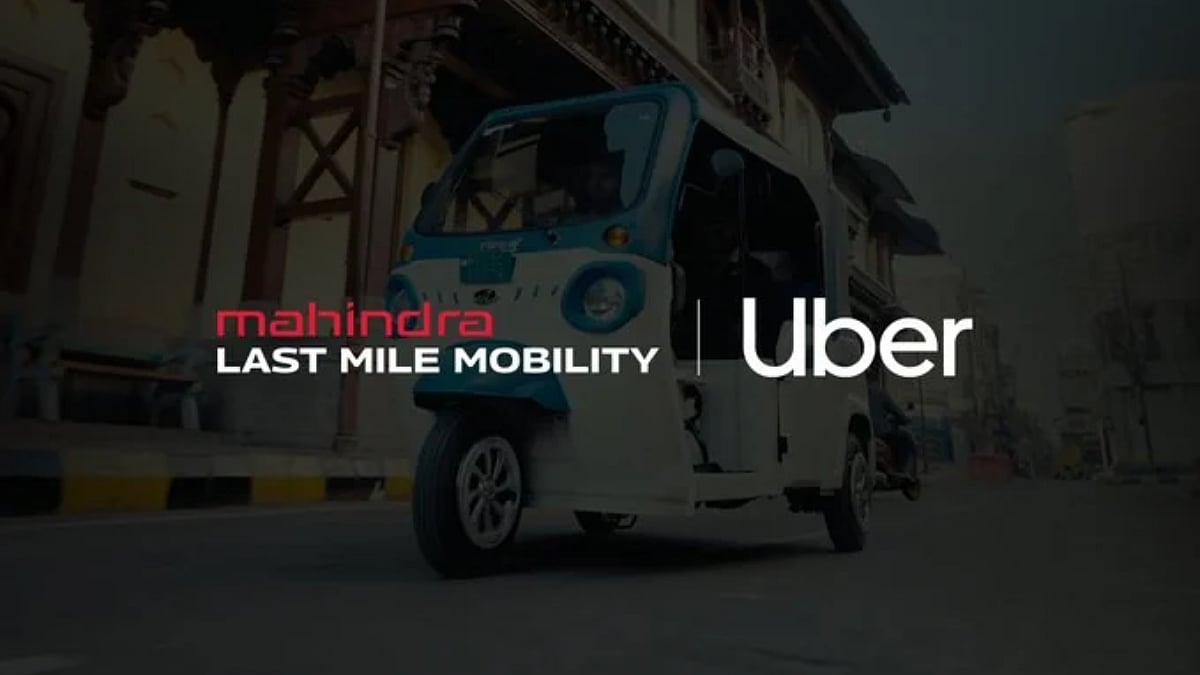
The partnership will offer financing and trade-in incentives to encourage auto-rickshaw drivers to switch to electric vehicles | X - @VahanWarta
Mumbai, November 16, 2026: Mumbai could see 5,000 electric auto-rickshaws on the roads over the next 12 months, with Uber joining hands with Mahindra Last Mile Mobility to accelerate the shift towards electric mobility.
However, while the partnership promises financial support and better earning opportunities for drivers, the lack of adequate charging infrastructure and the high upfront cost of electric vehicles remain major roadblocks to wider adoption.
Under a memorandum of understanding (MoU), the two companies will work towards facilitating the adoption of 5,000 electric three-wheelers. The vehicles are expected to operate exclusively on the Uber platform.
The partnership will offer financing options, trade-in incentives and other support to help auto drivers switch from conventional fuel-powered vehicles to electric ones. The initiative will focus particularly on markets where electric vehicle penetration remains low.
Partnership Aims To Make E-Autos Viable
The companies believe that making electric autos financially viable for drivers will be crucial to expanding their numbers. Mahindra Last Mile Mobility managing director and CEO Suman Mishra said the transition would gather pace only when it made economic sense for drivers and entrepreneurs.
"Sustainable mobility will scale when it works for the driver first. By making electric mobility a better economic choice for drivers and entrepreneurs, we are creating impact that is both sustainable and scalable," she said.
Uber's Global Head of Mobility, Pradeep Parameswaran, said the partnership was part of the company's efforts to build an urban mobility ecosystem where public transport and shared mobility complement each other.
The company also showcased its Connected Journeys feature, which will integrate public transport with shared mobility options. The service is being progressively rolled out in India, beginning with Mumbai and Delhi.
It will allow commuters to combine metro journeys with first- and last-mile transport options, including autos and two-wheelers, while checking route options, estimated travel time and fares.
Charging Infrastructure Remains A Concern
However, the bigger challenge for Mumbai will be ensuring that drivers have access to convenient and reliable charging facilities. A survey of 1,200 auto-rickshaw and taxi drivers across the city's 24 municipal wards, conducted by the Waatavaran Foundation and partner organisations, found that 62 per cent identified inadequate charging infrastructure as a major obstacle to switching to electric vehicles. Another 60 per cent cited the high purchase cost of EVs as a concern.
Also Watch:
The city's existing charging network also highlights the gap. According to the BMC's Climate Budget for 2025-26, BEST had established public EV charging facilities at 57 locations, with 276 chargers across Mumbai. However, only 51 charging stations were operational, while six were still under development.
To get details on exclusive and budget-friendly property deals in Mumbai & surrounding regions, do visit: https://budgetproperties.in/
RECENT STORIES
-
-
-
-
-