PM Modi's Fuel Usage Appeal Reflects In Mumbai Commute As Office-Goers Shift From Private Vehicles To Shared Mobility
A growing number of Mumbai office-goers are switching from private vehicles to shared mobility services following Prime Minister Narendra Modi’s appeal to reduce fuel usage. Commuters are increasingly opting for pool cabs, app-based buses and ridesharing for lower travel costs and better comfort.

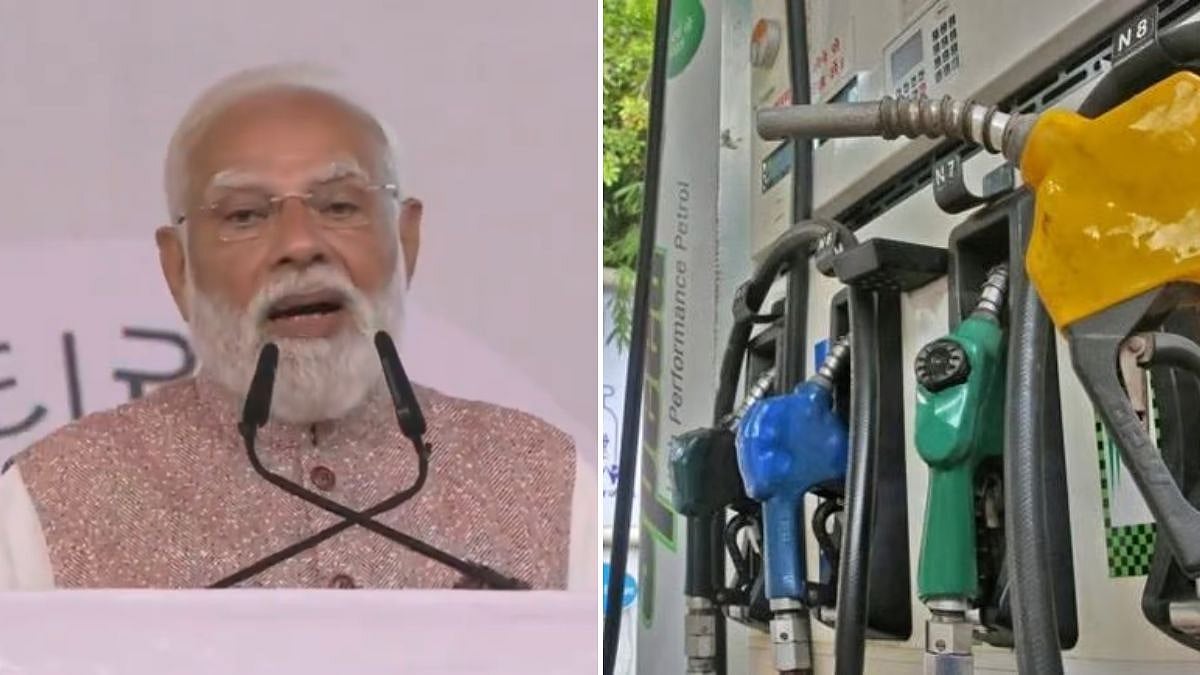
PM Modi's Fuel Usage Appeal Reflects In Mumbai Commute As Office-Goers Shift From Private Vehicles To Shared Mobility | X @ANI & File Pic
Mumbai: Prime Minister Narendra Modi’s recent nationwide appeal to “reduce fuel usage” is already reflecting in the commuting patterns of Mumbai’s office-goers, with a growing number of people shifting from private vehicles to shared mobility options such as pool cabs, app-based buses and suburban trains.
Professionals ditch private cars for carpooling & shared buses
Over the last few years, shared transport services have steadily gained popularity in Mumbai, especially among daily office commuters travelling long distances. Many professionals are now opting for carpooling, shared buses and organised office commute services instead of driving their own cars to work. Apart from saving fuel and reducing travel expenses, commuters say these services provide better comfort, fixed seating and direct connectivity between home and office without the hassle of last-mile transport.
Unlike crowded local trains and BEST buses where passengers often struggle for space, commuters are increasingly choosing shared mobility because of the assurance of confirmed seating and predictable travel schedules. With traffic congestion worsening across the Mumbai Metropolitan Region, many office-goers also feel that shared transport helps reduce the stress of driving in peak-hour traffic.
“The last couple of years have seen real movement in India's urban transport story with expanded metro networks, new expressways, and rising investment in mass transit. Organised shared mobility is a natural extension of that shift. At Cityflo, our ridership has grown 5x over the last three years, reflecting a larger movement where shared mobility is becoming the preferred choice, helping collectively decongest our cities precisely because it makes sense at an individual level," said Jerin Venad, CEO and Co-founder of Cityflo.
Expert Afzal: Shared mobility optimises asset utilisation
Transport expert MD Afzal said shared mobility has become one of the smartest urban transport adaptations considering the increasing number of vehicles on Indian roads. “Earlier, one family had one car, but today every individual wants a separate vehicle because loans are easily available. This has increased the density of cars on roads. Shared mobility optimises asset utilisation, reduces congestion and emissions, and makes transport affordable and accessible,” he said.
He added that the shift from personal vehicle ownership to on-demand shared services is becoming essential for sustainable urban growth. However, he pointed out that challenges related to last-mile connectivity around metro stations, safety perception and regulatory clarity still need attention. “Today’s generation wants transport services at their doorstep. Shared mobility solutions must evolve keeping commuter convenience and accessibility in mind,” he said.
Psychologist Parekh cites 'Mumbai Hustlerz' success
Social psychologist and philanthropic foundation professional Chandni Parekh, who actively promotes ridesharing initiatives, said many commuters now prefer carpooling because of its affordability and seamless travel experience. Referring to the Mulund-based ridesharing network ‘Mumbai Hustlerz’, she said commuters can travel comfortably at a relatively low cost compared to premium public transport options.
ALSO READ
“There are many reasons why people hesitate to ask for or offer rides, but the benefits of ridesharing far outweigh the barriers. If people become more aware about improving collective commutes, traffic congestion can reduce significantly,” she said.
Nitin Dosa, Chairman of the Western India Automobile Association, said the concept of organised carpooling was earlier promoted successfully by the association under former president RM Gandhi. “This is the right time to introduce and encourage the concept again,” he said.
According to app-based shared commute platform Cityflo, the demand for organised shared transport has grown sharply in recent years. The company said its ridership has increased by 400 per cent in the last three years and it currently serves around 1.5 million rides every month across Mumbai, Delhi, Hyderabad and Kolkata. Nearly 45 per cent of its users earlier relied on private four-wheelers for daily commuting.
To get details on exclusive and budget-friendly property deals in Mumbai & surrounding regions, do visit: https://budgetproperties.in/
RECENT STORIES
-
-
-
-
-