Garbage Bin Near Mumbadevi Temple Leaves Devotees And Traders Troubled By Foul Smell During Navratri; Locals Demand BMC Action
Devotees visiting Mumbai's Mumbadevi Temple during Navratri are facing foul odour and unhygienic conditions due to a large BMC garbage bin near Dagina Bazaar. Local traders and social worker Ravindra Jain have raised concerns over unresolved sanitation complaints, demanding regular waste collection, improved cleanliness and a permanent solution to the garbage problem near the shrine.

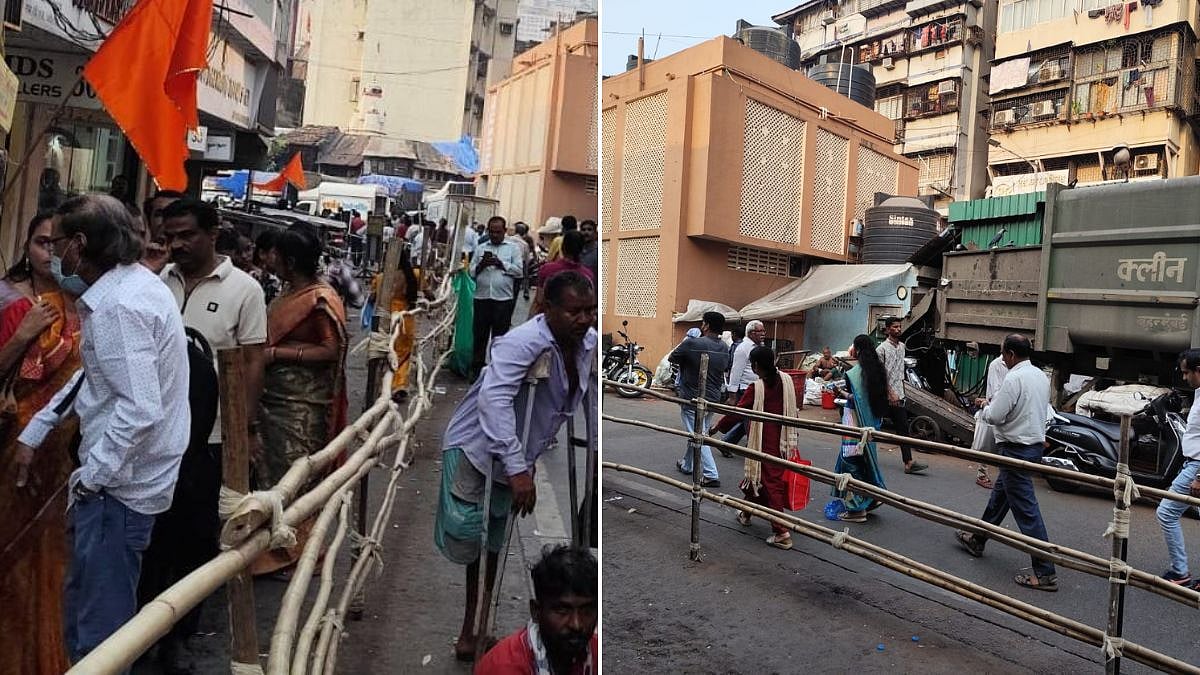
Garbage Bin Near Mumbadevi Temple Leaves Devotees And Traders Troubled By Foul Smell During Navratri; Locals Demand BMC Action | File Photo
Mumbai: A large municipal garbage bin near Mumbadevi Temple, the city's presiding deity, has become a source of foul odour and inconvenience for local traders and devotees visiting the shrine during Navratri. The garbage bin, located a short distance from the temple in the Dagina Bazaar area, has raised concerns over sanitation and civic management in one of south Mumbai's busiest commercial and religious precincts.
Garbage Problem Hits Commercial Hub
Zaveri Bazaar is Mumbai's historic and premier marketplace for gold, silver, diamonds and gemstones. However, the garbage accumulated around a large Brihanmumbai Municipal Corporation (BMC) bin in the vicinity of the temple has become a persistent problem, affecting both business establishments and devotees visiting the shrine.
Mumbadevi Temple attracts large numbers of devotees every day, particularly during Navratri. Many visitors have to wait in queues for three to four hours to seek the blessings of the Goddess. The presence of garbage and the foul smell in the surrounding area has made the waiting experience uncomfortable for devotees.
Despite repeated complaints to public representatives, corporators and BMC officials, the problem reportedly remains unresolved, prompting questions about the civic administration's response to sanitation concerns around a prominent religious site.
Unhygienic surroundings trouble devotees: Mumbadevi Temple is an important centre of faith for devotees from Mumbai and other parts of the country. Maintaining cleanliness around the shrine is particularly important during festivals, when the number of visitors increases significantly.
However, the garbage bin and the waste scattered around it have become a source of concern for local traders and devotees. Apart from causing inconvenience, the foul smell and unhygienic surroundings have also raised concerns about public health and sanitation.
Food distribution affected by foul smell: Food packets and refreshments are often distributed to devotees as part of charitable and religious activities near the temple. However, the unhygienic conditions and foul smell reportedly make it difficult for devotees to consume food comfortably in the area.
Those waiting for hours to enter the temple are particularly affected, as they have little choice but to remain in the vicinity of the garbage bin while standing in queues.
Ravindra Jain raises the issue: Social worker Ravindra Jain has raised concerns over the problem and said that the matter had been brought to the attention of corporators, public representatives and BMC officials. However, the lack of an effective resolution has continued to inconvenience devotees and local businesses.
Jain has urged the authorities to take the issue seriously and ensure proper sanitation around the temple. He stressed that a prominent religious destination such as Mumbadevi Temple should have adequate cleanliness arrangements, particularly during the festive season.
Demand for regular cleaning, proper waste disposal: Locals have demanded that the BMC inspect the site and ensure regular cleaning around the garbage bin. They have also called for timely waste collection and effective measures to eliminate the foul smell.
If the existing location of the bin is obstructing devotees' queues or pedestrian movement, the civic administration should consider shifting it to a more suitable location, they said. Residents and traders also want a permanent arrangement to prevent the problem from recurring.
ALSO READ
When will the administration act?: With Navratri drawing large numbers of devotees to Mumbadevi Temple, maintaining a clean and hygienic environment around the shrine has become increasingly important. Devotees visit the temple to offer prayers and seek the blessings of the Goddess, not to endure foul smells and unhygienic surroundings while waiting for darshan.
Despite complaints reportedly being made to the authorities, the persistence of the problem has raised questions about the effectiveness of the civic response. The demand is now for concrete action rather than assurances, with the BMC being urged to ensure regular cleaning, timely garbage disposal and lasting relief from the foul smell.
The key question remains that when will devotees and traders in Dagina Bazaar finally get relief from the garbage and foul odour near Mumbadevi Temple?
From cluttered footpaths to walls and streets plastered with banners, flex boards and posters, the BMC is stepping up its drive to reclaim public spaces and clean up Mumbai’s visual landscape.
The civic body has cleared 399 footpaths across all 26 administrative wards and removed 52,448 banners, flex boards and posters between January 1 and October 16, 2026.
In the first phase of the pedestrian-first drive, the BMC removed encroachments from 399 footpaths across Mumbai’s 26 administrative wards, freeing up nearly 500 km of roads for unobstructed pedestrian movement.
So far, 2,803 encroachments and hawkers have been removed, particularly around hospitals, schools, colleges, railway stations, bus depots and other public places.
BMC Plans Further Measures To Reclaim Footpaths
The BMC will focus on the following measures:
Crackdown on illegal parking: Coordinate with traffic police to curb unauthorised two-wheeler parking on footpaths through regular monitoring and enforcement.
Develop public parking spaces: Make land reserved for public parking operational and accessible to citizens. Mark designated parking bays wherever feasible without compromising pedestrian safety.
Verify shop and stall areas: Check the original area, official records and approved permissions of authorised shops and stalls before relocation or rehabilitation to prevent illegal extensions.
Repair and beautify footpaths: Repair footpaths immediately after removing encroachments and ensure they remain clean, safe, visually appealing and accessible to pedestrians.
Remove unauthorised ramps: Inspect housing societies that have allegedly altered footpaths to build ramps for vehicle access. Issue notices, remove illegal ramps and restore the original footpath structure.
Act against commercial misuse: Take strict action against garages using footpaths to park or repair vehicles and businesses using footpaths or roadside spaces illegally for vehicle sales.
Over 52,000 Advertising Materials Removed
Between January 1 and October 16, 2026, the BMC removed 52,448 flex boards and posters.
During a special drive conducted from October 8 to 16, the civic body removed 3,537 unauthorised advertising materials, including banners, boards, posters and flags, from public spaces across the city.
The BMC registered FIRs in four cases and sent letters to the police in 333 cases.
QR Codes Proposed For Authorised Hoardings
The BMC is considering making QR codes mandatory on authorised advertising hoardings to enable easy verification of their validity and help distinguish legal displays from unauthorised ones.
Municipal Commissioner Ashwini Bhide has directed officials to take action against printers and advertising agencies producing hoardings without the requisite permissions.
Also Watch:
ALSO READ
Legal Action Against Unauthorised Advertisements
The BMC has taken legal action against those putting up unauthorised banners, posters and advertising hoardings in public places. Under the Maharashtra Prevention of Defacement of Property Act, 1995, violators may face imprisonment of up to three months or a fine.
To get details on exclusive and budget-friendly property deals in Mumbai & surrounding regions, do visit: https://budgetproperties.in/
RECENT STORIES
-
-
-
-
-