FPJ Eco-Ganesha Initiative: BMC Pushes Green Ganeshotsav As 98% Idol Immersions Shifted To Artificial Lakes In Mumbai
BMC Additional Commissioner Avinash Dhakane said Mumbai has seen a rise in eco-friendly Ganeshotsav practices. The civic body has increased artificial immersion pond locations from 298 last year to 383 this year. BMC distributed over 940 metric tonnes of clay and 25,400 litres of natural colours to artisans while managing idol remains and immersion arrangements across the city.

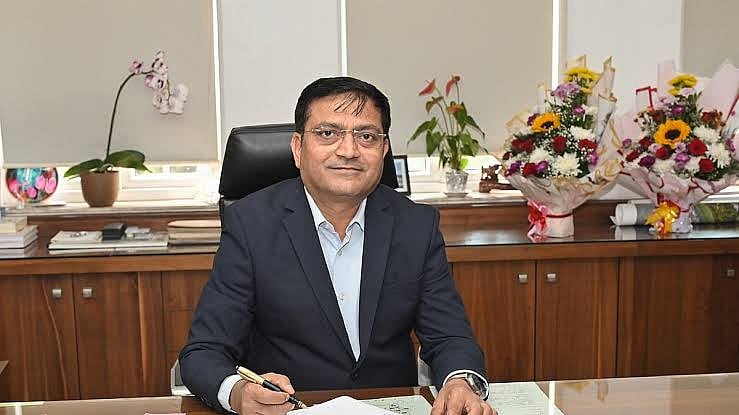
FPJ Eco-Ganesha: BMC Pushes Green Ganeshotsav As 98% Idol Immersions Shifted To Artificial Lakes In Mumbai |
Mumbai: "There is a positive surge in eco-friendly festival celebrations and awareness common citizens are now more aware and know about enviornment conservation," said Additional Municipal Commissioner of BMC Avinash Dhakane. On the occasion of Ganeshotsav, Dhakane spoke with the Free Press Journal on steps by the BMC to promote eco-friendly Ganpati festival, scientific disposal of immersed idols and etc.
Excerpts from the interview.
The Bombay High Court (HC) came down heavily on authorities on banning use of PoP and Ganpati idols immersion in natural water bodies, and compliance of Centre Pollution Control Board (CPCB) guidelines. What steps the BMC have taken to promote the environment-friendly Ganpati festival celebration in Mumbai?
The HC's last year's directions in regards to use of PoP idols and immersions of all clay and PoP idols have been implemented for this Ganeshotsav, as we wait for the final judgment. The CPCB guidelines came in 2020, however, the implementation began after a Public Interest Litigation (PIL) of 2023. Accordingly, last year artificial lakes were installed across the state for Ganpati idols immersion. If we look at Mumbai, as much as 98% of idols immersion was into artificial lakes, since maximum idols are below 6 feet height and only idols (clay and PoP) which were above 6 feet were immersed in natural water bodies. To ensure HC directions are followed, we retrieve the remains of the immersed idols are transport to a dedicated site.
We observe that, citizens themselves prefer artificial ponds nearby their homes for idols visarjan.
Since all idols below 6 feet height will have to be mandatorily immersed in Artificial Ponds, at how many locations will the Artificial ponds be installed this year? Has the locations and ponds increased this year compared to last year?
Last year, we had artificial lakes installed at 298 locations, which are increased to 383. This added locations have been identified considering artificial ponds should be available within 1.5 kms periphery and areas which saw more response for eco-friendly Ganpati visarjan and got overcrowded. At some locations, number of ponds are added to cater the increasing response.
How many natural immersion sites are in Mumbai and what measures are taken on visarjan days to ensure smooth immersions of idols, and safety and security of devotees, since the locations get overcrowded?
Mumbai has 67 natural immersion sites- which includes sea fronts, rivers, lakes. At all these sites, the BMC is responsible to ensure all idols brought to the sites safely from acess roads, taken onto trolleys and transported towards water bodies. The immersion is done by the volunteers, NGO representatives and staff present deployed on ground. We install artificial ponds at all natural immersion sites in case small idols are brought there. The sites has deployment of lifeguards to ensure devotees safety. Nirmalya kaslash are installed for collection of garlands and other puja items. To maintain hygiene, public toilets are installed. Compared to previous years, the safety, security, hygiene, sanitation, segregation of nirmalya alongwith immersions at natural immersion sites- which sees massive crowd- are well managed at visarjan days. The sites are immediately cleaned next days. Apart from civic staff, the NGOs, volunteers play crucial role.
How much clay and natural colours have been distributed to artisans to make eco-friendly idols? Is there an increase in demand than in previous years?
To ensure sculptors do not face raw material shortages, our target was to distribute 1000 metric tonnes of clay. Until September 13, we distributed more than 940 metric tonnes and 25,400 litres of natural colours free of cost to artisans. However, many artisans purchase clay and colours themselves. However, many artisans are located outside BMC jurisdiction and they sculpt and bring idols to Mumbai. They procure materials in their region. Overall, there is surge in demand and preference for eco-friendly idols.
Last year's around 2400 MT of retrieved idol remains continue to be stored at Mulund (former dumping ground plot). Where will the retrieved remains of idols be stored this year? How will be the remains scientifically disposed?
We experimented a recycling procedure last year, however, it proved expensive. It is practically different and non-feasible for us to scientifically process. Thus, this year as well, we will transport the immersed idols remains to the designated site and let it dry. Meanwhile, we are in talks with a private company in Wada, which has shown interest in recycling. If talks success, we will transport the materials, including last year's 2400 metric tonnes, to their site for recycling, and the idols remains will be disposed in scientific manner and there will be no harm to their environment.
How many sarvajanik Ganpati mandals have got permissions this year? How successful is BMC's online single window system for NOC?
Across the BMC's 26 civic ward divisions, permissions have been granted to around 2,700 sarvajanik ganeshotsav mandals. The online single-window clearance system is not only a success but saves a lot of time of mandals. Simplified documentation have made the entire approval procedure swift and seamless. Also, the mandals do not have to follow-up with any authority seperately. If any permissions are pending, the BMC follows up with the Police.
ALSO READ
Are there any restrictions on use of DJs during Ganpati festival in Mumbai? What actions are taken against violators?
The BMC does not control the use of DJs and loudspeakers, the Police does. But as per police information, DJs are not used played in Mumbai. The use of DJs is seen in other sites. For noise pollution control, the monitoring is done Maharashtra Pollution Control Board (MPCB) and cases are taken registered against the violators with the police and appropriate actions are taken.
What message would you give to Mumbaikars? How turning towards environment-friendly celebrations is vital?
People are now aware about enviornment conservation and knows it's importance. Seeing the natural disasters happening within and outside the country, the awareness among common citizens is increasing. In local scenarios, people now want the natural water bodies like lakes, rivers and sea clean. Devotees are themselves preferring clay idols, natural colours, immersion in artificial lakes, segregation of nirmalyas etc. Even if the clay idols are expensive, they are ready to spend. There is a overall positive surge in environment-friendly festival celebrations. There is a change in society and mindsets of people towards environment. Apart from the government, other players like the NGOs and media promote eco-friendly celebrations. At this pace, we can expect more environmental friendly Ganeshotsav this year and years ahead.
To get details on exclusive and budget-friendly property deals in Mumbai & surrounding regions, do visit: https://budgetproperties.in/
RECENT STORIES
-
-
-
-
-