Bharat AI: A Vision For Sustainable Growth And Public Welfare
For India, the path forward can be one that ensures the benefits of AI are not concentrated among a few but are shared across the social fabric. By treating "Bharat AI" as a public utility—much like our world-leading Digital Public Infrastructure (DPI)—we can ensure that technology serves as a pillar for national resilience rather than just an engine for private wealth.

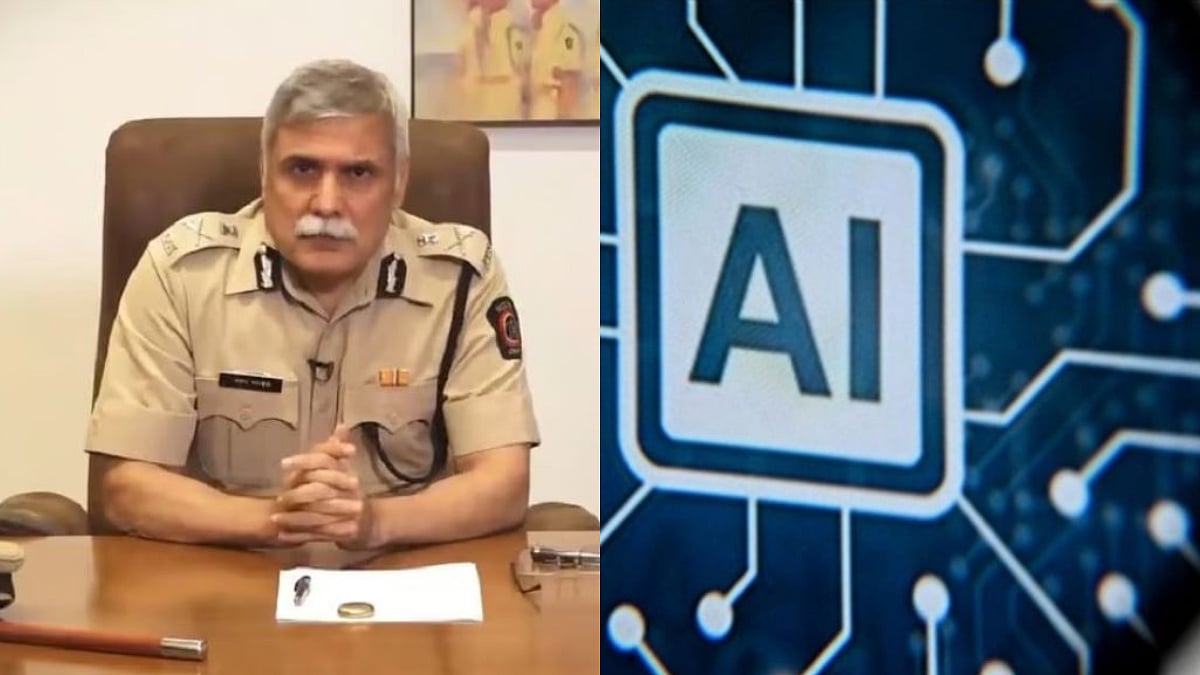
Bharat AI: A Vision For Sustainable Growth And Public Welfare |
The recent "SaaSpocalypse"—a market shift that saw nearly ₹2 lakh crore in Indian IT valuation impacted by new AI automation tools—is a significant moment for reflection. As India moves to the front lines of the global AI race through the IndiaAI Mission, we have a unique opportunity to define a model of "Bharat AI" that harmonizes rapid innovation with our foundational commitment to a welfare state. While tech visionaries like Elon Musk suggest that AI may eventually lead to a "Universal High Income," where the need for traditional work disappears, this transition carries a different weight for a nation of 1.4 billion.
For India, the path forward can be one that ensures the benefits of AI are not concentrated among a few but are shared across the social fabric. By treating "Bharat AI" as a public utility—much like our world-leading Digital Public Infrastructure (DPI)—we can ensure that technology serves as a pillar for national resilience rather than just an engine for private wealth.
To be truly sustainable, Bharat AI must find its greatest application in the heart of the Indian economy: the rural agricultural sector. While predictive AI tools already exist in pockets of Indian agriculture, they often operate as isolated islands of innovation. For our 1.4 billion people, AI cannot remain a luxury for the few. The sustainable "Bharat AI" model must transition from fragmented private tools to a unified National Predictive Shield. By controlling the underlying data architecture, the state can ensure these tools are deployed as a form of "Care"—providing every small-holder farmer with a sovereign, multilingual advisor that protects their crops from pests and their families from debt. This is how we can use our AI initiative to empower every Indian to participate in our national progress.
This balanced approach can also extend to our environmental goals. It is well documented that large-scale AI is resource-intensive; a single 100-megawatt data center can consume as much water daily as 6,500 households. In India, aligning our digital ambitions with our climate goals presents a leadership opportunity. By encouraging the use of renewable energy and advanced water-recycling technologies, we can protect our local ecosystems and the Air Quality Index (AQI). In this vision, Bharat AI becomes a catalyst for a cleaner environment, proving that high-tech growth and ecological health can go hand in hand.
Also Watch:
Our Constitution envisions an economy where resources subserve the common good. Instead of the disruptive labor models seen elsewhere, Bharat AI can be designed as a "National Co-pilot." Policy frameworks that encourage AI to augment our diverse workforce will support long-term stability. The IndiaAI Impact Summit is the perfect stage to showcase this vision. By prioritizing a welfare-first approach, India can lead a global shift toward AI that is not only powerful but also sustainable, equitable, and firmly anchored in the public interest.
(Sanjay Pandey is a former Commissioner of Police, Mumbai, and DGP, Maharashtra, an IIT Kanpur engineer and Harvard Kennedy School alumnus.)
RECENT STORIES
-
-
-
-
-