Why This Lord Shiva Temple Has No Nandi? Everything To Know About Ardhnarishwar Temple In Himachal Pradesh's Mandi
The temple is believed to have been built during the reign of Raja Ajbar Sen in the 16th century. Its architecture reflects the rich cultural and artistic heritage of the Himalayan region, featuring intricate stone carvings and detailed craftsmanship. The shrine is dedicated to Lord Shiva and Goddess Parvati in their half-male, half-female composite form.

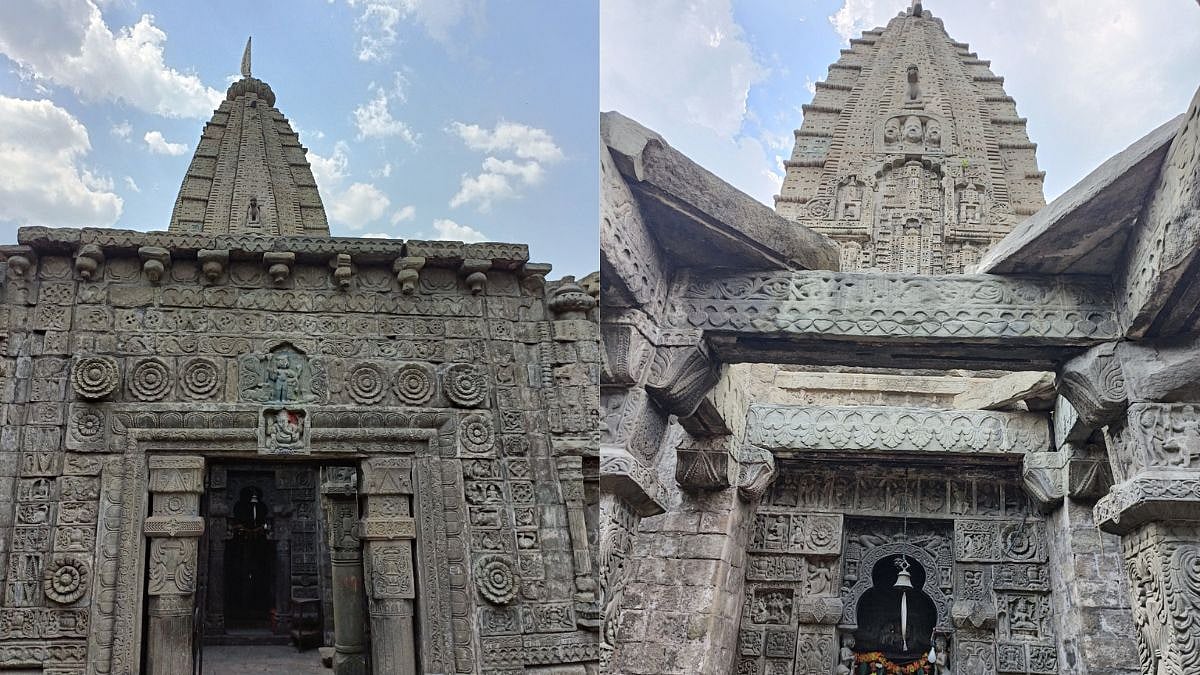
Ardhnarishwar Temple In Himachal Pradesh's Mandi |
Nestled in the historic town of Mandi in Himachal Pradesh, the Ardhnarishwar Temple is one of the region's most unique and spiritually significant shrines. Dedicated to Ardhnarishwar, a composite form of Lord Shiva and Goddess Parvati, the temple stands out for a remarkable reason: it does not have a statue of Nandi, the sacred bull who is traditionally found facing Shiva temples across India. The ancient 16th-century shrine is dedicated not only to Lord Shiva but also to Goddess Parvati.
About Ardhnarishwar Temple
The temple is believed to have been built during the reign of Raja Ajbar Sen in the 16th century. Its architecture reflects the rich cultural and artistic heritage of the Himalayan region, featuring intricate stone carvings and detailed craftsmanship. The shrine is dedicated to Lord Shiva and Goddess Parvati in their half-male, half-female composite form. The term Ardhnarishwar means "the Lord who is half woman." In this form, the deity is depicted as half Shiva and half Parvati; it symbolises the inseparable union of masculine and feminine energies in the universe. The concept represents balance, harmony, and the interconnected nature of creation.
Absence of Nandi in Ardhnarishwar Temple
One of the most distinctive features of the temple is the absence of Nandi. According to local beliefs and traditions, since the deity embodies both Shiva and Shakti in a single form, the conventional placement of Nandi is considered unnecessary. This makes the temple a rare example among Shiva shrines in India.
According to Hindu mythology, the Pandavas from the Mahabharata had to build Lord Shiva's 81 temples in just one night. However, during the construction of the 81st temple, time passed, and night turned into morning, leaving the final temple incomplete. This temple is believed to be the unfinished shrine, where Lord Shiva is worshipped in his Ardhnarishwar form with Goddess Parvati.
ALSO READ
The temple has no roof, and locals believe that the masculine form of the temple merges with the feminine energy of the sky. The temple symbolically raises the question of whether one possesses a balance of masculine and feminine energies.
The temple attracts devotees, pilgrims, and history enthusiasts throughout the year. It also forms an important part of Mandi's cultural identity. Often referred to as the Varanasi of the Hills, Mandi is known for its numerous ancient temples and spiritual heritage.
RECENT STORIES
-
-
-
-
-