Pitru Paksha 2026: What Is Pind Daan? Know Rituals, Significance And More
Pind Daan is one of the most important rituals of Pitru Paksha. Traditionally made from cooked rice, sesame seeds, barley and other ingredients, pindas are offered to deceased ancestors. The ritual is believed to help provide peace to departed souls and support their journey in the afterlife.

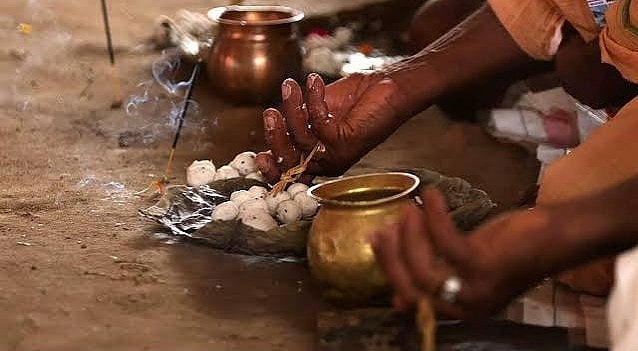
Pitru Paksha 2026: Pind Daan | Representative image
Pitru Paksha is a 16-lunar-day Hindu period which is dedicated to honouring departed ancestors. During these days, families perform various rituals to seek blessings for their ancestors and express gratitude for their forefathers. One of the most important rituals performed during this period is Pind Daan. The term Pitru means ancestors and Paksha is the time of fortnight, which means ancestors’ fortnight. The particular time serves as a reminder to pay homage to the departed souls of past generations. It is basically a ritual to clear debts owed to past generations.
What is Pind Daan?
Pind Daan is one of the most important rituals of Pitru Paksha. Traditionally made from cooked rice, sesame seeds, barley and other ingredients, pindas are offered to deceased ancestors. The ritual is believed to help provide peace to departed souls and support their journey in the afterlife.
The ceremony is generally performed by family members, particularly the eldest son or another close male relative, although practices can vary across families and regions.
Pind Daan rituals
During Pind Daan, devotees should take a holy bath before performing the ceremony. In this ritual, rice balls (pindas) made with cooked rice, barley flour, sesame seeds, and ghee are offered to the ancestors. The pinda symbolises the physical body of the departed, and offering it helps liberate their souls from worldly ties. It is believed that performing Pind Daan ensures moksha (liberation) for the ancestors and brings prosperity and peace to the family.
The offerings may be made on the banks of sacred rivers, at temples or at designated pilgrimage sites. Gaya in Bihar, especially the Vishnupad Temple and the banks of the Phalgu River, is among the most prominent destinations for performing Pind Daan.
ALSO READ
Significance of Pind Daan
According to Hindu beliefs, performing Pind Daan during Pitru Paksha helps honour ancestors and is associated with seeking their blessings and peace for their souls. It is also considered an important way for descendants to fulfill their duties towards their forefathers.
RECENT STORIES
-
-
-
-
-