Mundkatiya Temple: The Only Shrine Where Lord Ganesh’s Headless Idol Is Worshipped
The Mundkatiya Temple is located in the Rudraprayag district of Uttarakhand, attracts visitors from far and wide to view the headless Ganesha. This temple is located very close to the Triyugi Narayan Temple. The name comes from "Mund" (head) and "Katiya" (severed).

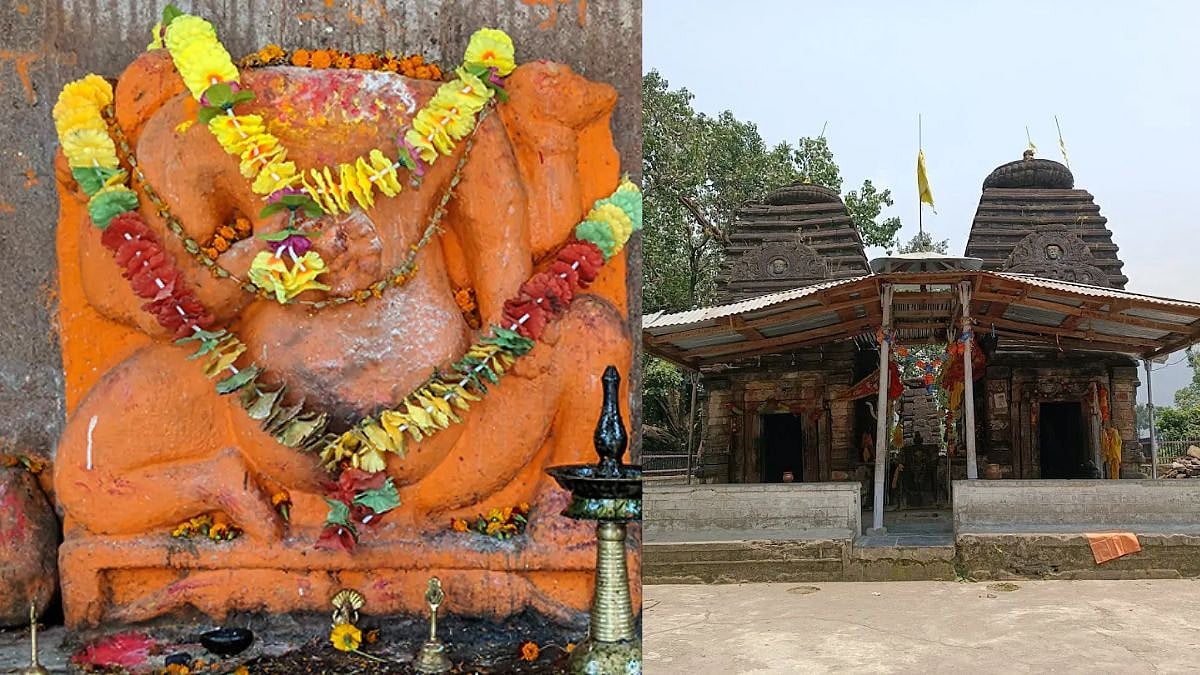
Mundkatiya Temple: The Only Shrine Where Lord Ganesh’s Headless Idol Is Worshipped |
Devotees across the country are celebrating Ganesh Chaturthi, which celebrates the birth of Lord Ganesha in the month of Bhadrapada. The festival, which began on Monday, September 14, this year, is being celebrated for 12 days. During the Ganesh festival, people visit various temples to worship Lord Ganesha. There are many famous Ganesha temples across the country, each with interesting stories. You may have heard of many temples that hold mysteries within themselves. But did you know about Mudkatiya Temple, where Lord Ganesha is worshipped in his headless form?
Mundkatiya Temple, located in Uttarakhand’s Rudraprayag district, is a unique shrine associated with one of the most well-known stories from Hindu mythology. Unlike conventional Ganesh temples, the shrine is believed to house a headless idol of Lord Ganesha, making it a distinctive place of worship for devotees.
About Mudkatiya Temple
The Mundkatiya Temple is located in the Rudraprayag district of Uttarakhand, attracts visitors from far and wide to view the headless Ganesha. This temple is located very close to the Triyugi Narayan Temple. The name comes from "Mund" (head) and "Katiya" (severed). The small shrine sits in the Kedar Valley in Uttarakhand, about 3 kilometers from Sonprayag on the route to Gaurikund. Mudkatiya Temple overlooks the Mandakini River and lush green hills, though it remains relatively secluded and less visited today.
Legends of Mudkatiya Temple
Lord Ganesha wasn't always the 'Elephant God.' According to Hindu mythology, Goddess Parvati had conceived the very idea of Him. She was afflicted with thoughts of loneliness because Lord Shiva had been away. She crafted the idol, pouring all her affection into the idol. Breathing life into it, she christened him her son. She asked Lord Ganesha to guard her while she was bathing and instructed him not to allow anyone to enter. When Lord Shiva arrived and Ganesha stopped him, Shiva became furious and severed Ganesha’s head.
After learning what had happened, Parvati was devastated and asked Shiva to restore her son’s life. Shiva then promised to replace Ganesha’s head with that of the first living creature found facing north. The head of an elephant was eventually brought, and Ganesha was revived.
ALSO READ
Temple tells the tale
The Mundkatiya Temple is believed to mark the place where the original headless form of Ganesha remained after Shiva severed his head. The temple’s name is associated with this belief, with “Mund” referring to the head.
The shrine is situated amid the scenic Himalayan landscape and attracts devotees travelling through the region. Its unusual idol and connection with the popular mythology surrounding Ganesha have made it a point of interest for both pilgrims and visitors.
RECENT STORIES
-
-
-
-
-