Mumbai's AQI Reaches 181, Raising Respiratory Health Risks: Essential Precautions To Stay Safe Outdoors
An AQI of 181 falls under the 'Unhealthy' category according to India's Central Pollution Control Board (CPCB) scale, which classifies AQI values between 101 and 200 as moderate. However, under the US AQI scale, the same reading falls in the 'Unhealthy' category. The potential health effects depend on the pollutant concentration, duration of exposure and an individual's existing health conditions.

Mumbai's AQI Reaches 166, Raising Respiratory Health Risks |
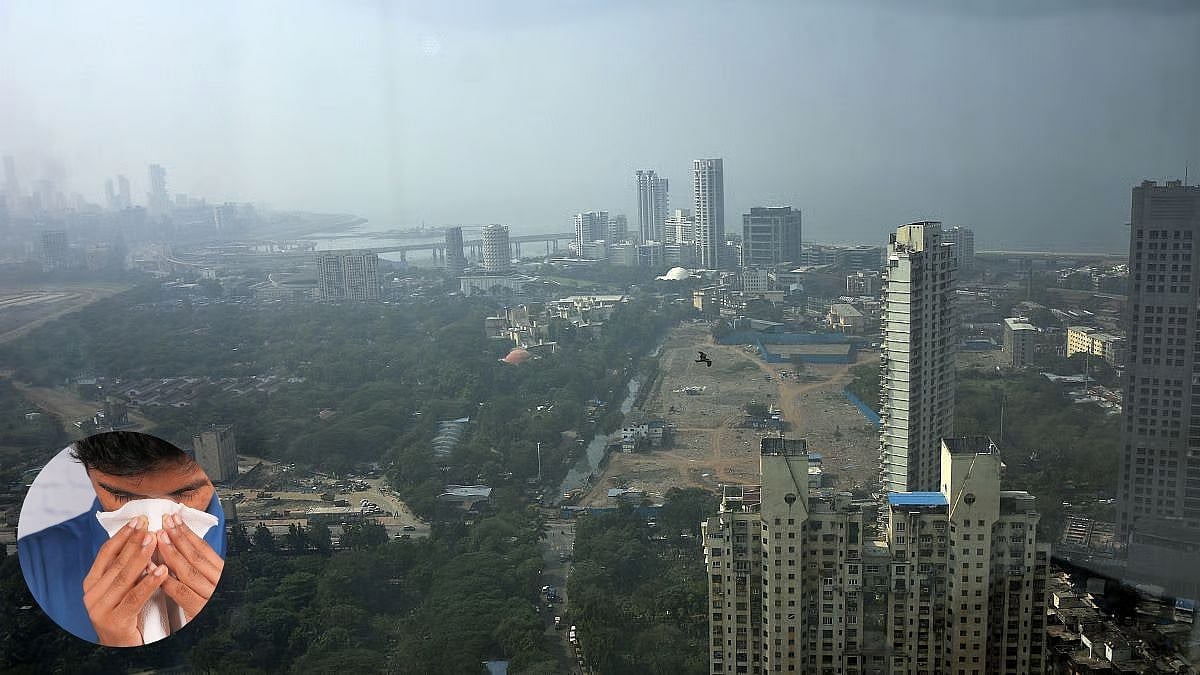
Mumbai's air quality has become a cause for concern as the Air Quality Index has been worsening in the city day by day. On Friday, October 16, 2026, the AQI reached 181, indicating an unhealthy level of pollution for sensitive groups. Exposure to polluted air can affect respiratory health, particularly among children, older adults and people with asthma, lung diseases or heart conditions. Taking precautions while stepping outdoors can help reduce exposure to harmful pollutants.
Understanding Mumbai's AQI levels
An AQI of 181 falls under the 'Unhealthy' category according to India's Central Pollution Control Board (CPCB) scale, which classifies AQI values between 101 and 200 as moderate. However, under the US AQI scale, the same reading falls in the 'Unhealthy' category. The potential health effects depend on the pollutant concentration, duration of exposure and an individual's existing health conditions.
Mumbai AQI worsens
Mumbai has ranked as the fifth most polluted city in the world. The city recorded an Air Quality Index (AQI) of 152 on Thursday; meanwhile, on Friday, October 16, 2026, it recorded 181. In terms of temperature, the city has recorded the hottest days in at least a decade, with maximum temperatures hovering 4–5 degrees Celsius above normal on several days. Mumbai is experiencing hot days in October due to the effect of El Niño.
How can poor air quality affect your health?
Air pollution contains particulate matter, including PM2.5 and PM10, which can enter the respiratory system and cause irritation. Short-term exposure may lead to coughing, throat irritation, wheezing, breathlessness and discomfort in the chest. People with pre-existing respiratory conditions may experience worsening symptoms.
Prolonged exposure to polluted air can also increase the risk of respiratory and cardiovascular diseases. Therefore, monitoring local air quality and limiting unnecessary exposure is important.
ALSO READ
Essential precautions to stay safe outdoors
Monitor local air quality updates, particularly before planning outdoor activities, exercise or long commutes.
Wear a properly fitted N95 respirator; it can help reduce exposure to airborne particles. Cloth masks and ordinary surgical masks offer limited protection against fine particulate matter.
Avoid long-time exposure in outdoor activities. Consider postponing running, cycling and intense workouts when pollution levels are elevated.
Children, senior citizens and people with asthma or heart and lung conditions should take extra precautions and avoid spending prolonged periods outdoors.
RECENT STORIES
-
-
-
-
-