Makar Sankranti 2026: Why Do People Wear Black On This Day? Cultural Significance Or Myth, Know Here:
Makar Sankranti, celebrated annually in mid-January, marks a significant astronomical and seasonal transition. While the festival is observed across India with vibrant colours and regional customs, Maharashtra stands out for a unique tradition of wearing black on Makar Sankranti.

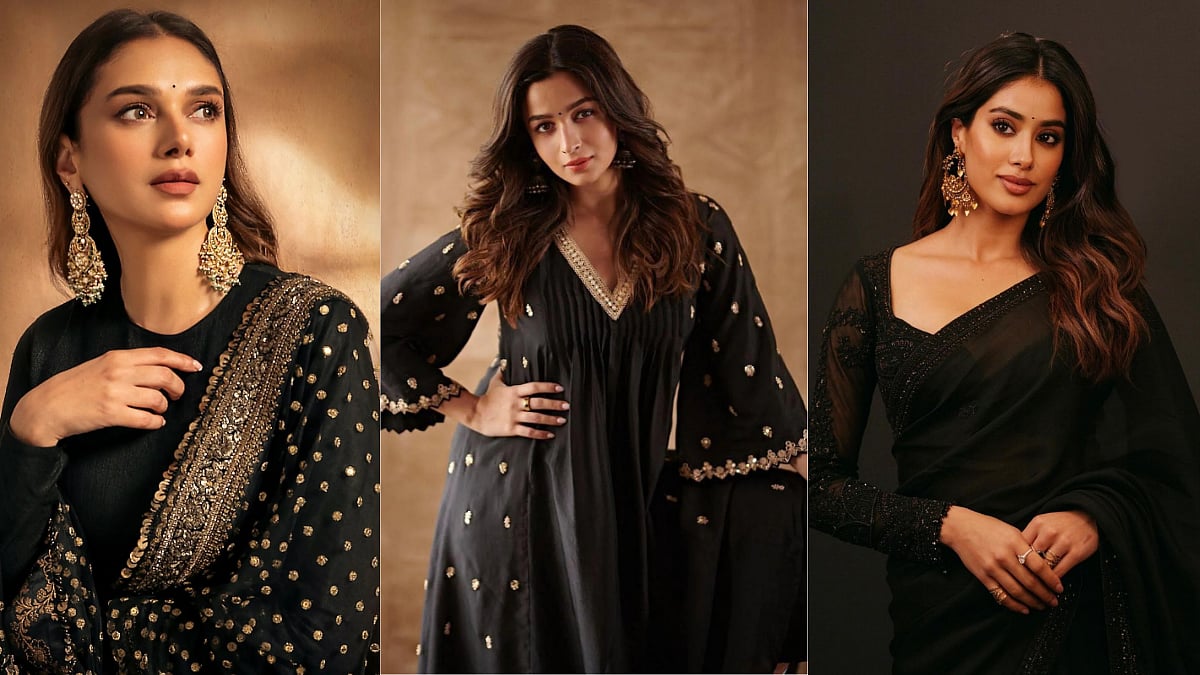
Makar Sankranti 2026: Why Do People Wear Black On This Day? Cultural Significance Or Myth, Know Here: |
Makar Sankranti, celebrated annually in mid-January, marks a significant astronomical and seasonal transition. It is the day when the Sun begins its northward journey (Uttarayan), signalling the gradual end of winter and the onset of longer, warmer days. While the festival is observed across India with vibrant colours and regional customs, Maharashtra stands out for a unique tradition of wearing black on Makar Sankranti.
Why Is Black Worn On Makar Sankranti?
Keeping winter in mind
Makar Sankranti falls during the coldest phase of the winter season. Black is known to absorb and retain heat, making it a practical choice to stay warm. Traditionally, people believed that wearing black helped protect the body from the harsh winter chill, especially during early morning rituals and outdoor celebrations.
An Auspicious Exception
In many Indian traditions, black is often associated with negativity or is considered inauspicious. However, Makar Sankranti is an exception. The festival celebrates positivity, new beginnings, and the Sun’s entry into the Capricorn zodiac (Makara). On this day, black symbolises warmth, strength, and protection rather than negativity.
ALSO READ
Cultural Identity In Maharashtra
The tradition of wearing black is widely observed in Maharashtra and is not as common in other parts of India. Women often wear elegant black sarees adorned with gold borders or intricate embellishments, blending cultural grace with festive style. Men, too, may incorporate black into their traditional attire.
Haldi-Kumkum Celebrations
During Haldi-Kumkum ceremonies, women dressed in black sarees gather to exchange sweets like tilgul (made of sesame seeds and jaggery). The ritual symbolises sweetness in relationships, unity, and warmth.
Tradition Or Myth?
Wearing black on Makar Sankranti is a beautiful blend of science, climate awareness, and cultural symbolism rather than a myth. Rooted in practicality and regional tradition, it remains a cherished custom in Maharashtrian households, adding a unique charm to the harvest festival.
RECENT STORIES
-
-
-
-
-