Durvashtami 2026: Significance Of Durva Grass, Vrat & How To Offer It To Lord Ganesha
Durvashtami, also known as Durva Ashtami, is a unique Hindu festival dedicated to the worship of sacred Durva grass and Lord Ganesha. Observed on the eighth day of Shukla Paksha in the Hindu month of Bhadrapada, the festival celebrates the religious significance of Durva, commonly known as Doob grass. This year, Durvashtami will be observed on Saturday, September 19, 2026.

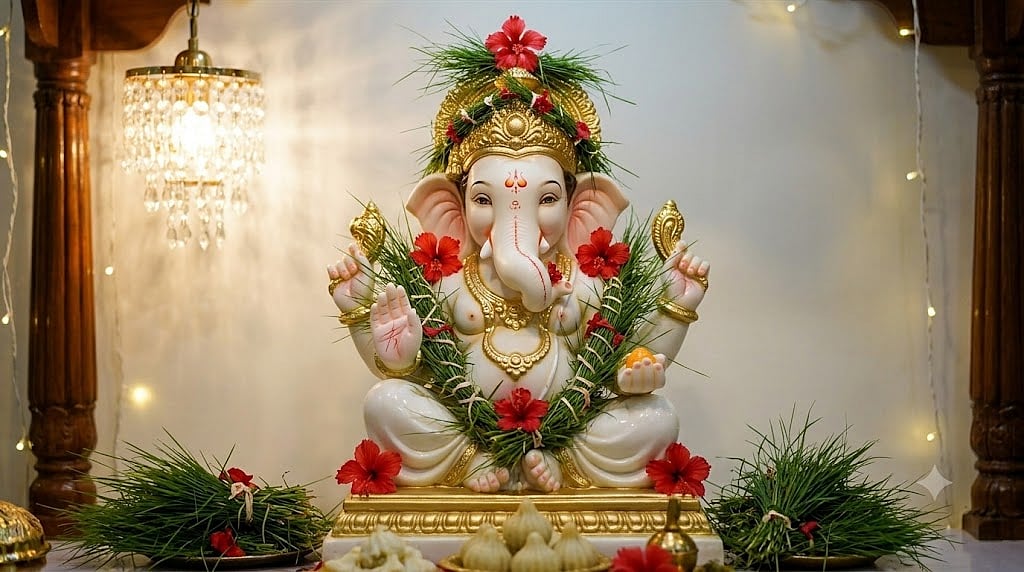
Durvashtami 2026: Significance Of Durva Grass, Vrat & How To Offer It To Lord Ganesha |
Durvashtami, also known as Durva Ashtami, is a unique Hindu festival dedicated to the worship of sacred Durva grass and Lord Ganesha. Observed on the eighth day of Shukla Paksha in the Hindu month of Bhadrapada, the festival celebrates the religious significance of Durva, commonly known as Doob grass. This year, Durvashtami will be observed on Saturday, September 19, 2026.
The festival is celebrated with particular devotion in eastern parts of India and West Bengal, where it is observed as Durvashtami Brata. Women traditionally observe a fast on this day and offer prayers for the health, longevity and prosperity of their children, along with peace and happiness in married life.
Why Is Durva Grass Important To Lord Ganesha?
Durva grass holds a special place in Hindu rituals and is considered one of the most sacred offerings for Lord Ganesha. According to a popular belief associated with the Samudra Manthan, drops of divine Amrit fell on Durva grass during the churning of the cosmic ocean. The sacred nectar is believed to have given the grass its association with immortality, auspiciousness and divine energy.
Since then, Durva has been considered an important offering in religious rituals, particularly those dedicated to Lord Ganesha.
How To Offer Durva Grass To Lord Ganesha?
Devotees should begin by selecting fresh, tender and clean Durva grass. Wash it gently with clean water before offering it to Bappa.
Traditionally, Durva is offered in small bundles. Odd-numbered combinations such as 3, 5 or 7 blades are commonly used, while 21 blades are particularly associated with offerings to Lord Ganesha.
Arrange the grass neatly and offer it to the idol, traditionally placing it near Bappa's feet or on the right side around the broken tusk, depending on the ritual tradition followed by the family.
While making the offering, devotees can chant “Om Gan Ganapataye Namah” or other Ganesha mantras with devotion. The offering is less about elaborate ritual and more about cleanliness, sincerity and faith.
On Durvashtami, devotees can wake up early, take a bath, clean the place of worship and offer fresh Durva grass to Lord Ganesha while praying for the well-being and prosperity of their loved ones.
RECENT STORIES
-
-
-
-
-