Dermatologist Says One Skincare Routine Is Not Enough! More About About The Viral 'Skin-Zoning' Trend
Dr Anindita Sarkar is highlighting why a single skincare routine may no longer be effective, as the viral “skin zoning” trend gains popularity. The approach focuses on treating different areas of the face based on their unique needs. The expert says this targeted method can improve results, especially for those dealing with multiple concerns like oiliness, dryness, and acne at once.

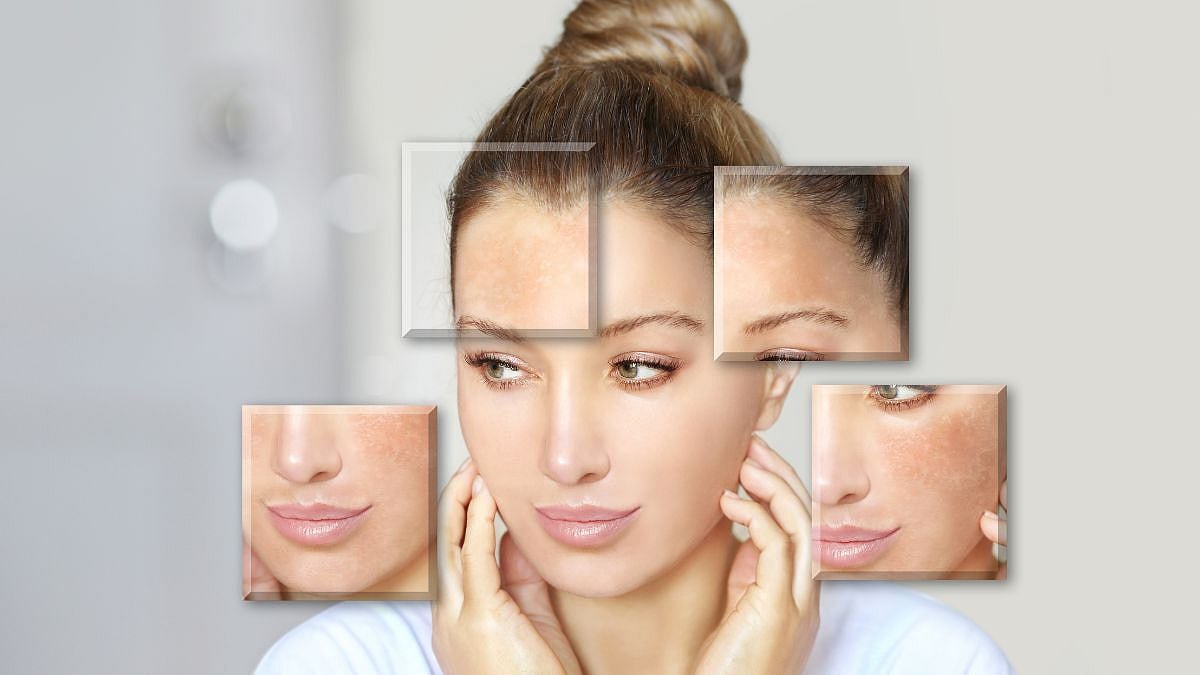
For years, most of us have followed the same skincare playbook: one cleanser, one serum, one moisturiser for the entire face. Simple, right? But here’s the catch: your skin doesn’t actually work that way. Your T-zone, cheeks, and jawline all behave differently, which is exactly why one routine often falls short. Enter "skin zoning", the smarter, more targeted approach that’s taking over skincare right now.
What exactly is 'skin zoning'?
Skin zoning refers to treating different areas of the face based on their specific characteristics rather than applying the same products universally. To make it simpler, your T-Zone is more likely to be oily and have breakouts, but your cheeks could be dry, sensitive, or have a compromised barrier. And perhaps the skin around your eyes behaves a lot differently than the skin around your jawline. Even the area of the forehead also has different ageing characteristics than the neck area.
ALSO READ
Instead of forcing one product to do multiple jobs, often inadequately, skin zoning allows for precision. Dr Anindita Sarkar, dermatologist and chief medical officer at Clinikally, adds, "Skin zoning recognises that skin is ever-changing, affected by a myriad of factors such as genetics, hormones, lifestyle, climate, and age, and that its needs vary not only from person to person but also from zone to zone on the same face."
Why it matters today
Modern lifestyles have made skin concerns more complex than ever. Dr Sarkar explains, "Increased screen exposure, pollution, stress, erratic sleep patterns and the misuse of strong actives have accelerated skin concerns, where individuals are experiencing oiliness and dehydration, acne and sensitivity, and pigmentation and inflammation all at once."
She explains that a blanket approach often carries the risk of worsening certain concerns such as over-drying acne-prone areas or overwhelming sensitive zones with intolerable actives. Zoning, on the other hand, helps restore balance by offering customised care without overcorrection.
How to build a skin-zoning routine
According to Dr Sarkar, an effective skin-zoning routine requires observation, intention and restraint. Following are steps as per the expert to build a robust skin zoning routine:
Chart your skin
Classify your skin into oily, dry, sensitive, acne-prone or pigmented areas. The map could be altered according to weather, stress levels or hormonal changes.
Targeted treatments
Use active ingredients only where they are needed. Exfoliating acids may be suitable for congested zones, while calming formulations support sensitive areas and hydrating serums address persistent dryness.
Honour the skin barrier
Zoning does not mean using more products but applying the right ones. The application of harsh actives in several zones can lead to the opposite of what is intended, i.e. poor barrier health and loss of any improvements made.
Do regular reassessments
Skin zoning is an active process and needs to be assessed regularly. Frequent dermatologist check-ins will make sure that the routine adapts to your needs.
How this trend is redefining skincare
The skin zoning trend is ushering in a new era of personalised skincare, fundamentally changing how people approach their routines. Unlike one-size-fits-all solutions, skin zoning encourages individuals to recognise that different areas of the face have unique needs and to treat them accordingly.
As Dr Sarkar explains, "Skin zoning reflects a broader shift in skincare towards purposeful, evidence-based personalisation. It aligns closely with the rise of dermatology-backed routines, AI-driven skin analysis and microbiome-focused care." This approach moves beyond simply reacting to skin concerns; it empowers people to truly understand and respond to their skin's specific signals.
ALSO READ
By "listening to the skin’s messages from each zone and responding with accuracy," Dr Sarkar notes, skincare becomes both more effective and more respectful of one's unique skin type.
Disclaimer: This article is for informational purposes only and should not be considered a substitute for professional medical advice. Always consult your doctor for any concerns or questions regarding your health or skin conditions.
RECENT STORIES
-
-
-
-
-