Chandra Grahan 2026: Total Lunar Eclipse To Be Visible In India On March 3; Check When Total Eclipse Begins
The first total lunar eclipse of 2026 will be visible in India on March 3. According to Time and Date, key phases begin at 4:58 pm IST, with totality ending at 5:32 pm. Most regions will see the eclipse at moonrise, while parts of Northeast India may get a clearer view between 5:10 pm and 5:25 pm.

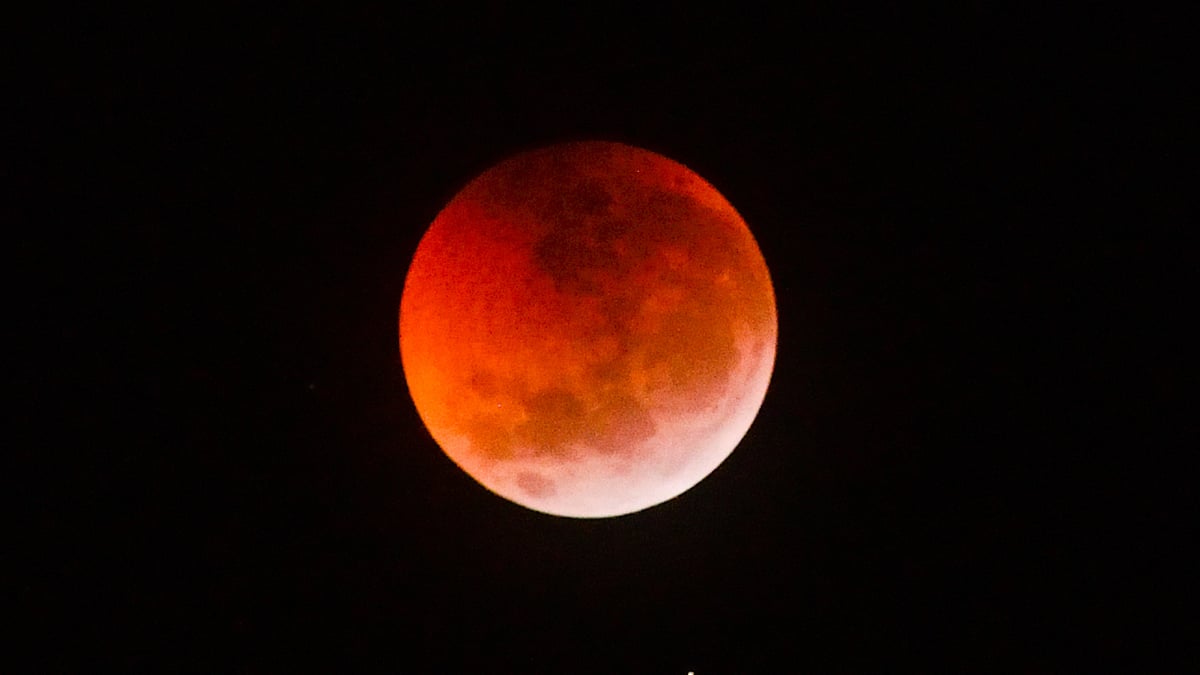
Skywatchers, mark your calendars. March is bringing with it a spectacular celestial event, as the first total lunar eclipse of 2026, popularly known as Chandra Grahan, will be visible across large parts of India on March 3. If weather conditions cooperate, this could be one of the most dramatic evening sky displays of the year.
What is a Lunar Eclipse?
A lunar eclipse occurs when the Earth moves directly between the Sun and the Moon, blocking sunlight and casting a shadow on the Moon’s surface. During a total eclipse, the Moon can take on a deep coppery-red glow, often referred to as a "Blood Moon" due to the way Earth’s atmosphere bends and filters sunlight.
Chandra Grahan 2026 in India: Date & timings
According to astronomical data shared by Time and Date, the eclipse phases in India are expected at the following times:
Penumbral phase begins: 4:58 pm
Total eclipse begins: 4:58 pm
Total eclipse ends: 5:32 pm
Penumbral phase ends: 7:53 pm
Where to watch in India
For much of India, the best time to step out will be around sunset. As the Moon appears on the eastern horizon, it may look dimmer than usual or display a faint reddish hue. In several cities, the visible duration could be limited to roughly 20 minutes.
Observers in parts of Northeast India are expected to get a better view of the total phase. Cities likely to experience a clearer and longer window include:
Dibrugarh, Assam
Dispur, Assam
Guwahati, Assam
Itanagar, Arunachal Pradesh
Shillong, Meghalaya
In these locations, the peak phase is expected between approximately 5:10 pm and 5:25 pm IST, depending on the exact spot.
ALSO READ
How to watch
The good news? Unlike a solar eclipse, a lunar eclipse is completely safe to watch with the naked eye. No special glasses or equipment are required. For a better experience, choose an open area with an unobstructed eastern view and minimal light pollution. Binoculars or a small telescope can enhance the details, but they aren’t necessary.
Want to take a break from the news? Play our games on game.freepressjournal.in
RECENT STORIES
-
-
-
-
-