Can Watermelons Turn Contaminated And Unsafe To Eat?
It can become contaminated and unsafe to eat if proper handling and hygiene practices are not followed. Although the thick outer rind of a watermelon offers some protection, it can still carry harmful bacteria from soil, water, or handling during harvesting, transportation, and storage. Common pathogens such as Salmonella, Escherichia coli, and Listeria may be present on the surface.

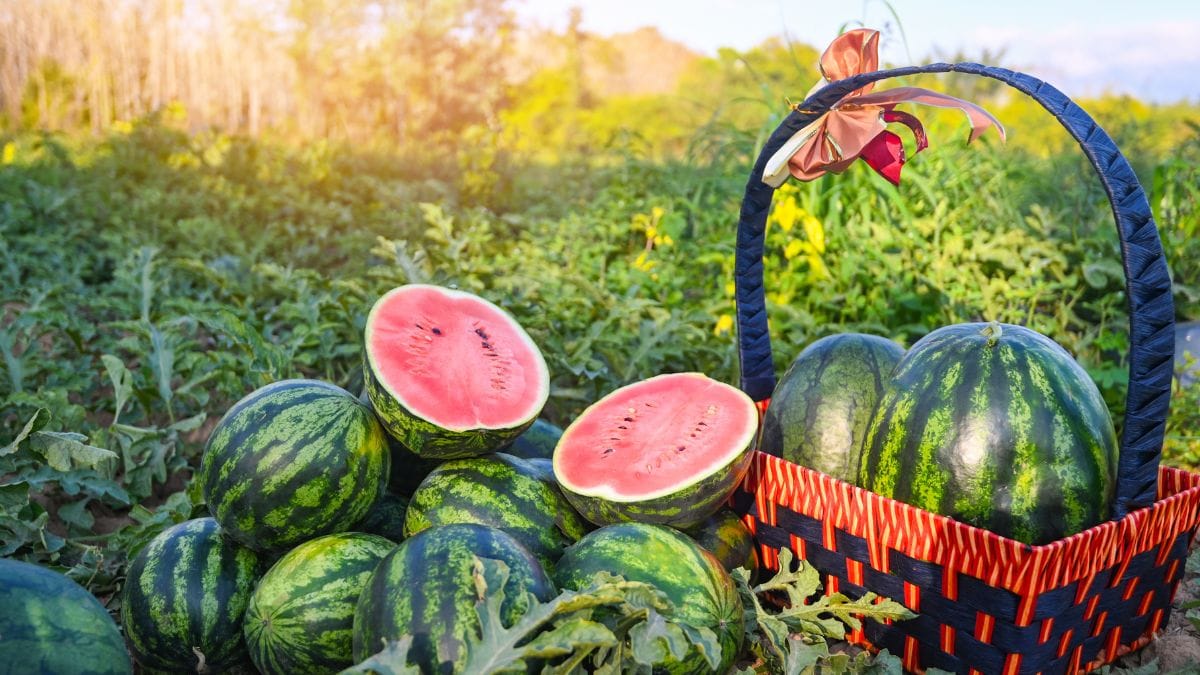
Watermelons | Photo Credit: Canva
The watermelon is a species of flowering plant in the family Cucurbitaceae that has a large, edible fruit. The beloved fruit, which is mostly consumed in summers, is widely cultivated worldwide, with more than 1,000 varieties. These fruits contain 92 per cent water that provides intense hydration, which helps regulate body temperature, reducing heat and discomfort. But a recent tragedy in Mumbai has led to a downfall in prices of watermelons, as it has created fear among people.
Can watermelon get contaminated?
It can become contaminated and unsafe to eat if proper handling and hygiene practices are not followed. Although the thick outer rind of a watermelon offers some protection, it can still carry harmful bacteria from soil, water, or handling during harvesting, transportation, and storage. Common pathogens such as Salmonella, Escherichia coli, and Listeria may be present on the surface.
Risk of contamination
The risk of contamination increases when the fruit is cut. If the rind is not washed properly before slicing, bacteria on the outer surface can transfer to the inner flesh through the knife. Since watermelon has high water content and natural sugars, it creates a favourable environment for bacteria to grow once exposed. Leaving cut watermelon at room temperature for extended periods can significantly increase this risk.
Infection can lead to dehydration or affect vital organs
When the fruit comes into contact with pathogens like Salmonella and others, and it is consumed, then it can lead to severe dehydration, systemic infection, or complications affecting organs in our body. Consuming contaminated watermelon may result in foodborne illnesses, causing symptoms like stomach cramps, diarrhoea, nausea, vomiting, and fever. Meanwhile, in extreme cases, or when the body's immune system is weak, without timely treatment it can turn fatal.
What was Mumbai watermelon case?
A tragic incident in Mumbai's Bhendi Bazar has created fear among people. The four-member family, including Abdulla Dodakia, his wife Nasreen, and their daughters Ayesha and Zainab, ate pieces of watermelon after a get-together on Saturday night. After that, all suffered severe bouts of vomiting and diarrhoea and, within hours, all the members of the family died during treatment.
Things to keep in mind before eating watermelon
No doubt that watermelons are beneficial for the body as they provide instant hydration and help to maintain body temperature, but while enjoying a watermelon, it is important to consider factors regarding food safety, ripeness, and safety regarding its consumption. It is very basic that you should wash fruits before consuming; if possible, then rinse them with baking soda. Avoid rusty knives and clean the knife before using it for cutting.
RECENT STORIES
-
-
-
-
-