Ayurveda Guide To Anjeer: 5 Traditional Remedies Using Figs For Everyday Wellness
Discover anjeer's traditional uses in Ayurveda, from supporting digestion to its role in home remedies, along with tips on soaking dried figs and incorporating them into daily meals.

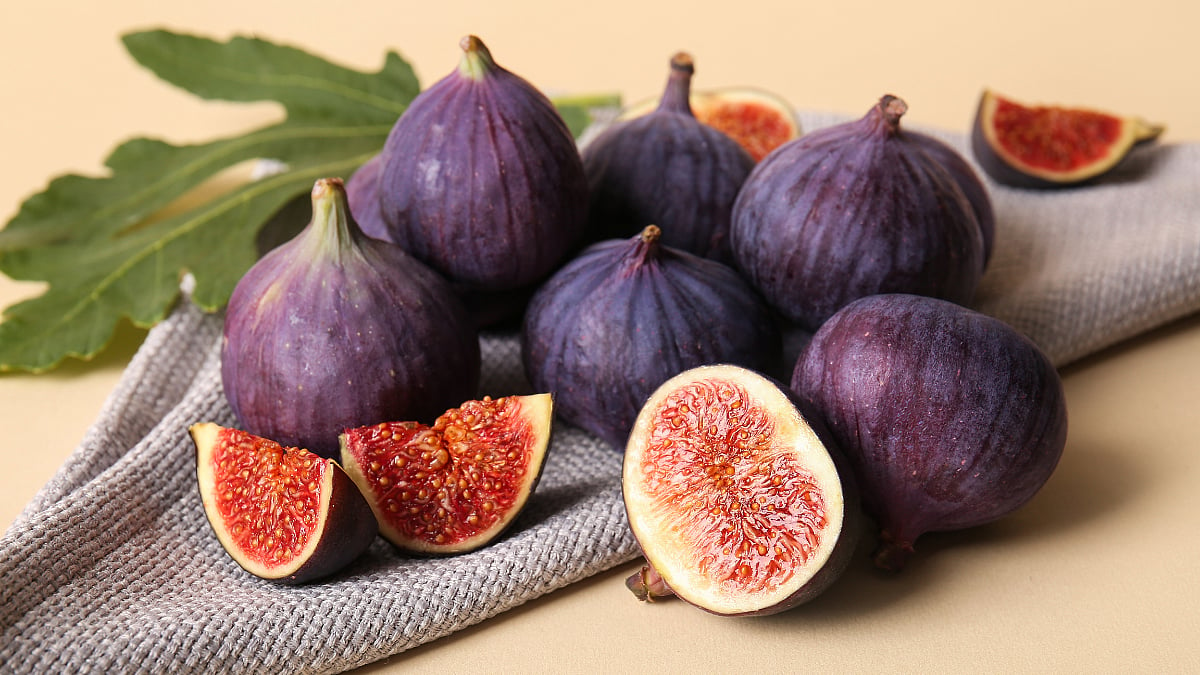
An essential fruit in Ayurveda is the fig, or anjeer, which can be consumed fresh or dried. It is used to address various health issues. Acharya Balkrishnaji, co-founder of Patanjali Ayurved, discusses its medicinal properties, Ayurvedic remedies for various health concerns, and relevant Patanjali products.
Medicinal Properties of Anjeer or Fig
Anjeer is rich in fibre, which supports digestion and acts as a natural laxative, helping improve gut health and relieve constipation. Its antioxidants and potassium also help manage blood pressure and support heart health. Figs contain natural sugars and, when eaten in small amounts, may help regulate metabolism and manage blood sugar levels. They also provide calcium, magnesium, and potassium, which support bone health and density. Additionally, figs have antifungal, antimicrobial, and anti-inflammatory properties.
Acharya Balkrishnaji explains, “Ayurveda considers the fruit to have a cooling effect. Based on experience, consuming dried figs directly without soaking causes a slightly ‘hot’ effect on the body. However, soaking dried figs for four to five hours makes them fresh; consuming them then provides a cooling effect.”
Read on to discover the different Ayurvedic remedies involving figs (anjeer) suggested by Acharya Balkrishnaji, along with useful Patanjali products.
Ayurvedic Remedies Using Anjeer or Fig
To Combat Weakness and Emaciation: Acharya Balkrishnaji mentions, “Figs are highly beneficial and effective for those who are weak, underweight, or experience a sense of debility. Soak three or four figs in water overnight. In the morning, chew them slowly. While dried figs are readily available in the market, fresh figs are even better; fresh figs do not require soaking. Including two or three figs with your morning breakfast, alongside sprouted grains or fruits, is an excellent choice, as it significantly boosts your nutritional intake.”
For Fatigue and Anxiety: Acharya Balkrishnaji considers figs highly effective for those experiencing nervous or sexual weakness. He advises, “Consume them by slowly cooking three or four figs in milk. It is beneficial for nervousness, nervous weakness, low blood pressure, rapid heartbeat, anxiety, or general lethargy and fatigue.”
Decoction for Cough: Acharya Balkrishnaji suggests preparing a decoction using dried figs to help relieve coughs. He says, “If you make a decoction using one dried fig, a little mulethi, and a few tulsi leaves, you get a drink that tastes pleasant. You can adjust the dosage based on the severity of the cough and the person’s age. Figs possess potent healing properties for cough-related ailments and are suitable for those suffering from respiratory issues or taking medication for breathing problems.”
For swollen feet: “If someone is suffering from swollen or painful feet, gently warming fig leaves and binding them over the affected area provides relief; it is highly beneficial,” mentions Acharya Balkrishnaji.
Weakness in Women: Acharya Balkrishnaji explains, “This remedy is extremely useful for women who experience weakness, pelvic pain, leucorrhoea, or irregular menstrual cycles. Add two or three figs to about 10 grams of an herbal decoction. If available, include two or three grams of root bark as well. Boil two or three dried figs in the decoction for a single serving, then mash them thoroughly, strain the mixture, and drink it. Women will find relief from their ailments quickly.”
Patanjali offers premium anjeer, or fig, products. Patanjali Fig (Anjeer) (250 Gms) is low in calories but rich in nutrients. It contains antioxidant flavonoids, such as carotenes, lutein, tannins, and chlorogenic acids, along with vitamins A, E, and K and minerals such as zinc, manganese, magnesium, and iron. Eating figs may help maintain blood sugar levels, relieve constipation, support weight management, promote heart health, and maintain healthy bones.
For good health, include anjeer, or figs, in your diet regularly and explore the Ayurvedic remedies suggested by Acharya Balkrishnaji, co-founder of Patanjali Ayurved. You can also try Patanjali’s fig product.
RECENT STORIES
-
-
-
-
-