Supreme Court Judges Choose For Carpooling Amid Fuel Conservation Push
The Supreme Court of India has encouraged judges to adopt carpooling arrangements and shifted miscellaneous hearings to virtual mode to conserve fuel amid rising global oil prices linked to the West Asia crisis. The court also allowed rotational work-from-home for Registry staff. The measures follow Prime Minister Narendra Modi’s appeal for fuel conservation and sustainable practices.

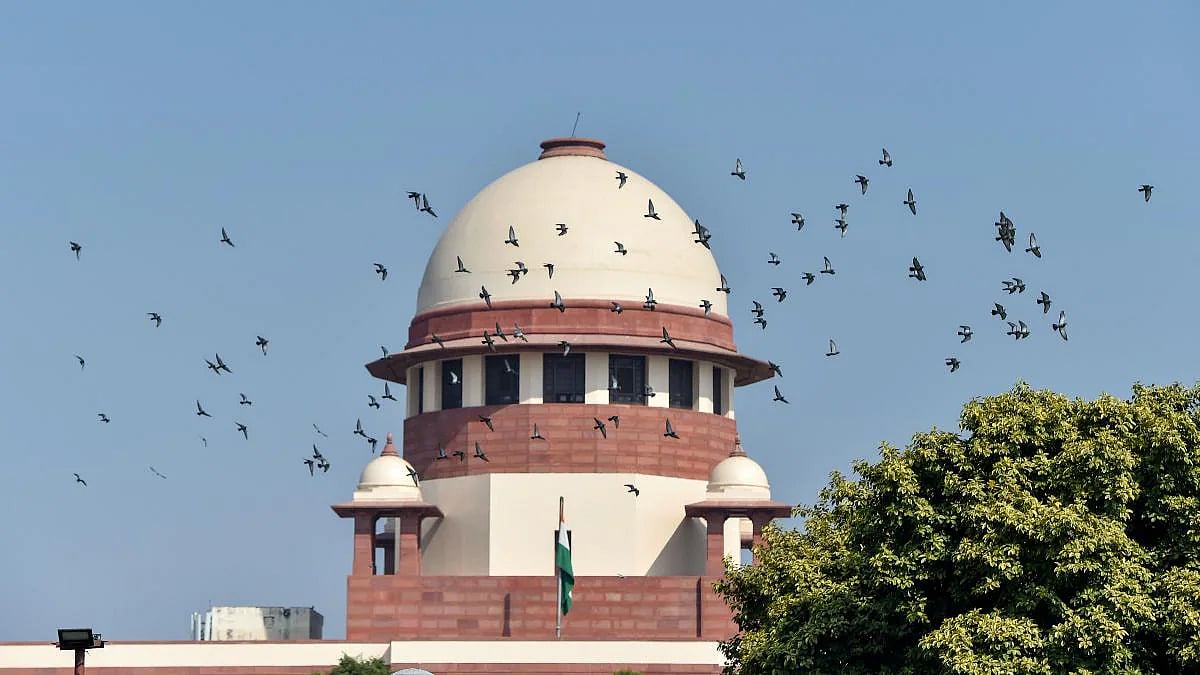
File Photo
In a major fuel-saving initiative, the Supreme Court of India has decided to encourage carpooling arrangements among judges to ensure optimum fuel utilisation amid rising global oil prices and supply concerns linked to the West Asia crisis.
The move is part of a broader set of austerity measures adopted by the apex court following Prime Minister Narendra Modi’s recent appeal urging citizens to reduce fuel consumption and adopt sustainable practices.
Virtual Hearings Until Further Orders
The Supreme Court also announced that all matters listed on miscellaneous hearing days, including Mondays and Fridays, along with partial working days, will be heard exclusively through video conferencing until further notice.
The decision aims to minimise travel and reduce fuel consumption during a period of growing uncertainty in global energy markets.
Registry Staff Allowed Work From Home
In another significant step, up to 50 per cent of Registry staff in each branch or section may work from home for up to two days a week on a rotational basis, provided court functioning remains unaffected.
Concerned Registrars have been authorised to modify or restrict the work-from-home arrangement depending on operational requirements and the essential nature of work.
Fuel Prices Rise Amid Global Tensions
The Supreme Court’s measures come on the same day the Centre increased petrol and diesel prices by Rs 3 per litre as Brent crude prices remained above USD 100 per barrel.
Following the revision, petrol prices in New Delhi rose to Rs 97.77 per litre, while diesel prices increased to Rs 90.67 per litre.
ALSO READ
The surge in prices has been linked to escalating tensions in West Asia and disruptions in the Strait of Hormuz one of the world’s most critical crude oil transit routes.
Judiciary Joins Fuel Conservation Efforts
The Supreme Court’s decision adds to a series of symbolic and practical conservation efforts across the country. Days earlier, a judge of the Madhya Pradesh High Court reportedly cycled nearly 3 km to court following the Prime Minister’s appeal for reduced fuel consumption.
The latest move by the apex court is being seen as an attempt by the judiciary to lead by example during a period of economic and geopolitical uncertainty.
RECENT STORIES
-
-
-
-
-