Haryana Intensifies Crackdown On Vulture-Killing Veterinary Drugs
Haryana launches a major crackdown on veterinary NSAIDs lethal to vultures, inspecting 113 chemist shops and collecting 93 drug samples for lab testing. Experts warn drugs like diclofenac and nimesulide can kill vultures within 48 hours. BNHS lauds the state’s proactive enforcement as a national model, urging other states to adopt similar measures to safeguard biodiversity.

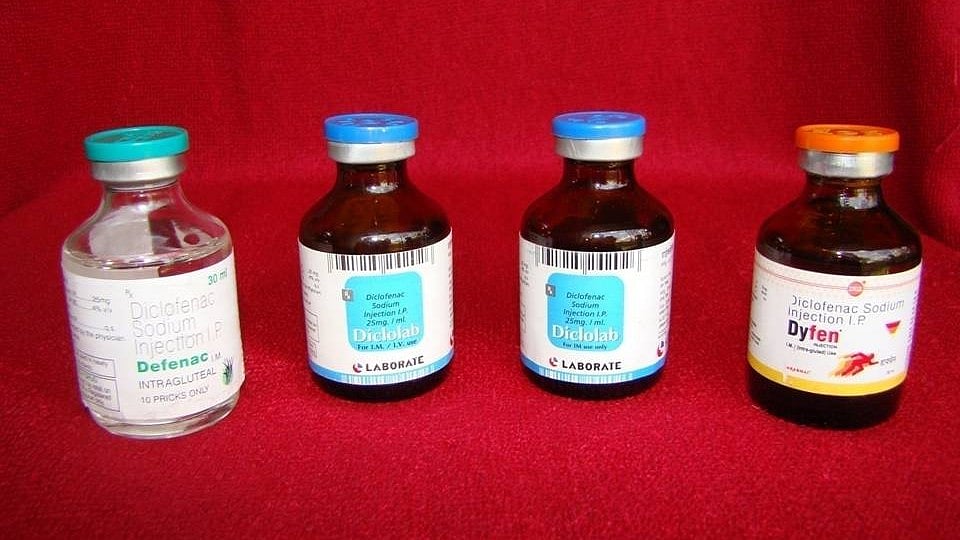
NSAIDs | Picture credit: BNHS
In a major push for wildlife conservation, the Haryana government has launched a massive enforcement drive to eliminate the sale and use of veterinary painkillers known to be lethal to vultures.
Toxic Drugs Threaten Vultures
The move aims to reverse the catastrophic decline in vulture populations caused by toxic non-steroidal anti-inflammatory drugs (NSAIDs) entering the food chain. Vultures and other carrion birds feeding on domestic animals treated with NSAIDs die after suffering damage to their kidneys.
Statewide Chemist Inspections
On January 15, 2026, authorities carried out extensive inspections at wholesale and retail chemist shops across Haryana. The state has deployed inspection teams to 113 wholesale and retail chemist shops, collecting 93 drug samples for urgent laboratory testing.
Laboratory Testing Underway
Authorities confirmed that the samples have been sent to government-approved labs, warning that strict legal action will be initiated under the Drugs and Cosmetics Act if violations are found.
ALSO READ
Also Watch:
Experts Warn of Lethal Drugs
Experts at the Bombay Natural History Society (BNHS) Vulture Conservation and Breeding Centre in Pinjore explained that drugs such as diclofenac, aceclofenac, ketoprofen, and nimesulide cause acute kidney failure and visceral gout in vultures. When livestock are treated with these medicines shortly before death, the residues remain in the carcass. Even if less than one per cent of carcasses are contaminated, it is enough to decimate entire colonies, with birds often dying within 24 to 48 hours of feeding.
Haryana Sets National Example
Highlighting the importance of the crackdown, BNHS Director Kishor Rithe praised Haryana’s enforcement as a model for other states. “Haryana has emerged as a model for other states by taking proactive and decisive steps to safeguard vultures. The large-scale survey of 113 chemist shops to check the availability and use of banned veterinary NSAIDs shows a serious commitment to enforcement and wildlife conservation," said Rithe, adding that such coordinated action at the state level sends a powerful message that protecting biodiversity must go hand in hand with regulatory vigilance.
To get details on exclusive and budget-friendly property deals in Mumbai & surrounding regions, do visit: https://budgetproperties.in/
RECENT STORIES
-
-
-
-
-