CJP October 10 Delhi Protest: What Did CJI Mean By Stating 'Govt Using A Hammer To Kill A Fly'?
Explaining the principle, the Chief Justice said authorities could take measures necessary to prevent potential disturbances but should not bring public life to a standstill.

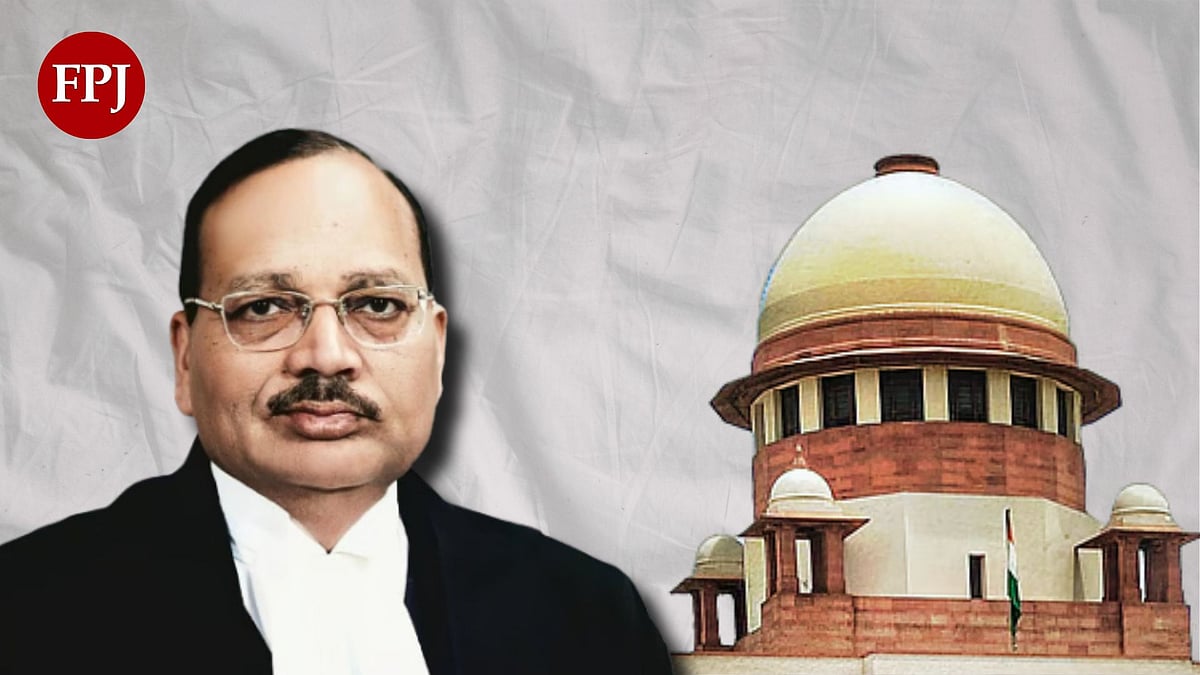
Chief Justice of India Surya Kant | FPJ
The Supreme Court on Friday stressed the principle of proportionality while hearing a plea concerning restrictions imposed on public transport in Delhi ahead of the October 10 protest called by the Cockroach Janata Party (CJP). Chief Justice of India (CJI) Surya Kant used the expression “use a hammer to kill a fly” while explaining why preventive measures must remain proportionate to the threat they seek to address.
However, the Chief Justice cautioned against attributing the expression to a direct allegation that the government was using excessive force, after Solicitor General Tushar Mehta intervened to clarify that the observation was being made by way of an example.
The court was hearing submissions by senior advocate Kapil Sibal concerning the alleged closure of nearly 57 Delhi Metro stations amid security arrangements for the proposed peaceful protest.
CJI stresses proportionality in restrictions
“One very important principle that we follow for every citizen is the principle of proportionality,” CJI Surya Kant said, according to Bar and Bench.
ALSO READ
Explaining the principle, the Chief Justice said authorities could take measures necessary to prevent potential disturbances but should not bring public life to a standstill. He emphasised that maintaining law and order involved protecting citizens, including children, women, senior citizens and patients, and not merely safeguarding government property.
Court seeks review of Metro restrictions
The court subsequently made it clear that there should be “no complete prohibition” on the movement of Metro trains in Delhi. It asked authorities to reconsider the restrictions and allow Metro and other railway services to operate in a regulated manner, keeping commuters' convenience in mind.
The bench also directed authorities to publicise revised restrictions and advisories through newspapers, official websites and other platforms so that commuters could plan their journeys and use alternative routes where necessary.
Protest organisers advised to approach court
The Supreme Court indicated that the proceedings primarily concerned the impact of restrictions on ordinary citizens and access to public transport. It asked protest organisers to approach the court through an urgent plea on issues directly concerning their right to protest and the restrictions imposed on them.
The observations came amid heightened security arrangements in the national capital ahead of the CJP demonstration scheduled for October 10.
RECENT STORIES
-
-
-
-
-