Centre Redefines Ganga Floodplain, Drops ‘Construction-Free Zone’ Wording
The Centre has redefined the active floodplain of the Ganga and its tributaries by introducing three flood zones based on flood frequency. The Jal Shakti Ministry’s amendment defines active, regulatory and warning zones while retaining existing restrictions on structures in active floodplains. The changes aim to improve river management and preserve natural groundwater recharge functions.

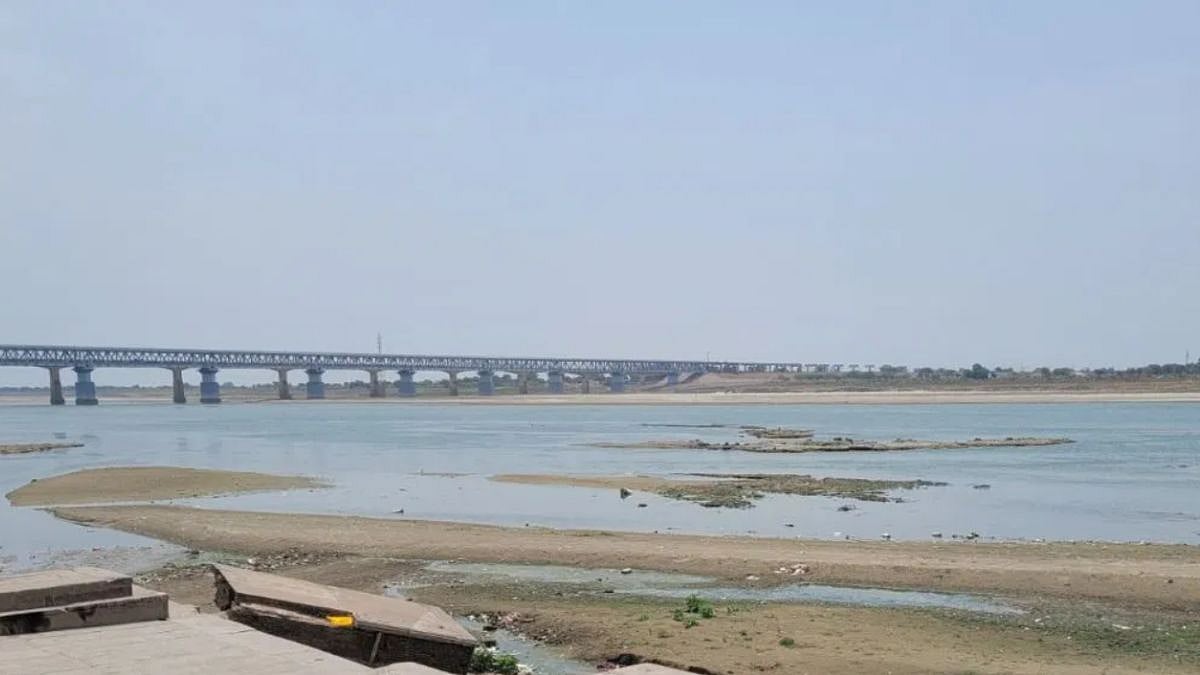
Centre Redefines Ganga Floodplain, Drops ‘Construction-Free Zone’ Wording | Representational Image
The Centre has redefined the “active floodplain” of the Ganga and its tributaries, introducing regulatory and warning zones based on how frequently areas are likely to be flooded.
The Jal Shakti Ministry made the changes through a notification issued on Aug 7 and published in the official Gazette on Aug 10. The notification amends the River Ganga (Rejuvenation, Protection and Management) Authorities Order, 2016, and changes how the river’s floodplain is defined and managed.
‘Construction-Free Zone’ Wording Dropped
One of the key changes is the removal of the “construction free zone” wording from the provision dealing with the maintenance of river banks and floodplains. Instead, the amended order says the banks of the Ganga and its tributaries and their floodplains must be maintained through necessary measures to reduce pollution sources and pressures and preserve their natural groundwater recharge functions.
Importantly, however, the amendment does not remove the existing provision prohibiting permanent or temporary structures for residential, commercial, industrial or other purposes in the Ganga, its banks, tributaries and the active floodplain, subject to specified exceptions and permissions.
What Is An ‘Active Floodplain’?
The amendment now gives “active floodplain” a specific meaning. It defines it as an area of the Ganga or its tributaries that comes under water during floods corresponding to a one-in-five-year return period.
The change is significant because the 2026 amendment does not alter the existing construction restriction, while specifically defining the geographical area that constitutes the active floodplain.
Three Flood Zones Defined
The amended definition of “flood plain” creates three categories based on flood return periods. The active floodplain covers areas affected by a one-in-five-year flood. The regulatory zone covers areas inundated between one-in-five-year and one-in-25-year floods, while the warning zone covers areas inundated between one-in-25-year and one-in-100-year floods.
The definition also includes areas on either side of the Ganga or its tributaries that come under water because of floods corresponding to their greatest flow or a flood occurring with a frequency of once in 100 years, PTI reports.
No Construction Rule Specified For New Zones
While the regulatory and warning zones have now been specifically defined, the notification itself does not lay down any construction permission or prohibition for these newly defined areas.
This leaves an important distinction in the amended framework: the active floodplain is linked to the existing construction restriction, while the notification does not specify similar restrictions for the newly defined regulatory and warning zones.
How The Earlier Definition Read
Under the 2016 order, “flood plain” was defined as the area of the Ganga or its tributaries that comes under water on either side because of floods corresponding to its greatest flow or a flood occurring once in 100 years.
The latest amendment therefore introduces a more detailed classification of the floodplain, distinguishing areas according to different flood return periods rather than relying only on the earlier broader definition.
ALSO READ
Focus On Pollution And Groundwater Recharge
The amendment also substitutes the provision dealing with maintenance of the river banks and floodplains. It says these areas must be maintained to reduce pollution sources and pressures and preserve their natural groundwater recharge functions through necessary measures.
The changes form part of the River Ganga (Rejuvenation, Protection and Management) Authorities (Second Amendment) Order, 2026. The amended order came into force on the date it was published in the official Gazette.
The principal order was notified on Oct 7, 2016. According to the latest notification, it was last amended on May 7, 2026.
RECENT STORIES
-
-
-
-
-