'Emotion Is Universal': Rahhat Shah Kazmi On Love In Vietnam’s Global Resonance
Love in Vietnam, starring Shantanu Maheshwari and Avneet Kaur, has found strong overseas appreciation despite limited Indian release. The Indo-Vietnamese film won Best Asian Film and Director at Seoul Global Movie Awards 2025. With Vietnam and Korea releases ahead, filmmaker Rahhat Shah Kazmi reflects on cross-cultural storytelling and global recognition.

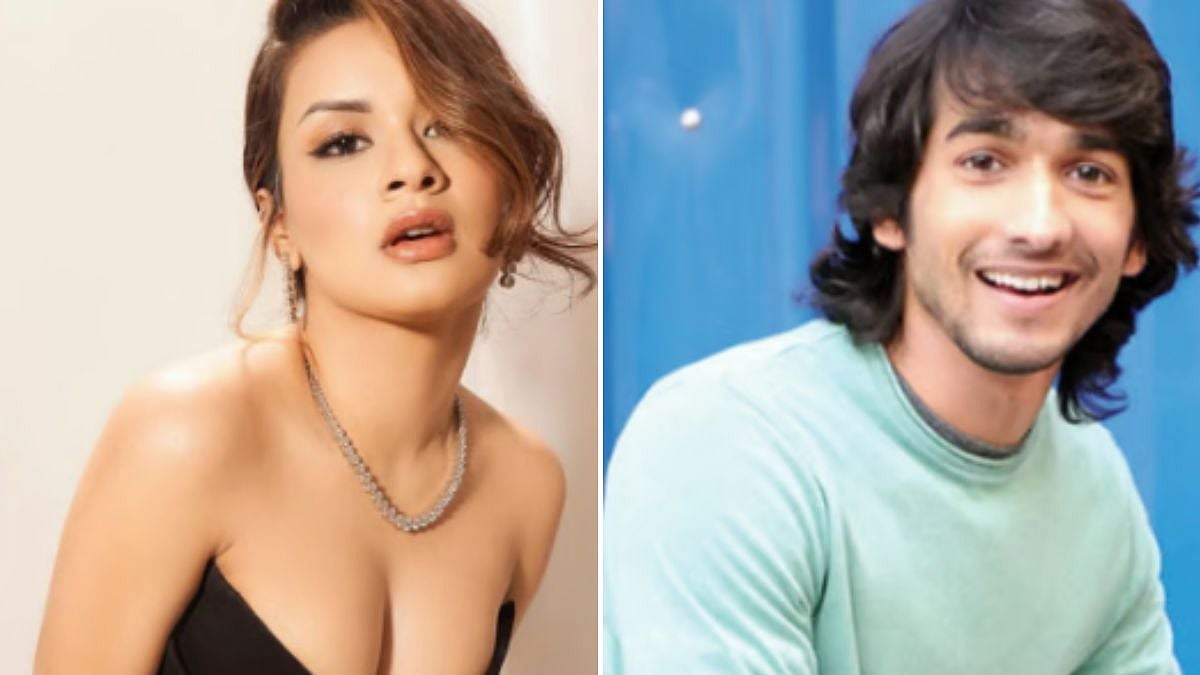
'Emotion Is Universal': Rahhat Shah Kazmi On Love In Vietnam’s Global Resonance | File Pics
Love in Vietnam, starring Shantanu Maheshwari, Avneet Kaur, Kha Ngân and veteran actor Farida Jalal, may have had a modest theatrical footprint in India, but the film has quietly built an emotional following overseas.
The Indo-Vietnamese collaboration recently won Best Asian Film and Best Director of Asia at the Seoul Global Movie Awards 2025, with South Korean audiences reportedly moved to tears at its premiere. As the film prepares for its Vietnam theatrical release on January 9, followed by a Korean release, filmmaker Rahhat Shah Kazmi reflects on cross-cultural storytelling, international recognition and the journey of emotionally rooted cinema. In an exclusive interview with the Free Press Journal, the writer-director-producer speaks about why sincerity travels beyond borders and what this global response means for independent Indian filmmakers.
Q. Love in Vietnam found a strong emotional response overseas, even moving audiences in South Korea to tears. Why do you think emotionally rooted stories travel so well across cultures?
I think it really comes down to emotion being universal. Love, longing, separation, hope, these are things everyone understands. When a story is honest, people stop looking at where it comes from and just respond to what they are feeling. Sometimes distance helps as well. Audiences come in without any baggage or expectations and that allows the film to land more directly.
Q. Love in Vietnam is a first of its kind collaboration between India and Vietnam. What were the biggest challenges during the process?
The main challenge was alignment. Different work cultures, different rhythms, different ways of looking at storytelling. Language was not the biggest issue. Understanding each other’s instincts took more time. Creatively, we were very clear that the film should not feel like a showcase or a forced collaboration. Logistically, coordinating across countries needed patience and trust. Once that trust was in place, things became much easier.
Q. What cultural learnings stayed with you while working with the Vietnamese artists and crew?
What stayed with me was their sense of calm and discipline. There is a lot of respect for time and process, but without rigidity. I was also struck by how comfortable they are with silence. They allow emotions to exist without explaining them, and that was quite powerful.
Q. The film had a limited release in India but has received strong international recognition. How do you view this personally?
I see it as part of the journey. Indian cinema is very crowded, and quieter films often take longer to find space. The international response reassured me that the film connected emotionally. Awards do not change the film itself, but they do tell you that the sincerity behind it was felt.
Q. Do you feel Indian audiences are slower to discover emotionally driven, internationally minded cinema?
I would not say slower. It is more about visibility. Indian audiences are very emotional, but these films are not always easy to find. When they are discovered, the response is usually very deep and genuine.
Q. What does this kind of international recognition mean for independent Indian filmmakers?
For a long time, there has been this idea that Indian films do not travel well because of songs. Love in Vietnam, which is backed by Zee Studios, challenges that. It has eight songs, and still, audiences abroad connected strongly with it. At the Seoul screening, people were clearly moved.
Global audiences today are more open to different storytelling styles. Music, when used honestly, actually helps a film travel emotionally. For independent filmmakers, this kind of recognition is encouraging. It suggests that you do not need to dilute your voice to be understood globally.
ALSO READ
Q. You have made very different films, from Country of Blind to Love in Vietnam. How have these experiences shaped you?
Country of Blind was one of the toughest films I have made. We had very little in terms of resources, but a lot of belief. We shot in difficult conditions, without comfort, and everyone involved stayed purely because they believed in the story. Actors like Hina Khan and Anushka Sen were part of that journey.
Love in Vietnam was very different. It was structured, planned, and made at a much larger scale. Both experiences taught me different lessons. Country of Blind reminded me why I make films in the first place. Love in Vietnam taught me discipline and responsibility.
Country of Blind went on to enter the Oscars race, and the script now sits in the Oscars library. For me, that is deeply meaningful.
Having seen both ends of the spectrum has given me clarity. Scale and format change. What stays constant is the need to tell a story honestly and stay true to its emotional core.
RECENT STORIES
-
-
-
-
-