When War Shakes Markets, Opportunity Whispers: Why This Crash May Not Last?
Indian markets have fallen sharply amid the Iran–Israel conflict, with Rs 50 lakh crore investor wealth wiped out. Rising crude prices and uncertainty are driving volatility. However, experts see signs of stabilisation and long-term opportunities, as markets historically recover after geopolitical shocks despite short-term corrections.

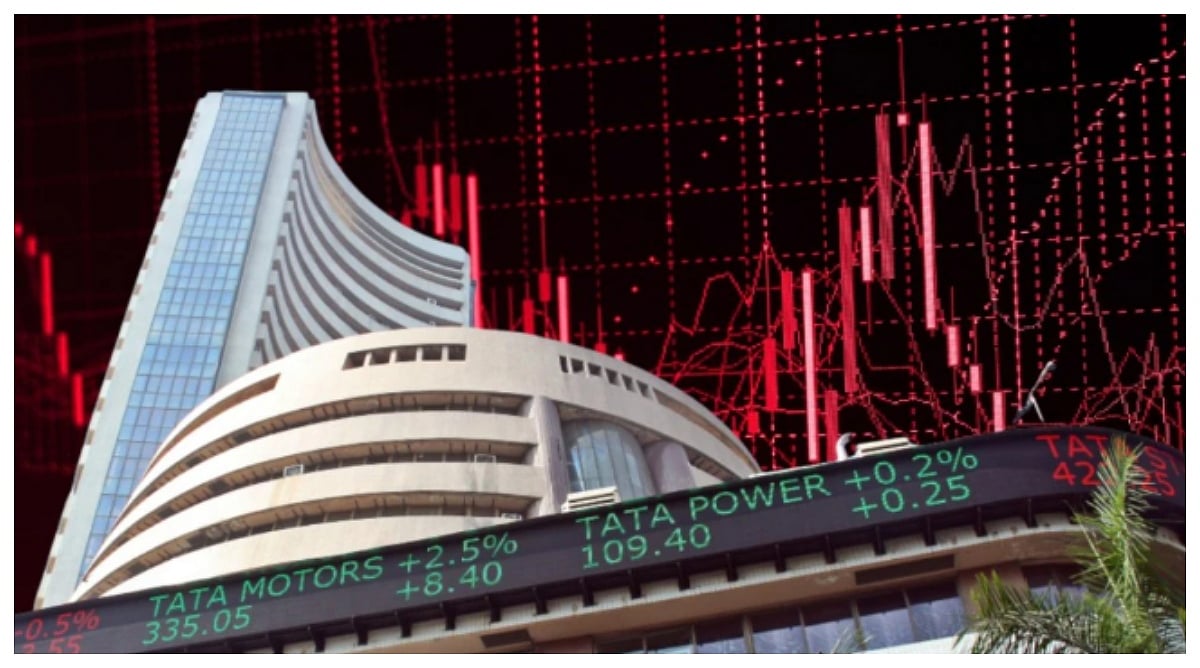
Indian markets have fallen sharply amid the Iran–Israel conflict, with ₹50 lakh crore investor wealth wiped out. |
Mumbai: The screens are bleeding. Crude oil is surging. Headlines are screaming war. And for investors watching the Indian stock market tumble after the escalating Iran–Israel conflict, fear feels justified.
Due to the Iran war, there is a clear atmosphere of fear in the stock market. Since the conflict began, nearly Rs 50 lakh crore in investor wealth has been wiped out. Investors are unsure where the market will finally stabilise, adding to the nervous sentiment.
ALSO READ
The benchmark indices reflect this anxiety. The Sensex recently closed near 72,400, while the Nifty 50 hovered around 21,950. In just the first few sessions of April, both indices have fallen by around 4–5 percent. This sharp correction has shaken confidence across Dalal Street, with volatility rising and investors turning cautious.
The trigger behind the fall is real. India imports more than 80 percent of its crude oil, and rising oil prices increase inflation, weaken the rupee, and hurt corporate profits. This mix of higher costs and global uncertainty has created a perfect storm for markets.
However, panic often hides an important truth. Markets do not fall simply because of war-they fall because of uncertainty. And uncertainty does not last forever. Historically, such corrections are sharp but short-lived, with most of the damage happening early before stability begins to return.
Even now, early signs of stabilisation are visible. India is working to manage its energy risks by diversifying supply sources, reducing the chances of a deeper economic shock. At the same time, some experts believe that stocks have become cheaper after the recent fall, creating opportunities for gradual buying, especially for long-term investors.
Certain sectors are already showing resilience. Oil-producing companies benefit from higher crude prices, while defence stocks and strong large-cap companies are attracting investor interest during uncertain times. Markets are forward-looking and often begin to recover even before the situation improves on the ground.
History shows that even major global crises have eventually led to recoveries. The Indian market has repeatedly shown its ability to absorb shocks and grow over the long term. If tensions ease, oil prices may cool and confidence could return. If tensions persist, volatility will remain-but so will selective opportunities.
For investors, this is not just a test of portfolios, but of patience and perspective. The real question is not whether the market will recover, but whether investors will stay invested long enough to benefit from that recovery.
RECENT STORIES
-
-
-
-
-