SEBI Urges Directors To Challenge Management, IRDAI Seeks Human Oversight Of AI
M Damodaran-led Excellence Enablers opened its governance summit in Mumbai, where SEBI stressed board accountability and IRDAI urged human oversight of AI decisions in insurance.

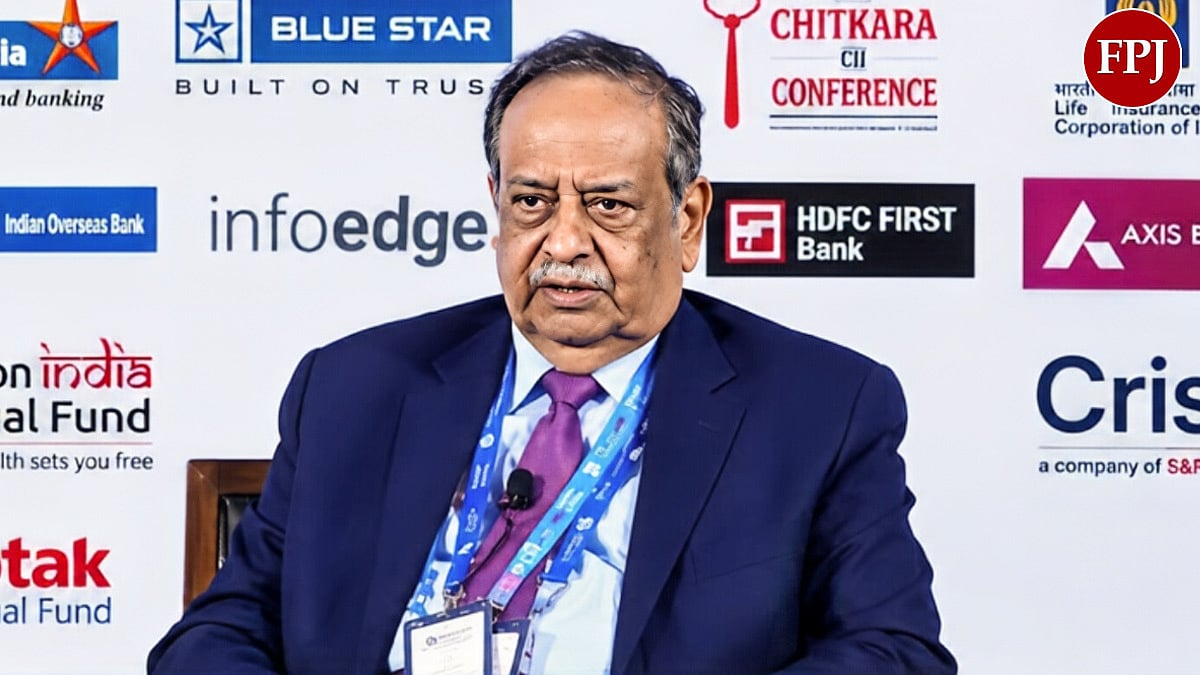
M Damodaran-led Excellence Enablers opened its governance summit in Mumbai, where SEBI stressed board accountability. |
Mumbai: Independent judgement in company boardrooms and human oversight of artificial intelligence took centre stage as the 11th Gatekeepers of Governance summit opened on Thursday at the Trident Hotel in Nariman Point. Organised by Excellence Enablers, chaired by former SEBI chairman M Damodaran, the two-day event brought together regulators, directors, executives and investors to discuss how boards can hold management to account and retain human control over critical decisions as businesses adopt AI.
Opening the summit with a discussion on whether regulation can keep pace with changes in business, SEBI Chairman Tuhin Kanta Pandey said independent directors must demonstrate their independence through the decisions they take. Eligibility criteria and appointment procedures set the terms for joining a board, he said. Effective oversight depends on directors exercising their own judgement, questioning management constructively and taking an active part in deliberations.
Pandey outlined SEBI’s efforts to make compliance more proportionate for listed companies while strengthening accountability and investor protection. The work includes using quantitative thresholds to assess whether an event is material, reviewing requirements for related-party transactions and tailoring disclosures to the nature and significance of those transactions. The regulator is also exploring ways to help independent directors build the expertise needed to scrutinise increasingly complex businesses.
SEBI has separately issued a consultation paper on how companies use of funds raised through public issues should be monitored. It proposes allowing monitoring agencies to submit their reports directly to stock exchanges and extending monitoring requirements to public issues regardless of size. Another proposal would review how exchanges penalise listed companies for non-compliance, with the aim of preventing multiple penalties for the same violation.
On sustainability reporting, the top 1,000 listed companies by market capitalisation are required to make structured environmental, social and governance disclosures under the Business Responsibility and Sustainability Reporting framework. Pandey said SEBI was working to make value-chain disclosures more practical by limiting the scope of those requirements to significant business partners.
The question of who exercises judgement became especially pressing as the discussion turned to artificial intelligence. Insurance Regulatory and Development Authority of India (IRDAI) Chairman Ajay Seth said nearly 85% of Indian insurers use AI in some form, including in underwriting and claims. He urged insurers to train their models for Indian conditions and keep people in control of critical decisions. A separate panel examined what company directors should continue to scrutinise as businesses rely more heavily on automated tools.
Pension Fund Regulatory and Development Authority (PFRDA) Chairman S Ramann said the regulator was examining whether elements of the Unified Pension Scheme (UPS) could be adapted to offer private-sector employees more predictable retirement income. The UPS combines the National Pension System framework with a defined-benefit component backed by actuarial calculations and a government-backed liability structure. Ramann said discussions with the insurance regulator were exploring whether a market-based mechanism could provide pension guarantees.
Guarantees carry costs that would need careful assessment, Ramann said, adding that such a model would have to be developed in phases. He noted that some subscribers had chosen to keep their individual National Pension System accounts during the transition to the UPS, citing the investment returns they had earned and their willingness to manage their own retirement savings. As longer life expectancy raises the risk of people outliving those savings, he called for pension products suited to different income groups and wider distribution through banks and other financial institutions.
The summit also considered how nomination and remuneration committees should prepare for both planned leadership transitions and unexpected departures. A session on the National Financial Reporting Authority was scheduled to examine how audit oversight can curb aggressive accounting and help ensure financial statements fairly reflect a company’s position.
ALSO READ
Panellists examined how parent companies oversee their subsidiaries and whether changes to corporate group structures could strengthen accountability. A separate discussion focused on governance practices at start-ups. Speakers at the summit included State Bank of India Chairman CS Setty, Crisil Managing Director and Chief Executive Amish Mehta, and former SEBI whole-time members Amarjeet Singh and G Ananth Narayan.
Level up your brain the fun way. Play daily games and quizzes on FPJ Smart!
RECENT STORIES
-
-
-
-
-