REIT Can Make Commercial Real Estate More Accessible To Retail Investors
The Chairperson of the Indian REITs Association explains how Real Estate Investment Trust (REIT) as an investment instrument offers income, liquidity and diversification, making commercial real estate more accessible to retail investors.

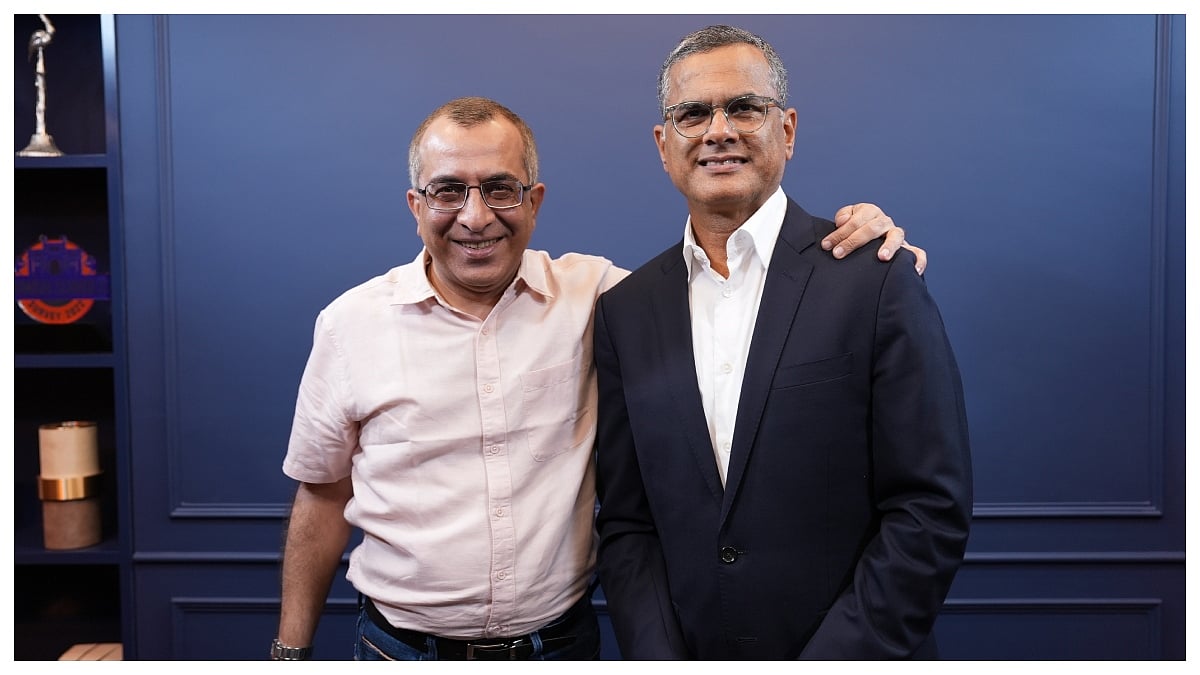
The Chairperson of the Indian REITs Association explains how Real Estate Investment Trust. |
In a conversation on Simple Hai! with Vivek Law, Shirish Godbole, Chairperson of the Indian REITs Association and CEO of Knowledge Realty Trust, explained how Real Estate Investment Trust (REIT) can help retail investors access commercial property. The discussion covered income potential, liquidity, mutual fund access and India's office market, where demand from global capability centres (GCCs) continues to grow.
From Physical Property to Listed Investments
Real estate remains popular in India, but owning a property is not the only way to invest in it. Residential properties may offer rental income and appreciation, yet rental yields can be low. Maintenance, taxes and the time needed to sell can also affect returns.
REIT pools income-generating commercial properties and shopping malls into professionally managed, exchange-listed investment vehicle. Investors can buy and sell REIT units through a demat account, much like shares, without having to purchase or manage a building themselves.
Commercial properties, particularly offices, can earn rent from multiple tenants. After meeting operating expenses and other obligations, the trust distributes cash flows to unit holders. Investors may also benefit from changes in property valuations and portfolio growth through acquisitions, development or improvements.
Income, Liquidity and Distributions
Law asked how REIT distributions compare with rental income from residential property. Godbole said REIT offers exposure to commercial real estate without the responsibilities of managing tenants or maintaining buildings.
Under the regulatory framework discussed, REIT must distribute at least 90 percent of their net distributable cash flows to unit holders. Distributions are generally quarterly, though amounts and tax treatment can vary. Godbole cited yields of around 6 percent as a broad illustration, while stressing that investors should consider taxes, costs and the underlying investment. Returns are not guaranteed.
Listed REIT units can generally be traded on stock exchanges during market hours, unlike physical property, which may take time to sell. However, unit prices can fluctuate and investors may face capital losses.
A Small Investor Base and the Need for Awareness
Godbole said India has fewer than five lakh REIT investors, compared with around six crore mutual fund investors cited during the discussion. He sees this gap as a sign of limited awareness. Investors familiar with shares and mutual funds may not know how REITs work or how they can fit into a diversified portfolio.
A REIT investment is not limited to high-net-worth individuals. Investors can buy listed units through a demat account or gain exposure through mutual funds. Godbole said investor education is a priority for the Indian REITs Association and the wider industry. Financial advisers and distributors need to explain both the potential benefits and risks.
Mutual Funds Could Expand Access
Godbole said the recognition of REIT as equity product for Mutual Funds in 2026 could widen access through equity mutual funds. Previously, mutual funds accessed REIT through certain other fund structures. Broader eligibility could help more investors gain indirect exposure through professionally managed portfolios.
He also highlighted cost transparency. Investors can buy listed REIT units directly without the traditional commission structure associated with some products. Wider adoption will depend on making REIT easier to understand and helping advisers explain their role in a portfolio.
Geopolitical Uncertainty and India's Property Market
Law raised concerns about geopolitical tensions and their effect on commercial property valuations, particularly after pressure in parts of West Asia. Godbole said India's market differs from those that rely heavily on overseas capital flows. Domestic economic growth and rising consumption, he argued, provide a stronger foundation for the sector.
Higher crude oil prices can weigh on growth, but Godbole does not expect India's property market to face a sharp correction similar to declines in some overseas markets. He remains positive about office real estate demand, while acknowledging that property values can rise or fall with market conditions.
GCCs Drive Demand for Offices
Global capability centres (GCCs) are an important source of demand for office space. Godbole said India's skilled workforce, English-language capabilities and established technology services sector make it attractive to global companies. Demand spans technology, data management, cybersecurity, artificial intelligence and other specialised services. Remote and distributed working has also made it easier for international firms to build teams in India.
ALSO READ
Bengaluru, Hyderabad, Pune and Gurugram benefit from large talent pools. Godbole noted that companies hiring thousands of skilled workers look for locations with established workforces and supporting infrastructure. Transport, schools, housing and entertainment also help attract and retain employees. He cited Hyderabad as an example of how investment in infrastructure and social amenities can support employment and commercial property growth.
The Next Phase of REIT Growth
Godbole sees opportunities beyond offices, including warehousing, logistics, data centres and student accommodation. During the interview, he put India's REIT market capitalisation at roughly Rs 2 lakh crore, or around USD 20 billion. He hopes it will reach about USD 40 billion by 2030 and move towards USD 100 billion over the following decade.
The industry also wants to grow its investor base from around five lakh to 15–20 lakh over the next five to six years. Godbole said this will require sustained awareness and distribution efforts, alongside new investment products and the expansion of existing REITs.
Real Estate in a Diversified Portfolio
Godbole did not suggest that REIT should replace physical property ownership. Instead, he urged investors to consider the implications of tying up large amounts of capital in residential property solely for rental income.
REIT offers another way to access commercial real estate through distributions, potential capital appreciation and professional management. The exchange listing of REIT provides greater flexibility than direct ownership but does not remove investment risk. The industry's challenge is to build public understanding and connect India's expanding commercial property market with a broader base of investors.
RECENT STORIES
-
-
-
-
-