From Market Cycles To Investor Behaviour, Quest CEO Rajkumar Singhal Shares His Long-Term Roadmap For Wealth Creation
Quest Investment Managers CEO Rajkumar Singhal says disciplined investing, quality businesses and patience remain the keys to wealth creation. He highlights opportunities in power, manufacturing and consumer sectors while cautioning investors against speculative trading and short-term market noise amid India's long-term growth story.

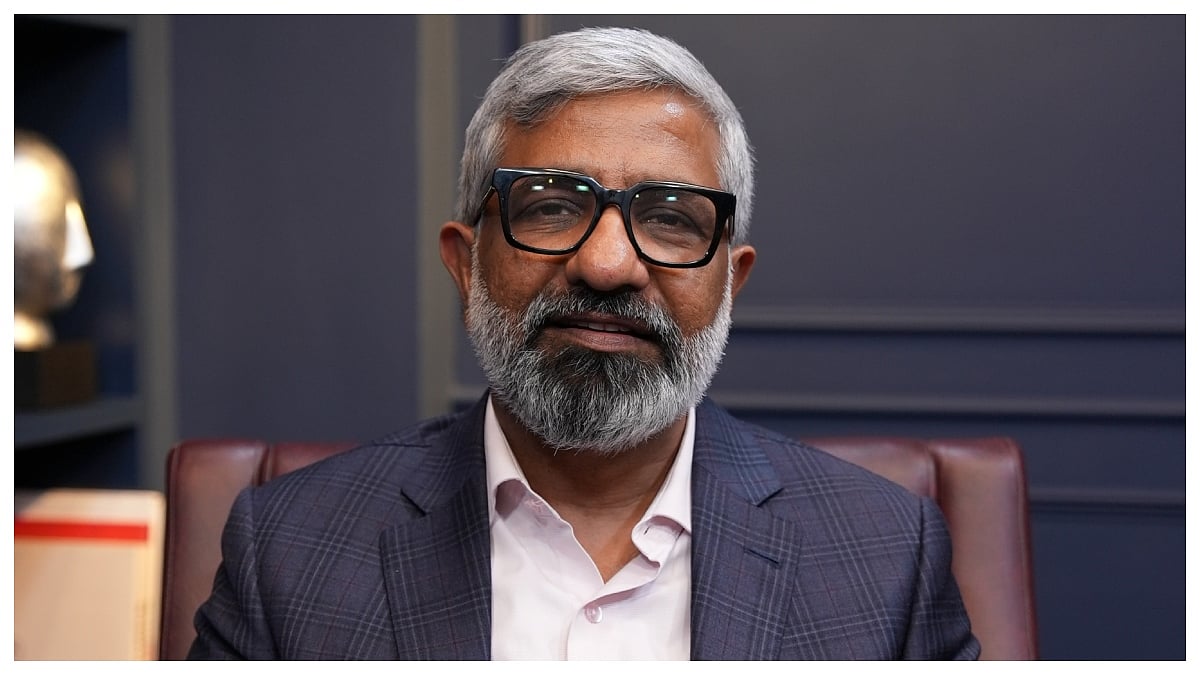
Rajkumar Singhal- Quest Investment Managers CEO. |
India’s equity markets have matured significantly over the past few years, driven by rising retail participation, growing financial awareness and easy access to investing platforms. Yet, concerns around speculation, derivatives trading and market frenzy remain. In this conversation with Manoj Yadav, Business Editor (Digital), and Sheryll D' Souza, Consulting Editor- Business The Free Press Journal, Rajkumar Singhal, Chief Executive Officer, Quest Investment Managers Pvt Ltd, shares insights on market cycles, stock selection, investor behaviour, emerging opportunities and India’s long-term growth story. He also discusses the future roadmap for Quest and his outlook on Indian equities.
You have spent decades in the financial industry. How would you describe your professional journey?
It has been an interesting journey across different parts of the financial services industry. I started in fixed income markets and spent many years building expertise in that space. Over time, I moved into leadership roles across Asia, managing businesses in multiple countries including Singapore, Thailand, Indonesia, Malaysia and the Philippines.
Later, I became fascinated by entrepreneurship and wealth management, which eventually led me to asset management. The transition from macroeconomic investing to equity investing has been both challenging and rewarding. Every phase taught me something new about markets, investors and businesses.
Quest has been around for several decades. How has the company evolved over the years?
Quest began as a research-focused organisation in 1987. The company built its reputation through detailed research and deep understanding of businesses and industries.
Over the years, that research foundation became the backbone of our investment philosophy. We gradually expanded into portfolio management and wealth management. Today, we continue to follow the same principles of disciplined research and long-term investing while adapting to changing market conditions.
The company’s survival and growth over nearly four decades itself reflects the strength of its philosophy and culture.
What is the investment framework that Quest follows while selecting stocks?
We follow what we call the QUEST Framework.
The first element is Quality of Management. If there are doubts about management integrity, we simply do not invest.
Second is Understanding the Business. We only invest in businesses we can clearly understand. If the business model is too complicated to analyse, we avoid it.
Third is Earnings Growth. Ultimately, stock prices follow earnings. We look for businesses where earnings can improve meaningfully over time.
Finally comes Valuation. Even a great company can be a poor investment if purchased at the wrong price.
This framework helps us narrow down thousands of listed companies into a manageable investment universe.
Retail participation in Indian markets has increased dramatically. How do you view this trend?
It is a positive development overall. More Indians are recognising equities as a long-term wealth creation tool.
For decades, household savings largely flowed into bank deposits, gold and real estate. Today, investors are increasingly allocating money towards equities and mutual funds.
This shift is healthy for both investors and the economy. However, it also creates responsibility. Investors need to understand the difference between investing and speculating.
Are you concerned about the growing trading frenzy in certain parts of the market?
Yes, that is a concern.
Many investors confuse rising stock prices with improving businesses. Just because a stock is moving higher does not necessarily mean the underlying company is becoming stronger.
There is also excessive participation in speculative trading activities. Many people are entering markets with unrealistic expectations of quick profits.
Markets have always gone through periods of enthusiasm and excess. The important thing is to remain disciplined and focus on fundamentals rather than short-term excitement.
Why do you think so many people are attracted to short-term trading today?
There are several reasons.
Technology has made trading extremely easy. A smartphone is enough to access markets instantly.
Social media has amplified stories of people making quick profits, while losses rarely receive the same attention.
The post-pandemic environment also encouraged greater market participation. Many individuals had additional time, increased digital access and greater curiosity about investing.
The combination of accessibility, information flow and the desire for quick returns has contributed to the trend.
ALSO READ
Which sectors currently excite you the most?
The power sector remains one of the most compelling opportunities.
India’s electricity demand is rising rapidly due to economic growth, industrialisation, urbanisation and digital infrastructure expansion. This creates opportunities across power generation, transmission and related equipment manufacturing.
Another area is manufacturing. Global supply chains are diversifying and India is becoming an important destination for production. This trend has the potential to create long-term opportunities across multiple industries.
Consumer businesses also remain attractive because rising incomes will continue to support consumption growth.
What is your view on small-cap and mid-cap companies?
Smaller companies often offer exciting opportunities because they can grow much faster than large established businesses.
However, stock selection becomes extremely important. Not every small company succeeds.
Investors must focus on management quality, business strength and earnings potential. When those factors align, smaller companies can generate significant value over long periods.
How do you assess the current state of the Indian stock market?
Markets went through a correction after valuations became stretched and earnings growth moderated.
However, from a long-term perspective, I remain constructive.
India continues to enjoy strong economic growth, favourable demographics and improving infrastructure. Corporate earnings are also expected to grow over time.
Short-term volatility is inevitable, but the broader outlook remains positive.
What are the biggest macroeconomic risks investors should watch?
External factors such as oil prices, global interest rates and geopolitical developments remain important.
India still imports a significant amount of energy, making the economy sensitive to commodity price movements.
At the same time, policymakers have shown a willingness to manage these challenges proactively. The focus should remain on maintaining growth while managing inflation and external vulnerabilities.
What advice would you give to retail investors today?
Think long term.
Any money required over the next one or two years should not be invested in equities. That money belongs in safer instruments such as fixed deposits or debt products.
Equities should be used for long-term wealth creation. Investors who stay disciplined and remain invested through market cycles generally do better than those trying to predict short-term movements.
Patience is one of the most underrated qualities in investing.
What is next for Quest?
Our primary focus remains on serving family offices and long-term investors.
Over time, we plan to expand our offerings across additional asset classes, including fixed income and alternative investments. We also want to strengthen our talent pool and broaden our investment capabilities.
The objective is to build a larger, more diversified asset management platform while staying true to our research-driven culture.
One final message for investors?
Equity investing should be approached with discipline, patience and a long-term mindset. Markets will always experience periods of uncertainty, but strong businesses continue to create value over time. Investors who focus on fundamentals rather than noise are more likely to succeed in the long run.
RECENT STORIES
-
-
-
-
-