Economic Storm Awaits Bangladesh’s New PM: GDP Slowdown, Forex Stress, Debt Burden, Ratings Pressure & BNP’s Revival Roadmap In Focus
Bangladesh’s new leadership faces economic pressure with slow growth, high inflation, low reserves and banking risks. BNP returned to power after 17 years under Tarique Rahman, whose wealth disclosures have raised debate. The government now faces challenges of reforms, governance improvement and restoring investor confidence.

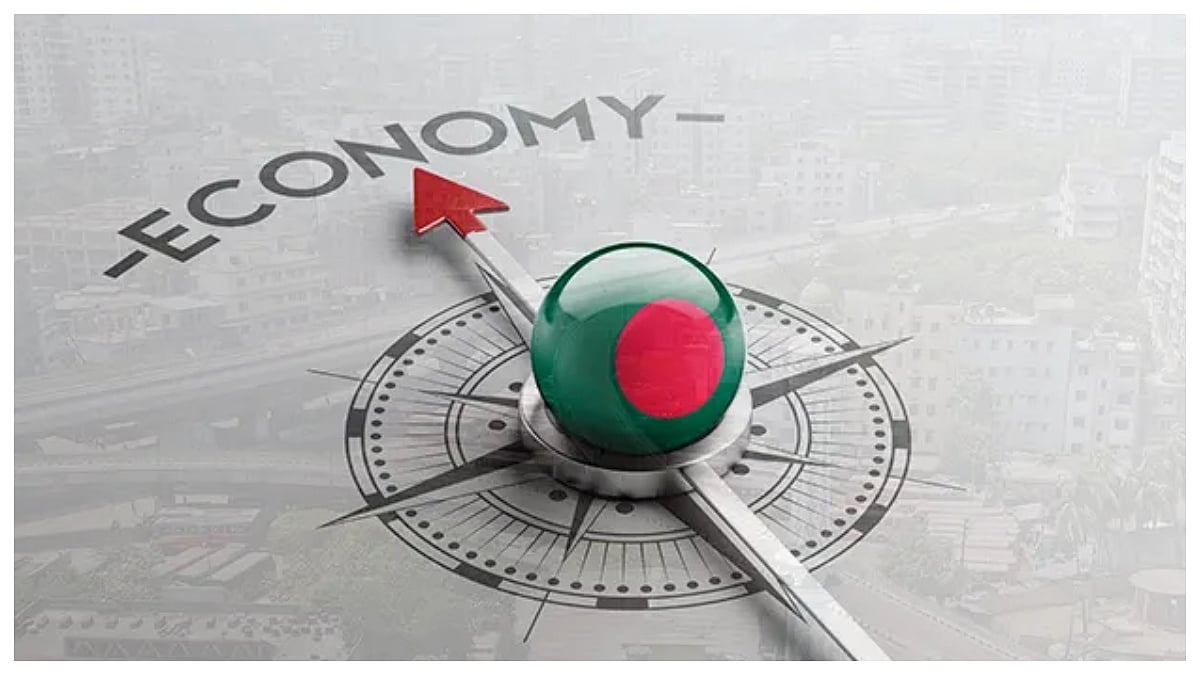
Bangladesh’s new leadership faces economic pressure with slow growth, high inflation, low reserves and banking risks. |
Dhaka: Bangladesh’s new Prime Minister is taking charge at a time when the country’s economy is under serious pressure. Growth has slowed, inflation is high, foreign exchange reserves are low and the banking sector is weak. Along with this, the government must also manage debt and rebuild investor confidence. Political transition has increased uncertainty in financial markets.
Tarique Rahman led BNP to a majority win after 17 years. His affidavit shows low declared income but high campaign spending. His wife declared higher income and assets. Past corruption cases were cleared recently, but wealth gaps and political funding questions continue to attract attention in Bangladesh politics.
ALSO READ
Growth Slows And Inflation Stays High
Bangladesh’s GDP growth has slowed from 5.8 percent in FY23 to about 3.7 percent in FY25. This shows economic activity has weakened.
Inflation is also a big concern. Food inflation is above 16 percent. This is increasing pressure on common people and reducing spending power.
Forex Reserves And Fiscal Stress
Foreign exchange reserves have dropped sharply compared to previous years. Lower reserves make it harder to manage imports and control currency movement.
The country is also facing fiscal deficits. Because of this, Bangladesh is following a strict economic plan supported by the IMF to stabilise the economy.
ALSO READ
Banking Sector And Debt Risks Remain
The banking sector is under stress and is considered fragile. Weak financial institutions and rising bad loans are major risks.
Bangladesh is also handling rising debt pressure and balance-of-payments risks. Major lenders include China, Japan, Russia and global institutions like the World Bank and IMF. Large projects like the Rooppur Nuclear Power Plant are linked to foreign loans.
Reform Focus Under BNP Leadership
The BNP leadership is expected to focus on economic reforms. The main focus areas include controlling inflation, fixing the banking sector, improving governance and creating jobs for young people.
The government also wants to improve the business environment and promote green and sustainable policies.
Road Ahead Remains Difficult
The new government must rebuild investor confidence and stabilise the economy. Managing low reserves, weak banks and slow growth will be key challenges. Strong reforms and better governance will decide the future recovery path.
RECENT STORIES
-
-
-
-
-