Dixon Down Over 3% After CLSA Downgrade To ‘Hold’; AI Data Centres, Memory Prices Seen As Headwinds
The rise of artificial intelligence is giving a tough time to contract manufacturer Dixon Technologies. The stock of the Noida-headquartered company fell over 3% during early trade on Thursday

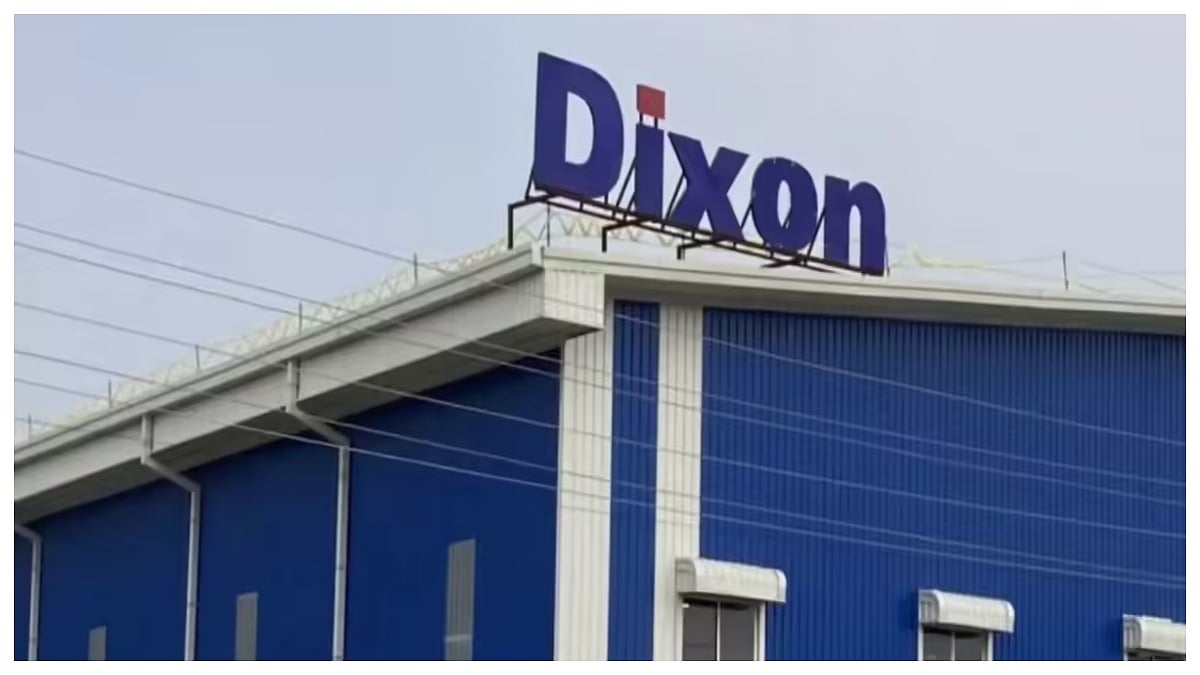
The rise of artificial intelligence (AI) is giving a tough time to contract manufacturer Dixon Technologies (India). The stock of the Noida-headquartered company fell over 3% during early trade on Thursday. The stock was trading at Rs 11,171 around 12:20 PM today.
The beating came after brokerage firm CLSA downgraded the rating of the Indian company from ‘Outperform’ to ‘Hold’. Furthermore, CLSA slashed the target price of Dixon to Rs 12,100 from Rs 15,800. This represents a decline of 23% in the target price.
The main reason behind this downgrade was the rising demand for memory chips for training AI models. This surge in demand is leading to a rise in memory prices, which has the potential to force smartphone makers like Dixon to increase the average selling price of their products by 10–25 per cent.
The price rise may significantly impact the demand for smartphones in the lower and entry segments. The brokerage firm highlighted that the global memory industry is entering an AI-led supercycle.
This phenomenon is driven by surging demand for high-bandwidth memory and DDR5, which is limiting the supply of critical memory products and pushing up costs. It said that global suppliers are prioritising higher-margin, AI-grade memory.
The observation is in line with what Atul Lall, Dixon’s managing director and vice chairman, said during the earnings call last month for Q3FY26.
Lall acknowledged that rising memory prices globally were a headwind for the industry.
“One important external headwind is a sharp increase in memory prices globally driven by AI and data centre demand, reallocating the memory capacity away from traditional consumer devices,” he had said, adding that conventional DRAM contract prices had already risen sharply over the last two quarters and further increases were expected in mid-2026.
“For smartphones and PCs, memory has moved from being a relatively small line item to one of the most sensitive parts of the bill of material, especially for lower-priced devices,” Lall had said during the call.
However, he had told investors that the company’s returns remained steady, with strong ROE and ROCE, low leverage, and a negative working capital cycle.
RECENT STORIES
-
-
-
-
-