Bhopal Upper Lake Under NGT Scanner Over Pesticide Concerns; Regular Water Tests Ordered, Water Chestnuts To Be Examined In 3 Months
The National Green Tribunal has ordered regular pesticide monitoring of Bhopal's Upper Lake amid concerns over water chestnut cultivation. Although initial water samples showed no pesticide residues, the tribunal sought further testing. IARI must examine water chestnuts within three months, while BMC and the Agriculture Department must regulate cultivation.

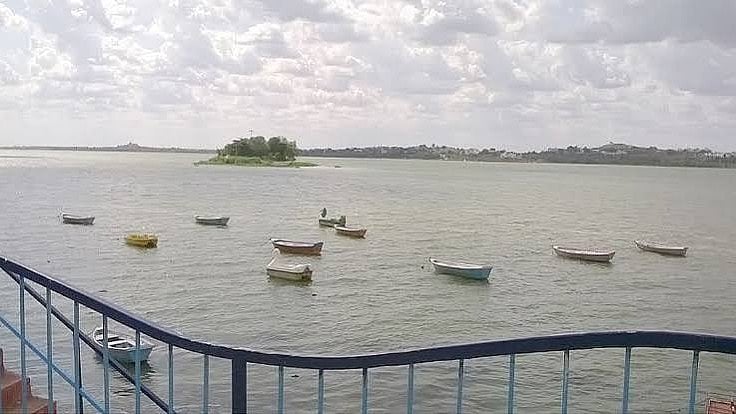
Bhopal Upper Lake Under NGT Scanner Over Pesticide Concerns; Regular Water Tests Ordered, Water Chestnuts To Be Examined In 3 Months | Representative image
Bhopal (Madhya Pradesh): The National Green Tribunal (NGT) has directed the Madhya Pradesh Pollution Control Board (MPPCB) to regularly monitor water quality in Bhopal’s Upper Lake to check for pesticide residues amid concerns over chemical use in water chestnut cultivation.
The tribunal also ordered measures to regulate cultivation and promote organic farming, along with crop testing reports, within three months.
The case was taken up suo motu following concerns about chemical pesticide spraying on water chestnut crops and the rapid spread of water hyacinth in the lake, a major source of drinking water for Bhopal.
A joint committee comprising representatives of the Wetland Authority, Central Pollution Control Board and MPPCB inspected the lake on Oct 1, 2026, near Borvan Park in Bairagarh.
It observed water chestnut and lotus cultivation but found no pesticide-spraying activity, spraying equipment or dead fish at the site.
Water samples recorded dissolved oxygen at 6.1 mg/l, biochemical oxygen demand (BOD) at 2.4 mg/l and chemical oxygen demand (COD) at 9.6 mg/l. No pesticide residues or faecal coliform were detected.
However, the tribunal noted that samples collected at a single location and time could not conclusively establish whether pesticides were being used across the lake.
The fisheries department also informed the NGT that it had not authorised or recommended any lease for water chestnut cultivation in the Upper Lake. The tribunal also highlighted concerns that excessive water hyacinth could reduce dissolved oxygen and threaten aquatic life.
NGT issues directions
Regular water testing: MPPCB will monitor the lake for pesticide residues.
Crop safety assessment: The Indian Agricultural Research Institute (IARI) must analyse water chestnuts for pesticide residues and harmful chemicals and assess food safety within three months.
Regulation of cultivation: Bhopal Municipal Corporation (BMC) and the Agriculture Department must ensure compliance with applicable permissions and environmental safeguards.
Organic farming awareness: BMC and MPPCB will conduct awareness programmes promoting organic cultivation and discouraging chemical pesticides.
ALSO READ
RECENT STORIES
-
-
-
-
-