Bhopal News: Police Bridged Govt-Tribal Gap To Make MP Naxal Free, Says Commissioner of Police, Sanjay Kumar
Trust-building and development support, he said, were as critical as tactical operations. Police teams also conveyed tribal grievances to departments concerned, especially regarding roads, development works and mobile connectivity in remote villages. Gradual improvement in these areas strengthened public trust in police and administration, he said.

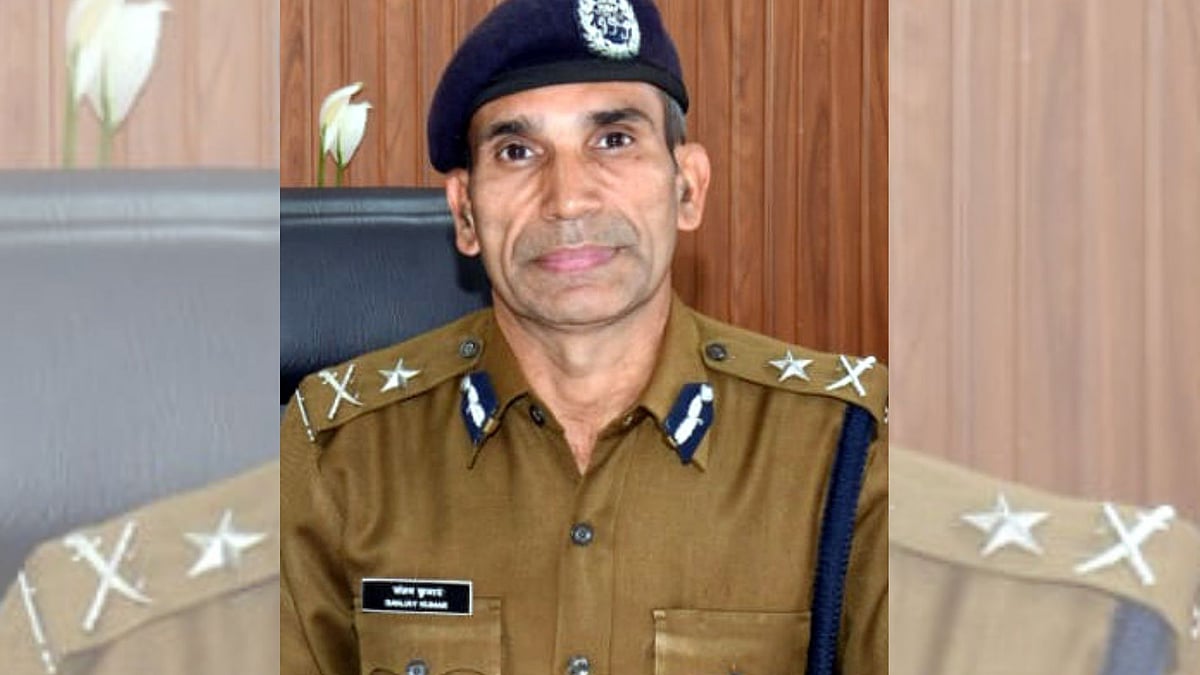
Bhopal News: Police Bridge Government-Tribal Gap In Former Naxal Zones; CP Sanjay Kumar | FP Photo
Bhopal (Madhya Pradesh): In dense forest regions where administrative reach remains limited, police personnel acted as a crucial bridge between tribal communities and government, said Sanjay Kumar, Commissioner of Police, Bhopal, while recalling his tenure in once Naxal-affected belts of Madhya Pradesh.
Speaking to Free Press, Kumar shared detailed insights into anti-Naxal operations and sustained local engagement that pushed state towards becoming Naxal-free.
Kumar served nearly six years in different postings in Balaghat district, earlier considered sensitive due to Naxal presence. He said coordinated policing backed by strong local support proved decisive in eliminating extremism.
ALSO READ
Madhya Pradesh has now effectively become Naxal-free, he said, adding recent surrenders were outcome of continuous motivation and confidence-building by police teams on ground. “Local communities contributed most to ending Naxalism,” Kumar said.
“Only a small number of Naxals are ideologically driven. Most joined due to personal reasons — family disputes, social pressure, attraction of power or fear linked to weapons,” he said.
He said Naxal groups often misled poor villagers, recruiting them through intimidation and misinformation.
Kumar said that without local intelligence and cooperation, anti-Naxal operations would have been extremely difficult. Naxals routinely threatened villagers to prevent information-sharing. “Our focus was building confidence and assuring security,” he said.
In remote forest interiors, police became connecting link between government and tribal population. Trust-building and development support, he said, were as critical as tactical operations.
Police teams also conveyed tribal grievances to departments concerned, especially regarding roads, development works and mobile connectivity in remote villages. Gradual improvement in these areas strengthened public trust in police and administration, he said.
‘Jungle ops test endurance, alertness’
Sharing operational challenges, Kumar said anti-Naxal missions in forest terrain carry high risk. “In jungle operations, danger can arise at every step. Night operations are especially sensitive and demand extreme alertness,” he said.
Security forces often carry ration supplies for several days, undertake long foot patrols and remain vigilant against traps and landmines laid by Naxals. During extended operations, personnel sometimes operate in isolation with limited communication, navigating difficult terrain under constant threat, he said.
RECENT STORIES
-
-
-
-
-