'Meow, Meow...Woof': US Pilots Caught Making Animal Sound On Hot Mic Despite ATC Warning Them To ‘Be Professional’; Probe Launched
Two US pilots were caught making meowing and barking sounds over an air traffic control frequency near Ronald Reagan Washington National Airport, prompting an air traffic controller to ask them to remain professional. The viral recording led the Federal Aviation Administration to launch an investigation, as aviation rules prohibit non-essential communication during critical phases of flight

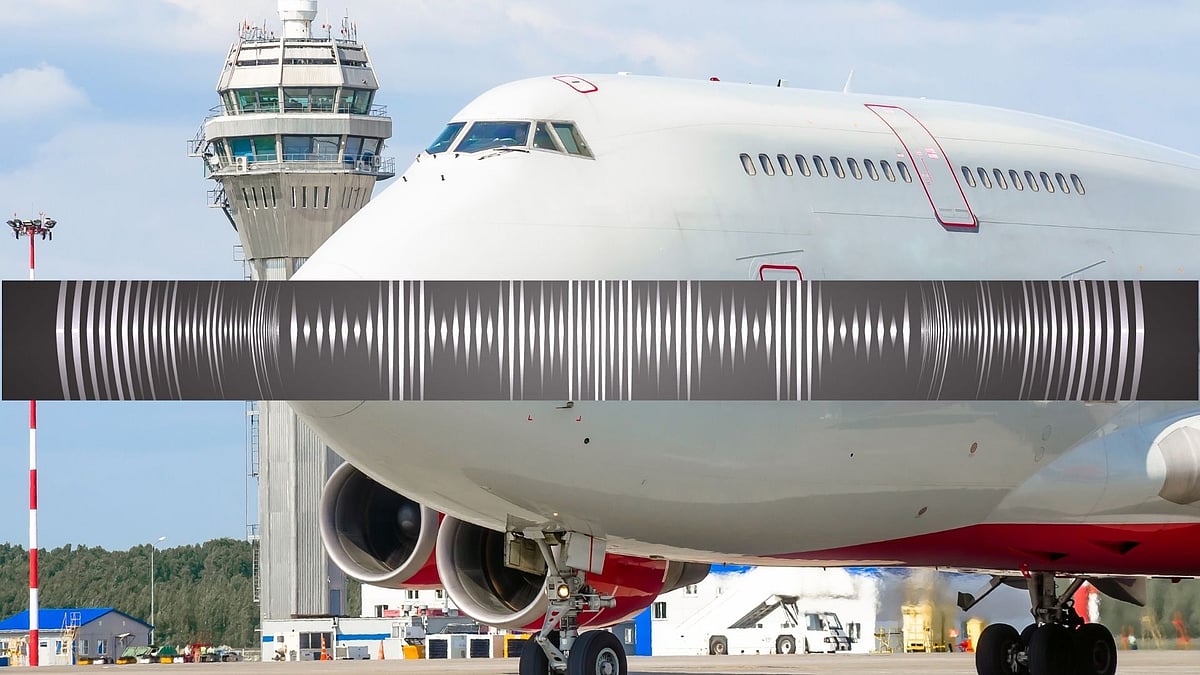
An unusual exchange between two pilots near Ronald Reagan Washington National Airport has sparked widespread attention online after recordings captured them making animal sounds over an active aviation radio frequency.
The incident, which took place on April 12, quickly went viral after audio surfaced showing pilots meowing and barking while communicating on air traffic control channels, prompting an immediate reprimand from controllers.
Viral audio captures unprofessional radio exchange
According to recordings circulating online, the pilots began mimicking animal noises during routine communication. Instead of standard aviation terminology, one pilot repeatedly said, “meow meow,” while another responded with barking sounds.
An air traffic controller monitoring the frequency intervened mid-exchange, urging the pilots to maintain professionalism and reminding them that radio communications must remain operationally focused.
Despite the warning, the noises reportedly continued, drawing a sharper response from the controller, who made a remark referencing regional jet operations, a comment often interpreted within aviation circles as a jab at less-experienced crews.
FAA investigation underway
The viral recording prompted an investigation by the Federal Aviation Administration (FAA), which reiterated that pilots are prohibited from engaging in non-essential conversations during critical phases of flight. According to the report by The New York Times, aviation safety regulations require cockpit communication to remain strictly focused on aircraft operations to avoid distractions and maintain airspace safety.
This safety regulation exists to minimise distractions during critical phases of flight such as taxiing, takeoff, and landing, ensuring that all communication relates directly to aircraft operations and passenger safety.
While no safety risk or operational disruption has been reported, aviation experts say misuse of radio frequencies can interfere with essential instructions and reduce situational awareness for other aircraft sharing the same airspace.
Not the first time aviation frequencies drew attention
Although rare, similar moments have surfaced before. A widely shared 2021 recording from a military exchange over the South China Sea included an unexpected “meow” following a formal warning issued during a tense interaction between Chinese forces and a US Navy aircraft near the disputed Spratly Islands.
The clip drew online fascination because it contrasted sharply with the normally disciplined and procedural nature of aviation communication.
RECENT STORIES
-
-
-
-
-