'Itne Me M**t Nikal Jaata Hai Inka..': Influencer Nakul Dhull's Viral Video Sparks Outrage Over ‘Stalking Women As Confidence Boost’ - Video
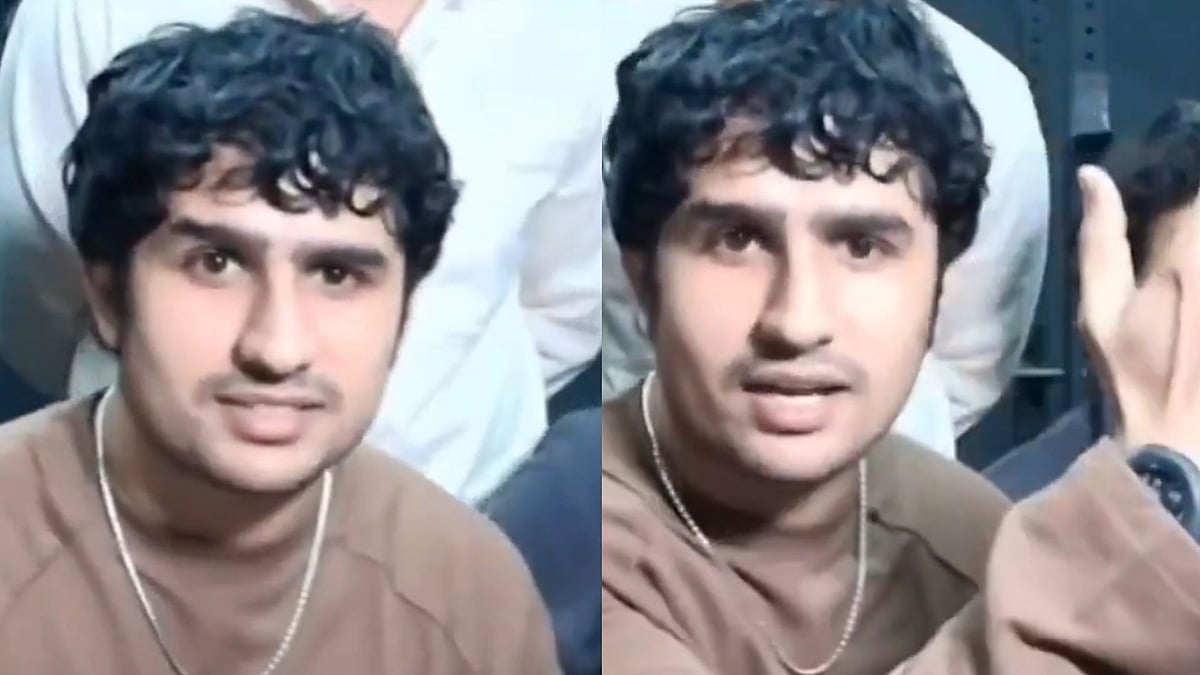
Influencer Nakul Dhull sparked outrage after a viral video showed him advising a young follower to follow and scare women at night to boost confidence. Critics say the remarks normalise stalking and trivialise harassment under the guise of comedy. The controversy has reignited debate over influencer accountability, toxic masculinity, and the responsibility of digital creators

X
In today’s digital economy, where “clout” often outweighs conscience, the difference between edgy humour and outright incitement is becoming alarmingly blurred. A recent viral video by influencer Nakul Dhull has triggered widespread criticism and reignited debate around accountability in India’s creator ecosystem.
With over a million followers across platforms, Dhull commands significant influence. But critics argue that his latest advice to a young, insecure follower crossed a dangerous line.
The viral clip that crossed the line
The controversy began when a young boy reached out to Dhull expressing insecurity about his appearance and fear of speaking to women. Instead of suggesting self-improvement, communication skills, or confidence-building strategies, the influencer proposed something far more troubling.
In the now-circulating clip, Dhull says, “Arre inse darne ki zarurat nahi hai, 11 baje inko follow karo, chedna mat bas follow karo, peeche chalo, phir tez tez inke peeche bhaago aur inko bhaagte bhaagte overtake karlo, inka m**t ussi mein nikal jata hai.”
Roughly translated, the advice encourages following women late at night, running behind them, and overtaking them to scare them, suggesting that their visible fear would serve as a confidence boost. What might have been framed as a “joke” was widely perceived as normalising stalking and harassment.
When “Comedy” normalises intimidation
Supporters often dismiss such remarks as humour. “It’s just a prank” or “He didn’t tell anyone to touch them” are common defences. However, experts and activists have long warned that harassment doesn’t begin with physical contact, it begins with.
Deliberately triggering someone’s fear response for amusement or ego validation is not harmless. It reinforces the idea that women’s safety and comfort are secondary to male validation. By positioning fear as entertainment, content creators risk sending a dangerous message to impressionable audiences: that power can be gained by making others feel powerless.
The influence of digital role models
Influencers today are more than entertainers; they are perceived mentors, especially by young followers. Many teenagers look to creators for guidance on relationships, masculinity, and self-worth.
When someone with a large platform implies that scaring women is a shortcut to confidence, it doesn’t remain a throwaway comment. It can become behavioural validation.
India already struggles with issues related to street harassment and stalking. According to official crime data, thousands of stalking cases are reported annually under Section 354D of the Indian Penal Code. Against that backdrop, casual remarks about “following women at 11 PM” are not just tone-deaf, they are socially irresponsible.
True confidence isn’t built by instilling fear. It is built through self-respect, emotional intelligence, communication skills, and personal growth. Strength should be measured by one’s ability to make others feel safe, not unsafe.
RECENT STORIES
-
-
-
-
-