In-Depth: Is A Fed Rate-Cut Good Or Bad For India?
The US Federal Reserve is anticipated to reduce interest rates. But will that be good or bad for India?

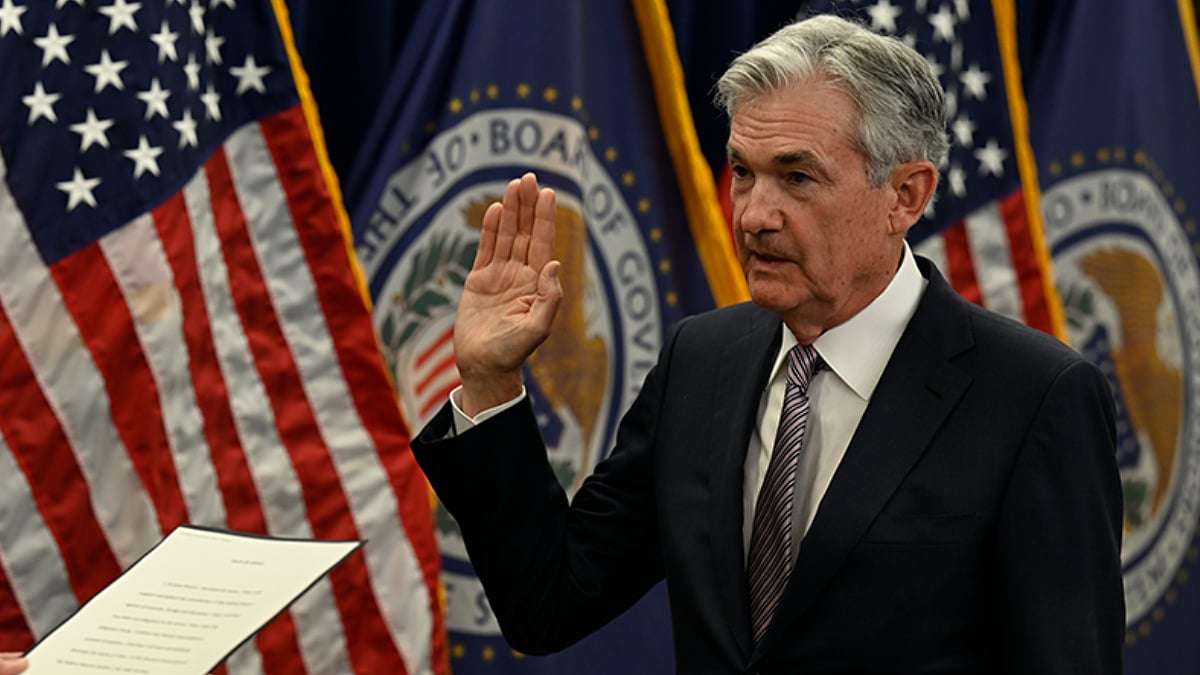
US Federal Reserve Chairman Jerome Powell | US Federal Reserve
The last fortnight has given ample coverage to US Federal Reserve, at least the reports of US markets in major Indian news-websites. The Nasdaq has gained consistently in the last five trading sessions and so has the Dow Jones. And many analysts were willing to bet that the American banking regulator could announce a big decision.
The decision of the US Federal Reserve has also been tracked by commodity traders - mostly Gold and Silver observers. Gold rates rallied in American spot markets on all days of the five trading sessions except one. As of the time of writing this story, futures Gold prices were quoting $3,688 per contract - a troy ounce. One troy ounce is 31.10 grams. Although Gold tracks comments and decisions made by the US Federal Reserve, there's more factors responsible for a steep rally in gold rates. Gold rate futures were already quoting 43 percent higher than in the last 12 months.
ALSO READ
The markets seem to have already factored an interest rate cut in September and one more before 2025 ends. Besides polls of economists by Reuters and Bloomberg that proved a majority of them believing in the prospects of a rate-cut, US President Donald Trump had blamed Jerome Powell for the latter's reluctance to reduce rates.
How does it affect the average Joe?
Among economists, a large consensus believes that a higher inflation is a significant cue for the US Fed to tame it with lower interest rates. However, there were also some who contested the logic stating that latest inflation numbers were not drastic enough to demand an interest-rate cut. For the record, the reported inflation numbers were above US-Fed's 2 percent targets and deemed necessary by many pundits to control America's labor market.
An interest rate cut is likely to erode purchasing power parity. Deposit accounts are likely to fetch lower interest affecting the purchasing power of cash savings. That means that the average American, who according to data from the Bureau of Labor Statistics (announced last week) is already witnessing higher outgo on things ranging from shelter to food is likely to spend more. And savings? Well, those who wish to find a better rate than their savings and checking accounts may want to park somewhere else - Bonds, Equities, Gold, and even cryptocurrencies.
How does it affect the average Indian?
Decisions taken by the FOMC will not have a direct bearing upon Indians, rather an indirect one. The last time, America attempted experimenting with interest rates, even bringing it to near zero, a large flight of capital meant more money entered Indian markets via FPI activity, IPOs, and even FDI investments. The particular policy-rehashing in the run-up to the 2007 Financial crisis has received the US policy makers significant flak. That, more for doing little to avert the 2008 Financial crisis than the capital-flight.
There is a popular theory that a drop in interest rates is likely to cause a similar out-flight towards emerging markets such as India, China, Brazil and other emerging economies. There is no clear answer on how much would the benefactor countries gain from this capital-flight given there would be calculations around Currency, and tariffs or restrictions.
How does it affect Currency Markets?
Both Gold and Bitcoin traders have been anxiously keeping an eye on the FOMC updates. And both are at their all-time highs. The BTC had in July set an all-time high of $116,000 levels. As of the time of publishing this story, BTC was quoting $115,057.07 as per data from Coinmarketcap, an exchange.
Fundamentally, when interest rates are lowered, the issuing country's currency loses its sheen. This was witnessed during the peak of the 2020 pandemic when the US Dollar pared down interest rates - the streets behaved giving the American dollar a decline. However, in the long term the US Dollar managed to hold thanks partly to the fact that it is one among the reserve currencies in the world and secondly institutions such as IMF swung in. The latter because it is one of their objectives to ensure smoother currency operations.
Wouldn't that affect America?
Many may wonder that an interest-rate cut could result in the US greenback slipping and then the markets crashing and what not. Some of those outrageous thoughts could be all but naive assumptions. Since America is the de facto issuer of the world's leading reserve currency, aka the US-Dollar, it is likely to continue printing more dollar bills to meet the world's demands. And while it does, it may also issue T-bills or Treasury bills which may be aggregated by scores of investors - including countries such as China and Japan. Those were two countries that held the most T-bills at the peak of the financial crisis in 2007-08.
The big question that matters now is not whether the US-Fed would revise the interest rates, it is by what margin would the rates be reduced.
Disclaimer: This article is solely for educational purposes. This article should not be construed as financial advice.
RECENT STORIES
-
-
-
-
-