Google To Punish Battery-Draining Apps With Reduced Recommendation Visibility, Warning Labels
Apps that defy Play Store rules risk reduced visibility on recommendation surfaces and a warning label on their store listings, alerting users to potential battery issues.

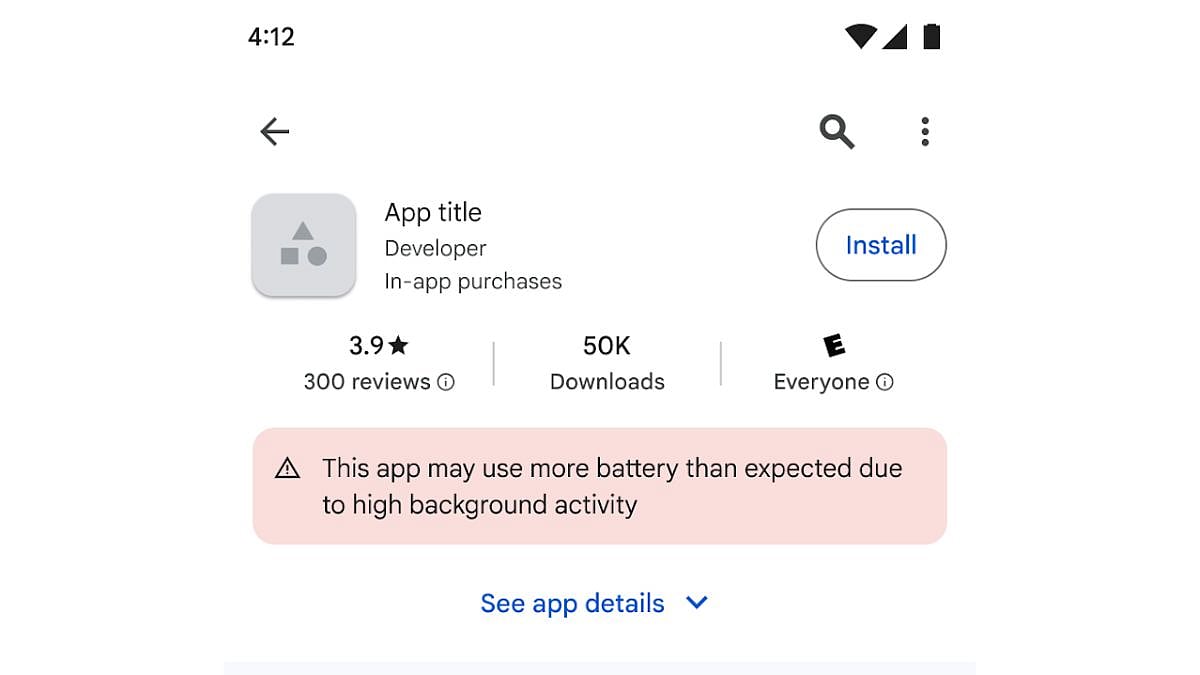
Google has outlined new measures in its Play Store policies to target apps that contribute to excessive battery consumption, focusing on the misuse of partial wake locks. These changes, part of broader efforts to enhance Android device performance, will take effect from 1 March 2026.
Partial wake locks allow apps to keep a device's CPU running even when the screen is off, which is useful for tasks such as music playback or data syncing. However, prolonged or unnecessary use can lead to significant battery drain. To counter this, Google is promoting the 'excessive partial wake locks' metric to general availability in Android Vitals, a tool for developers to monitor app health. The metric flags usage as excessive when non-exempt wake locks accumulate more than two hours in a 24-hour user session, with exemptions for system-level activities that provide clear user benefits.
How will Google punish apps that drain battery?
Under the updated Play Store policies, this metric joins existing core technical quality standards, including crash rates and application not responding errors. Apps that exceed the threshold – defined as affecting more than five percent of user sessions over 28 days – risk reduced visibility on recommendation surfaces and a warning label on their store listings, alerting users to potential battery issues. For wearables, the policy sets a separate limit of 4.44 per cent battery usage per hour during active sessions.
The initiative stems from collaboration with Samsung and aims to encourage developers to build more efficient apps. Google has enhanced Android Vitals with a new table detailing wake lock durations by tag, helping identify problematic code. Developers receive direct alerts and access to updated documentation for fixes, with no new application programming interfaces required.
Enforcement begins in March 2026, giving developers time to review and adjust their apps. Google states these steps will promote transparency on battery impact while maintaining functionality for essential features.
RECENT STORIES
-
-
-
-
-