Pune: Religious Waste Dumping Raises Alarm At Yerawada Bridge Stretch Of Mutha River; Residents Seek Action
Several measures have been suggested to address the issue, including the installation of Nirmalya collection bins and waste management systems along riverbanks, composting of collected floral waste, awareness campaigns through various media, promotion of eco-friendly religious practices, and stricter monitoring at sensitive locations

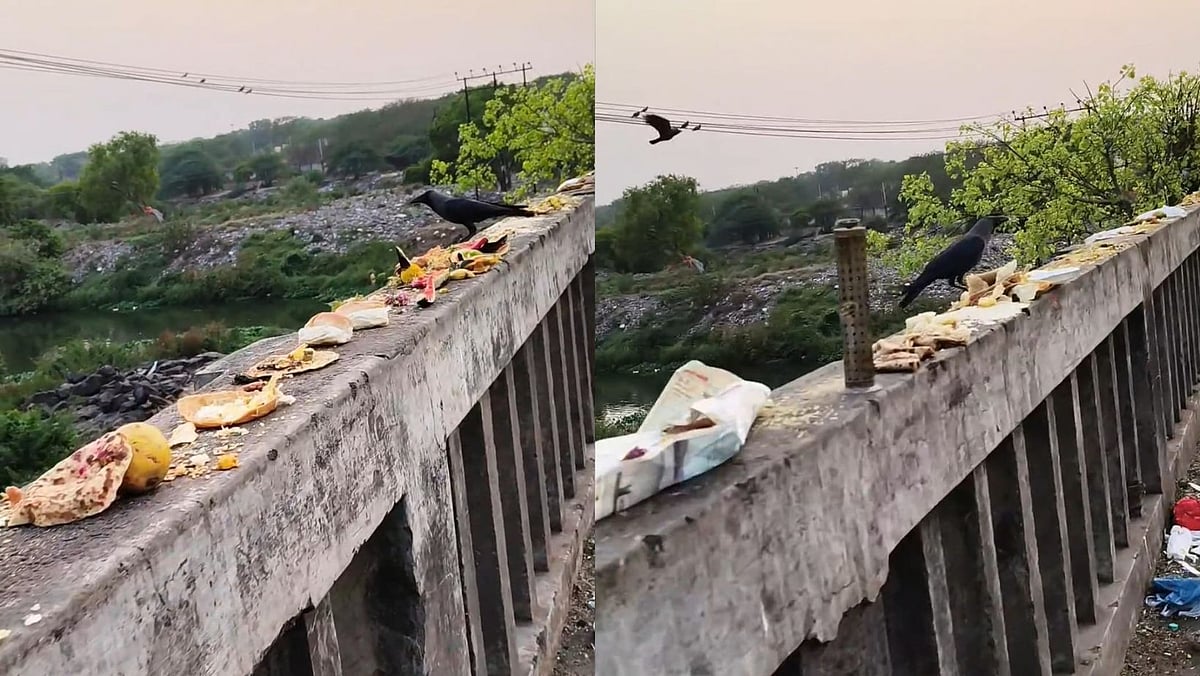
Pune: Religious Waste Dumping Raises Alarm At Yerawada Bridge Stretch Of Mutha River; Residents Seek Action | Sourced
The Mutha River near the Shantinagar-Yerawada bridge in Pune is seen filled with religious waste being regularly dumped into it.
Sachin Bhosale, a social activist, said that a large number of citizens visit the riverbank and directly dispose of garlands, flowers, incense sticks, images of deities, food grains, chapatis, vegetables, and other religious materials into the river. This practice is polluting the water and adversely affecting the environment.
Expressing concern, Bhosale added, “We have been campaigning to keep our rivers clean, to save the environment, and to preserve the trees along the riverbanks. However, the necessary level of public awareness among citizens has not yet been achieved. It is imperative that we urgently intensify these awareness efforts.”
ALSO READ
'Situation has become increasingly alarming'
He further said, “Alongside raising public awareness, it is equally important to provide alternatives. If appropriate dustbins and Nirmalya (religious waste) collection centres are established along the riverbanks, citizens will utilise these facilities to dispose of their religious waste, preventing river pollution.”
The situation has become increasingly alarming, with visible signs of environmental degradation. The river water is getting polluted, aquatic life is under threat, foul odour is spreading in nearby areas, and the trees along the riverbanks are also at risk.
'Our river is our very lifeline'
Appealing to citizens, Bhosale said, “Our river is our very lifeline. It is our collective responsibility to keep it clean for the next generation. We must uphold our religious traditions, but in doing so, we must also safeguard the environment.”
Kailas Gondhle, a local resident, said, “We regularly see people dumping religious waste into the river near the bridge. This is not just about faith; it is about responsibility. Without proper facilities like Nirmalya collection bins, people will continue this practice. Authorities must act immediately.”
'Proper arrangements must be made'
Sheetal Sawant, a resident of Yerawada, said, “The condition of the river is getting worse day by day. There is a foul smell, and it is becoming unhygienic for people living nearby. Awareness is important, but along with that, proper arrangements must be made by the administration.”
Sujit Takle, another local resident, added, “We respect our traditions, but harming the environment in the name of religion is not right. If the government provides eco-friendly alternatives and proper disposal systems, citizens will definitely cooperate.”
Several measures have been suggested to address the issue, including the installation of Nirmalya collection bins and waste management systems along riverbanks, composting of collected floral waste, awareness campaigns through various media, promotion of eco-friendly religious practices, and stricter monitoring at sensitive locations.
Citizens and activists have emphasised that protecting the river and the environment is a shared responsibility and requires coordinated efforts from both the administration and the public.
RECENT STORIES
-
-
-
-
-