India’s Inland Fisheries Could Create 1.8 Crore Jobs, Village Ponds Hold $40 Billion Potential
A Jaljeevika and Change Engine report says India could double inland fish output to 30 million tonnes, create 1.8 crore jobs and add about USD 40 billion to the economy over a decade.

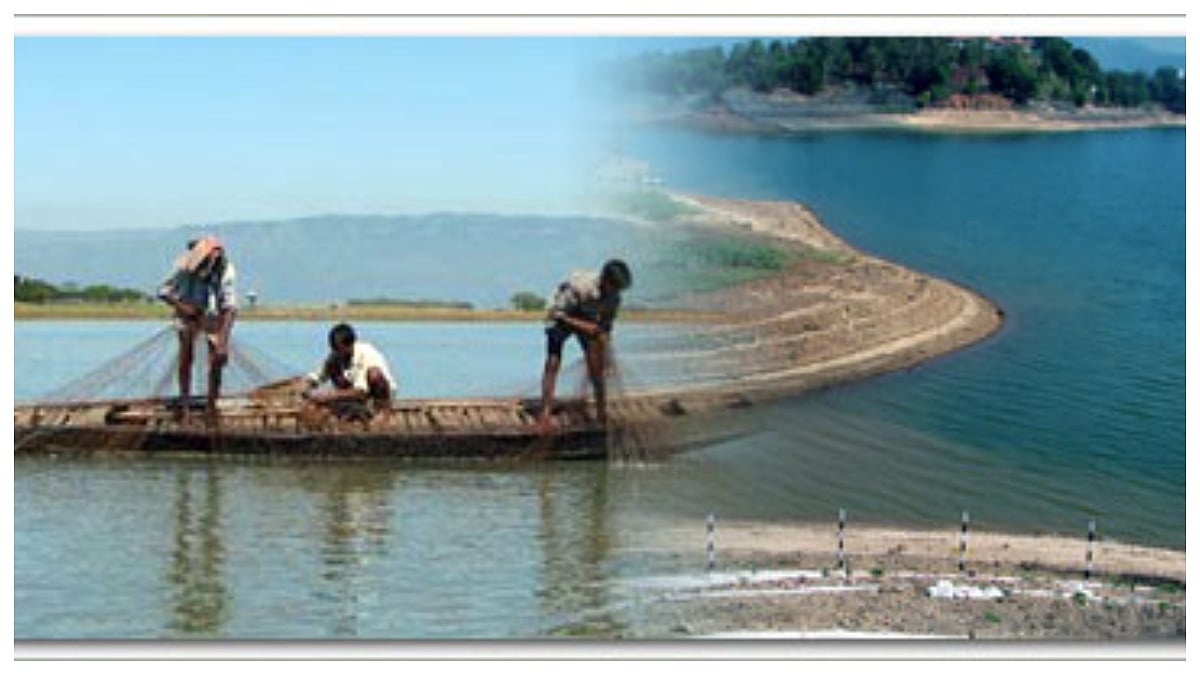
A Jaljeevika and Change Engine report says India could double inland fish output to 30 million tonnes. | Representaional Image
New Delhi: India could double inland fish production from 15 million tonnes to 30 million tonnes over the next decade, creating 1.8 crore jobs and adding about USD 40 billion to the economy, according to a report by Jaljeevika and Change Engine.
The report identifies village ponds, tanks, wetlands and reservoirs as an untapped source of rural income. It expects women to be among the biggest beneficiaries.
Five States Hold Key
Inland waters supply 75 percent of India’s fish, up from 63 percent in 2014. Yet they yield just 1.86 tonnes per hectare, against the government’s target of five tonnes. Andhra Pradesh has already crossed that benchmark, the report says.
Bihar, Odisha, Telangana, Karnataka and Tamil Nadu account for nearly half of India’s inland water area but produce only a fifth of its inland fish. Yields in these states range from 0.39 to 0.97 tonnes per hectare. Raising them to 2.5 tonnes could deliver more than half the additional output needed to reach 30 million tonnes.
Rural Incomes Rise
About 2.3 crore people already practise inland fish farming, with women accounting for 44%, the report estimates. Households earn ₹60,000 to ₹1.2 lakh a year from the activity, mostly as a second income. The report links every 10% rise in production to an 8.2% increase in employment.
In Bihar, annual fish farming income rose from ₹30,000 to ₹1 lakh for 2,622 small farmers. In Odisha, about 92,000 women across more than 9,000 self-help groups earned roughly ₹10,600 each in additional income by farming fish in unused village tanks.
Pond Leases and Investment
The report proposes state-level aquatic livelihoods missions to coordinate planning across fisheries, rural development and water resources departments. It estimates hatcheries and nurseries would need ₹7,000 crore in investment and calls for cold storage, collection centres and processing units near production clusters.
ALSO READ
It also recommends allowing gram panchayats to lease village ponds and tanks for more than five years, with priority for local women’s self-help groups, fisher groups and cooperatives. A rent-free first year and caps on subsequent rent could ease entry costs.
The report also calls for bank credit and training for local workers to advise farmers on stocking, water quality and disease prevention.
Level up your brain the fun way. Play daily games and quizzes on FPJ Smart!
RECENT STORIES
-
-
-
-
-