Tata Memorial Study Finds Radiation Therapy Reduces Hard-To-Treat Bladder Cancer Recurrence By Over 50%
A Tata Memorial Hospital-led BART trial across four Indian centres over eight years found that modern radiotherapy after bladder cancer surgery is safe and reduces pelvic recurrence by over 50%. The study of 153 patients reported less than 5% severe side effects and full treatment completion. Published in Journal of Clinical Oncology, it shows a cost-effective alternative improving outcomes.

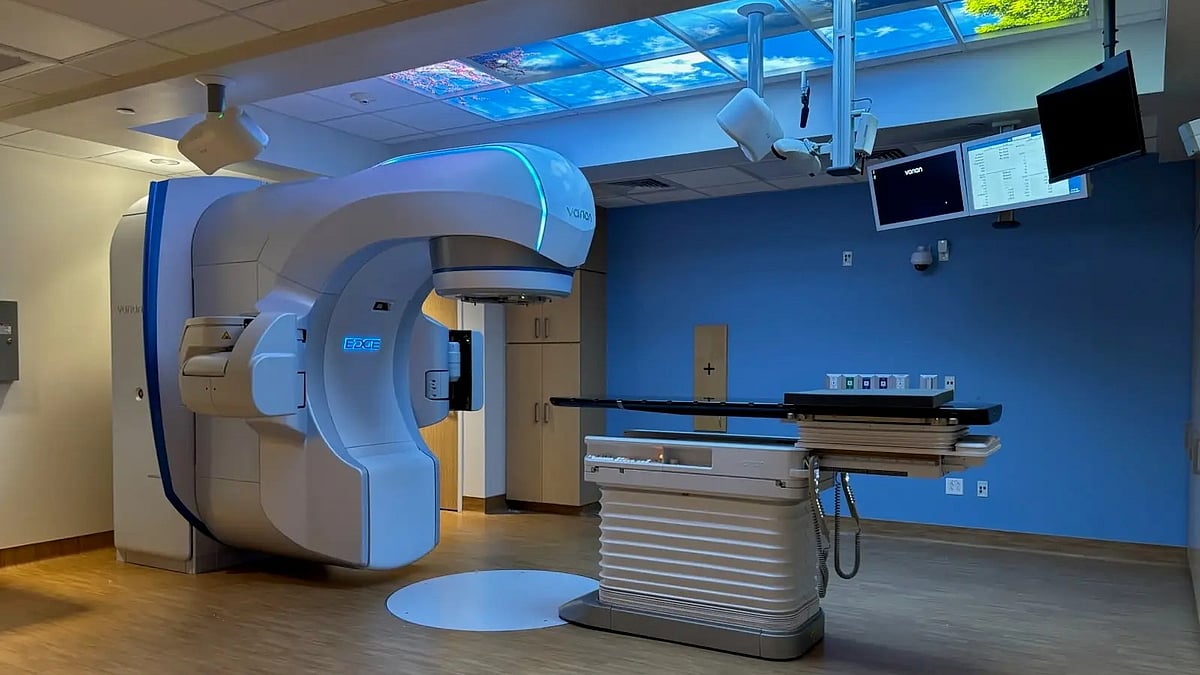
Tata Memorial Study Finds Radiation Therapy Reduces Hard-To-Treat Bladder Cancer Recurrence By Over 50% | File Pic (Representative Image)
Mumbai: A major clinical trial led by Tata Memorial Hospital, Mumbai, has shown that modern radiation therapy after bladder cancer surgery is safe, effective, and prevents cancer recurrence. The BART (Bladder Adjuvant Radiotherapy) trial was conducted across four Indian cancer centres, including Tata Memorial Hospital, Mumbai and Varanasi centre over eight years and enrolled 153 patients. The findings, published in the Journal of Clinical Oncology, demonstrate that world-class cancer research comes from India.
Why does this matter? About a quarter of bladder cancer patients develop recurrence in the pelvis after surgery—a site where treatment options are severely limited. When cancer recurs there, survival is typically seven months. The BART trial shows radiation reduced this risk by more than half.
"Modern radiation machines are completely different from what patients fear," says Dr Vedang Murthy, lead investigator of the BART trial from Tata Memorial Hospital. "Today's precision radiation targets only cancer cells while sparing healthy tissue."
The study results are reassuring: less than 5% of patients experienced severe side effects that improved after treatment ended. Importantly, all patients completed the full course without stopping due to side effects.
Modern radiation therapy completes in six weeks. Newer immunotherapy drugs, while beneficial for some patients, are expensive—costing lakhs of rupees—require ongoing treatment for months or even a year, and carry their own significant side effects. For many Indian patients, these expensive, prolonged treatments remain out of reach. Radiation therapy, delivered in six weeks with fewer side effects, offers an effective and accessible alternative. Radiation is precise, available in most cancer centers across India, and far more affordable. For patients and families facing bladder cancer, it represents real hope.
ALSO READ
This research is significant because it addresses a real problem faced by Indian patients every day. It was conducted in Indian hospitals by Indian doctors and published in a top global journal—proving that breakthrough cancer research comes from India.
Bladder cancer is considered a relatively less common cancer in India, but it is more frequently seen in men. According to cancer registry data and global studies, bladder cancer accounts for approximately 1–3% of all cancer cases in India. The incidence in men is several times higher than in women.
To get details on exclusive and budget-friendly property deals in Mumbai & surrounding regions, do visit: https://budgetproperties.in/
RECENT STORIES
-
-
-
-
-