SGNP’s ₹10,000 Annual Morning Walk Fee Sparks Outrage Among Borivali Residents & Regular Visitors
Sanjay Gandhi National Park in Mumbai has raised its annual ‘prabhat pheri’ fee from ₹348 to ₹10,000, effective May 2026, as per a forest department circular. Officials said the hike aims to improve infrastructure and manage crowds. However, regular walkers and Mumbai March members criticised the steep increase, calling it unjustified and burdensome.

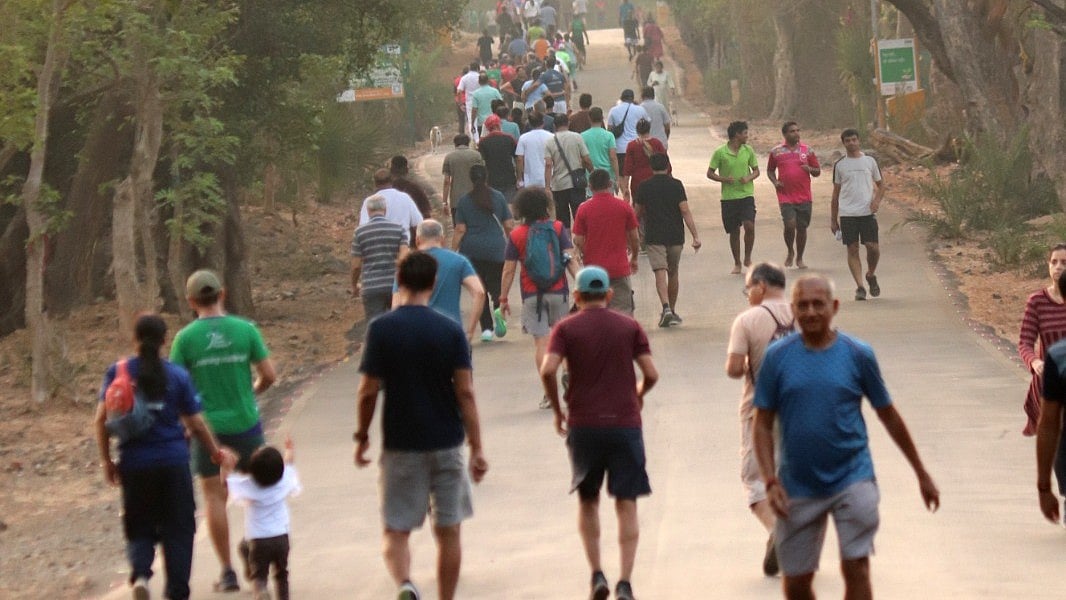
SGNP’s ₹10,000 Annual Morning Walk Fee Sparks Outrage Among Borivali Residents & Regular Visitors |
Mumbai: Morning walkers at the Sanjay Gandhi National Park (SGNP), Borivali, have expressed shock over the park's new visitor tariffs, which go up to Rs 10,000 for an annual pass to use the forest road for a two-hour morning walk.
The revised fees, set to come into effect from May 2026, follow an official circular issued by park authorities citing administrative updates and operational requirements. According to the notification, entry fees, transportation charges, and rates for popular attractions within the park have been rationalised. This includes revised pricing for guided tours, safari services, and internal transport systems such as buses and mini-trains.
The fee for visiting the lion and tiger safari has been increased from Rs 250 to Rs 750 (Rs 125 to Rs 375 for children). A ride on the mini train will now cost Rs 300, compared to Rs 100 earlier. Similarly, bus tickets from the park entrance to the Kanheri Caves have been hiked from Rs 100 to Rs 300. However, the new fees for ‘prabhat pheri’ have risen sharply from Rs 348 to Rs 10,000 annually (Rs 1,000 monthly). Senior citizens can pay Rs 500 per month or opt for an annual pass priced at Rs 5,000.
Gopal Zaveri, a Borivali resident and regular walker at the park, said the new fees had left him stunned. “I thought it was a joke until I saw the circular,” said Zaveri.
According to Mumbai March, a citizens’ group promoting environmental restoration, between 3,000 and 5,000 people from suburbs such as Borivali, Kandivali and Dahisar use the park for morning walks between 5:30 am and 7:30 am. Exceeding the time limit attracts a fine. Athletes training for long-distance running also use the six-kilometre stretch from the park entrance on the Western Express Highway to the Kanheri Caves.
Officials indicated that the revision aims to streamline visitor management while ensuring the upkeep of infrastructure and conservation initiatives. SGNP, one of Mumbai’s most prominent ecological reserves, attracts thousands of visitors, making maintenance and crowd regulation key priorities. Authorities stated that the new rates align with broader efforts to enhance visitor experience while maintaining ecological balance. Improvements in amenities, safety measures and conservation awareness programmes are expected to accompany the revised pricing.
However, walkers said the hike was unjustified. “Five members of my family use the park for walking. What are they levying these fees for? Walkers have contributed to facilities such as drinking water and dustbins. There are no proper toilets, and there are not enough guards in case of a leopard attack—though such cases are rare,” said Zaveri.
The Deputy Conservator of Forests (SGNP), Anita Patil, was unavailable for comment. This newspaper had a copy of the circular issued by the forest department, intimating mark users about the new fees. Anwar Jamal Ahmed, former Deputy Conservator of Forests, said he used the park for morning walks during his tenure. “I think the annual fee for using the park in the morning was around Rs 60 during my time. No doubt Mumbai is blessed with something that acts as the lungs of a congested and densely populated city,” said Ahmed.MUMBAI
Morning walkers at the Sanjay Gandhi National Park (SGNP), Borivali, have expressed shock over the park's new visitor tariffs, which go up to Rs 10,000 for an annual pass to use the forest road for a two-hour morning walk.
The revised fees, set to come into effect from May 2026, follow an official circular issued by park authorities citing administrative updates and operational requirements. According to the notification, entry fees, transportation charges, and rates for popular attractions within the park have been rationalised. This includes revised pricing for guided tours, safari services, and internal transport systems such as buses and mini-trains.
The fee for visiting the lion and tiger safari has been increased from Rs 250 to Rs 750 (Rs 125 to Rs 375 for children). A ride on the mini train will now cost Rs 300, compared to Rs 100 earlier. Similarly, bus tickets from the park entrance to the Kanheri Caves have been hiked from Rs 100 to Rs 300. However, the new fees for ‘prabhat pheri’ have risen sharply from Rs 348 to Rs 10,000 annually (Rs 1,000 monthly). Senior citizens can pay Rs 500 per month or opt for an annual pass priced at Rs 5,000.
Gopal Zaveri, a Borivali resident and regular walker at the park, said the new fees had left him stunned. “I thought it was a joke until I saw the circular,” said Zaveri.
According to Mumbai March, a citizens’ group promoting environmental restoration, between 3,000 and 5,000 people from suburbs such as Borivali, Kandivali and Dahisar use the park for morning walks between 5:30 am and 7:30 am. Exceeding the time limit attracts a fine. Athletes training for long-distance running also use the six-kilometre stretch from the park entrance on the Western Express Highway to the Kanheri Caves.
Also Watch:
Officials indicated that the revision aims to streamline visitor management while ensuring the upkeep of infrastructure and conservation initiatives. SGNP, one of Mumbai’s most prominent ecological reserves, attracts thousands of visitors, making maintenance and crowd regulation key priorities. Authorities stated that the new rates align with broader efforts to enhance visitor experience while maintaining ecological balance. Improvements in amenities, safety measures and conservation awareness programmes are expected to accompany the revised pricing.
However, walkers said the hike was unjustified. “Five members of my family use the park for walking. What are they levying these fees for? Walkers have contributed to facilities such as drinking water and dustbins. There are no proper toilets, and there are not enough guards in case of a leopard attack—though such cases are rare,” said Zaveri.
The Deputy Conservator of Forests (SGNP), Anita Patil, was unavailable for comment. This newspaper had a copy of the circular issued by the forest department, intimating mark users about the new fees. Anwar Jamal Ahmed, former Deputy Conservator of Forests, said he used the park for morning walks during his tenure. “I think the annual fee for using the park in the morning was around Rs 60 during my time. No doubt Mumbai is blessed with something that acts as the lungs of a congested and densely populated city,” said Ahmed.
To get details on exclusive and budget-friendly property deals in Mumbai & surrounding regions, do visit: https://budgetproperties.in/
RECENT STORIES
-
-
-
-
-