'Our Livelihood Is Not a Crime': Over 7 Lakh Maharashtra Pan Vendors To March At Mumbai's Azad Maidan On July 7 Over alleged MCOCA misuse
The Maharashtra Pan Vyapari Mahasangh has announced a statewide Mahamorcha at Mumbai's Azad Maidan on July 7, urging over seven lakh pan vendors to protest the alleged misuse of MCOCA and other stringent laws against small traders. The body seeks fair enforcement, protection of livelihoods, and a distinction between organised crime and legitimate retail businesses.

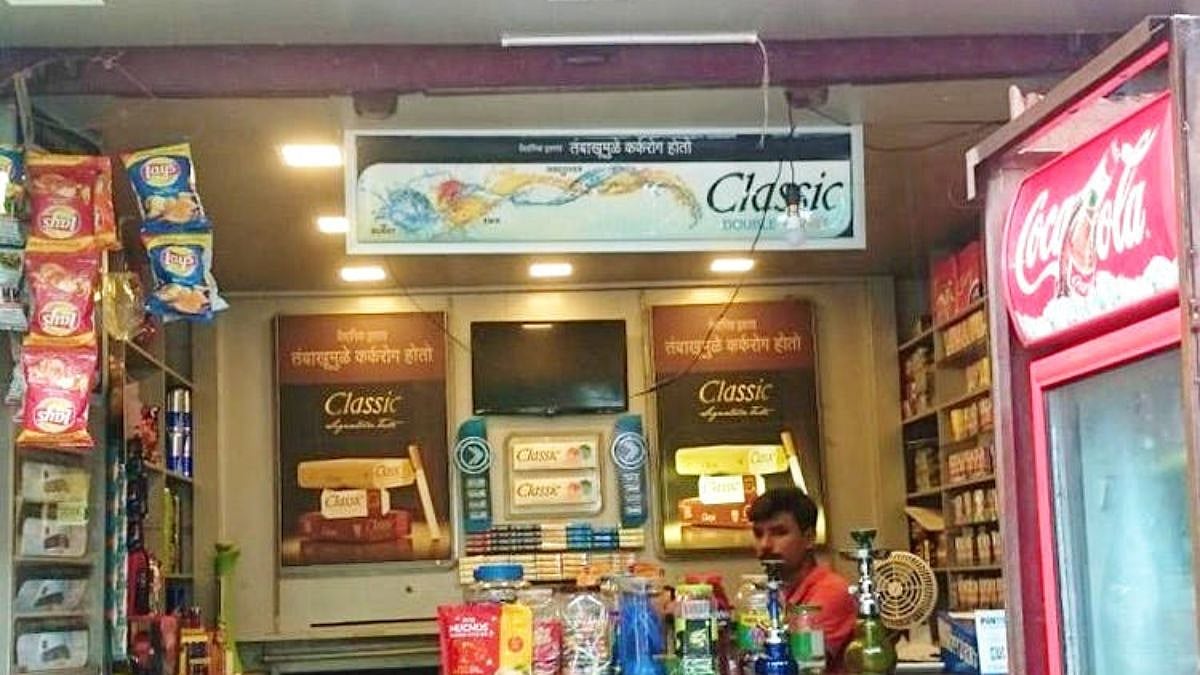
'Our Livelihood Is Not a Crime': Over 7 Lakh Maharashtra Pan Vendors To March At Mumbai's Azad Maidan On July 7 Over alleged MCOCA misuse |
Mumbai: The Maharashtra Pan Vyapari Mahasangh, representing more than seven lakh pan vendors and small retail shopkeepers across the state, has announced a massive Mahamorcha at Mumbai's Azad Maidan on July 7 to raise concerns over what it describes as the alleged misuse of stringent criminal laws, including the Maharashtra Control of Organised Crime Act (MCOCA), against neighbourhood traders.
The Mahasangh has appealed to pan shop owners and vendors across Maharashtra to voluntarily suspend business for the day and participate in the peaceful democratic protest, stating that the livelihoods of nearly 25 lakh people directly and indirectly dependent on the trade are being adversely affected.
Ajit Suryavanshi, State President and spokesperson of the Maharashtra Pan Vyapari Mahasangh, said the organisation supports strict enforcement against genuine criminal activities but believes small traders should not be treated as organised criminals.
"Our livelihood is not a crime. We are hardworking citizens who have been serving our communities for generations. MCOCA was enacted to combat organised crime syndicates. It should not be invoked against genuine neighbourhood traders who are earning an honest living through small retail businesses," Suryavanshi said.
He further questioned the regulatory inconsistency surrounding the products sold by pan vendors.
"When a product is legally manufactured, transported and sold across most parts of India and is recognised under the Food Safety and Standards framework as a standardised food product, why should it be prohibited only in Maharashtra? If the same products continue to be legally available in neighbouring states, why are only Maharashtra's small retailers facing criminal prosecution? This is a question not only for the Government but also for society at large," he said.
Suryavanshi alleged that the repeated use of stringent penal provisions has created fear among lakhs of traders.
"Instead of proceeding under the applicable food safety laws, provisions such as Section 328 have been invoked in certain cases, followed by attempts to invoke MCOCA. We believe this approach has caused immense hardship to small traders and their families. Nearly 25 lakh people directly and indirectly connected to this trade are facing uncertainty because of these actions," he added.
The organisation's legal counsel stated that the Mahasangh's concerns relate to the interpretation and application of existing law.
"Products regulated under the Food Safety and Standards Act are governed by a specific statutory framework. The legal question is whether stringent criminal provisions such as Section 328 and, subsequently, MCOCA can appropriately be invoked in matters concerning licensed retail trade. These are legal issues requiring careful judicial examination."
The legal counsel further pointed out that the Bombay High Court, in its final judgment dated September 13, 2019, in Criminal Writ Petition No. 3607 of 2019, examined the applicability of Section 328 in such matters. The issue is presently pending before the Supreme Court of India.
"Since the matter is sub judice, we will not comment on its merits. However, enforcement must remain consistent with the law as ultimately interpreted by the courts. The larger legal question remains: if a product is lawfully manufactured and available across much of the country under the prevailing statutory framework, what is the legal basis for prosecuting small retailers in one State through the application of laws intended to deal with organised crime? Our submission is not against regulation or public health measures. Our concern is that enforcement should be proportionate, legally sustainable and consistent with constitutional principles while protecting the livelihoods of lakhs of law-abiding citizens."
The Mahasangh said repeated enforcement actions have created an atmosphere of fear among pan vendors, wholesalers, distributors, transporters and thousands of families dependent on the trade.
"The Central Government has already laid down the legal framework governing these products. Governments are expected to implement the law within that framework. We are only requesting fairness, consistency and due process. Honest traders should not be made to suffer because of an interpretation that goes beyond the intent of the law," Suryavanshi said.
The organisation reiterated that the July 7 Mahamorcha will remain entirely peaceful and democratic. It said the protest is intended to initiate constructive dialogue with the Government and seek fair enforcement practices that distinguish between organised criminal syndicates and legitimate small businesses.
The Maharashtra Pan Vyapari Mahasangh has called upon pan vendors and small traders from every district of Maharashtra to assemble at Azad Maidan in large numbers and collectively appeal for legally sustainable enforcement, protection of livelihoods and equal treatment under the law.
RECENT STORIES
-
-
-
-
-