Mumbai Weather Update For Jan 10, 2026: Cool Morning Brings Brief Relief, But City’s Air Turns Unhealthy As Pollution Persists; Overall AQI At 205
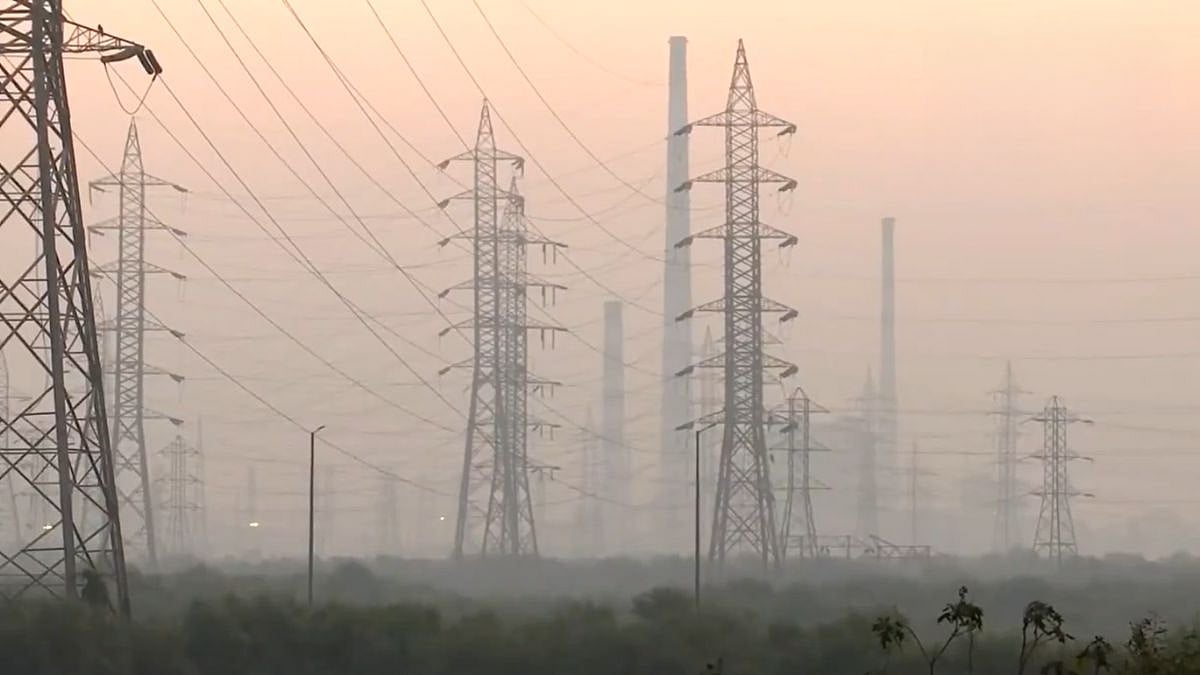
Mumbai woke up to a cooler and more comfortable Saturday morning, with IMD recording a minimum temperature of about 18°C. However, a haze lingered across several areas as the AQI touched 205. Pollution from infrastructure projects and construction dust remains a major concern for residents.

Mumbai Weather Update For Jan 10, 2026: Cool Morning Brings Brief Relief, But City’s Air Turns Unhealthy As Pollution Persists; Overall AQI At 205 |
Mumbai: Mumbai woke up to a refreshingly cool and pleasant Saturday morning, offering residents a short-lived break from the city’s typically humid weather. Clear skies, gentle breezes and comparatively lower temperatures made the early hours comfortable and inviting.
According to the India Meteorological Department (IMD), the minimum temperature dipped to around 18°C, while the maximum was expected to climb to about 32°C. These conditions made it one of the more agreeable winter days the city has experienced this season.
Overall AQI Remains Unhealthy At 205
Despite the favourable weather, environmental concerns remained firmly in focus. A noticeable haze hung over several parts of Mumbai, signalling that air pollution continues to be a serious issue. Data from air quality monitoring platform AQI.in showed the city’s overall Air Quality Index (AQI) at 205 on Saturday morning, categorising it as ‘unhealthy’. At such levels, prolonged exposure can trigger health problems, especially among children, elderly residents and those suffering from asthma or other respiratory conditions.
The sustained decline in air quality is largely due to Mumbai’s ongoing infrastructure expansion. Massive government-led projects such as metro rail construction, coastal road development, bridge works and widespread road-widening initiatives are generating major amounts of dust and fine particulate matter. These pollutants linger in the atmosphere, particularly during winter, when dry weather prevents particles from settling quickly.
Adding to the problem are numerous private real estate developments across the city. Continuous construction activity releases dust into the air, compounding the pollution load and worsening breathing conditions for residents in nearby areas.
Chembur Worst Hit In Terms Of AQI
Area-wise AQI readings highlighted stark disparities across Mumbai. Chembur emerged as the worst-affected locality, recording a severe AQI of 349. Kurla followed with an AQI of 318, while Sewri West registered 315, both falling under the ‘severe’ category. Versova and Wadala East also reported dangerously high ‘unhealthy’ readings of 315 and 312, respectively.
Suburban areas showed marginally better air quality, though conditions were still far from ideal. Bandra West recorded a ‘moderate’ AQI of 87, offering relatively cleaner air. Jogeshwari East and Govandi posted ‘poor’ readings of 110 and 117, while Borivali East and Santacruz East recorded AQIs of 123 and 140, respectively.
As per standard classifications, AQI levels between 0 and 50 are ‘good’, 51–100 ‘moderate’, 101–200 ‘poor’, 201–300 ‘unhealthy’, and above 300 ‘severe’ or ‘hazardous’.
To get details on exclusive and budget-friendly property deals in Mumbai & surrounding regions, do visit: https://budgetproperties.in/
RECENT STORIES
-
-
-
-
-