Mumbai: BMC Completes 576 Km Of Road Concretisation, Builds 681 Soak Pits Under ₹17,000-Crore Pothole-Free Initiative
The BMC has completed 576 km of the 700 km road concretisation target under its Rs 17,000-crore pothole-free initiative, achieving 81% progress. Alongside the project, 681 soak pits have been built to recharge groundwater, improve rainwater percolation and reduce waterlogging, with more planned across the remaining road stretches.

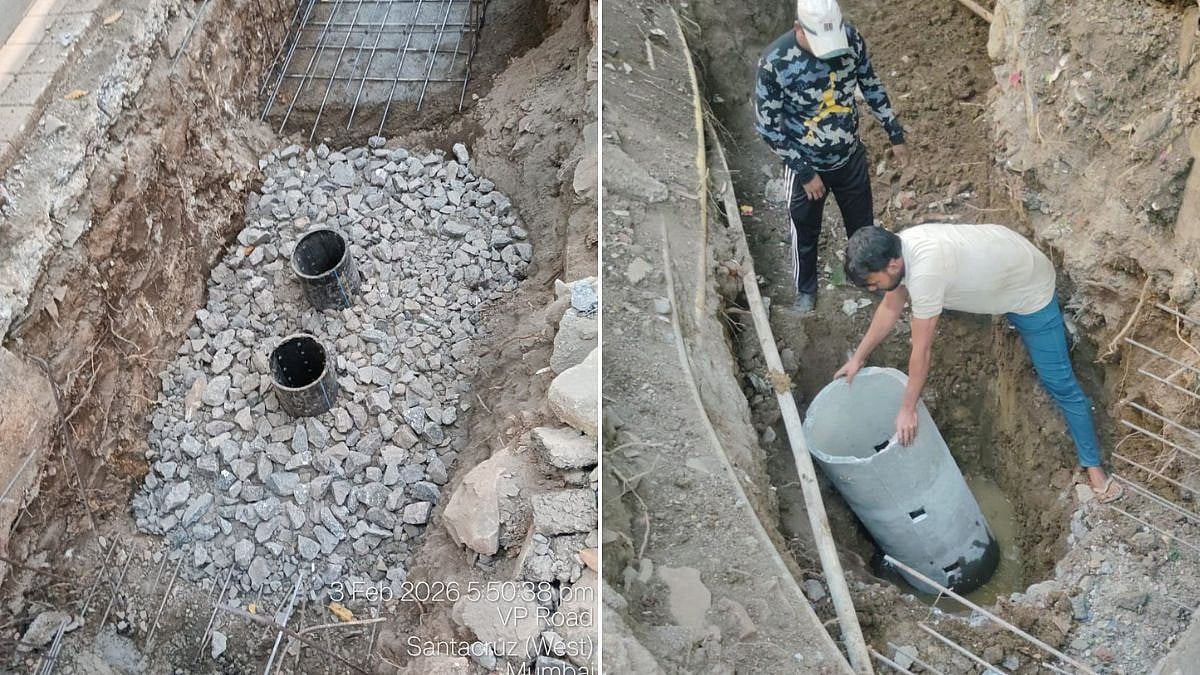
BMC's concretised roads and newly built soak pits are designed to reduce potholes, improve drainage and recharge groundwater across Mumbai | File Photo
Mumbai, July 1: Under its pothole-free roads initiative, the BMC has completed concretisation of 576 km of the 700 km of roads planned under Phases I and II, achieving 81% of the target.
As part of the project, the civic body has now constructed 681 recharge pits across the city and the suburbs to enhance groundwater recharge, facilitate rainwater percolation and reduce the load on the stormwater drainage system.
Launched in January 2023, the BMC's Rs 17,000 crore road concretisation project aims to make Mumbai pothole-free. Of the 700 km planned under Phases I and II, 576 km of roads have been concretised and opened to traffic.
Civic officials say concrete roads are more durable, less prone to monsoon potholes and require lower maintenance. To preserve natural stormwater drainage and enhance groundwater recharge, the BMC has also incorporated soak pits along the concretised road stretches.
Soak Pits Boost Drainage
Additional Municipal Commissioner (Projects) Abhijeet Bangar said, "The BMC has integrated stormwater management into its road concretisation project by constructing soak pits along concretised roads. Filled with layers of stones, gravel and sand, the pits channel rainwater into the ground, recharging aquifers, reducing runoff and waterlogging, and easing pressure on the city's stormwater drainage network."
As of March 2026, the BMC had constructed 681 soak pits across Mumbai, with more planned along the remaining road stretches to further strengthen the city's drainage system, he added.
Engineering Design Explained
The BMC is constructing soak pits along concretised roads to channel rainwater into the ground, recharge groundwater and prevent waterlogging. Explaining the design, a BMC official said the soak pits are typically 1-1.5 metres in diameter (or 1-1.5 metres square) and 1.5-3 metres deep.
They have an unpaved base and are filled with layers of coarse aggregates, gravel and sand to filter rainwater and enhance percolation, while honeycomb brick masonry or perforated RCC rings along the sides improve lateral seepage and absorption.
Also Watch:
ALSO READ
"Rainwater from roadside drains is diverted into soak pits through PVC or RCC pipes fitted with silt traps to prevent clogging. Covered with RCC slabs and inspection manholes, the pits are generally spaced 400-500 metres apart and built to engineering standards. They improve stormwater drainage, reduce waterlogging, recharge groundwater and enhance the durability of Mumbai's newly concretised roads," he added.
To get details on exclusive and budget-friendly property deals in Mumbai & surrounding regions, do visit: https://budgetproperties.in/
RECENT STORIES
-
-
-
-
-