Maharashtra Orders Revival Of Health Committees From Villages To District Hospitals To Boost Public Healthcare Delivery
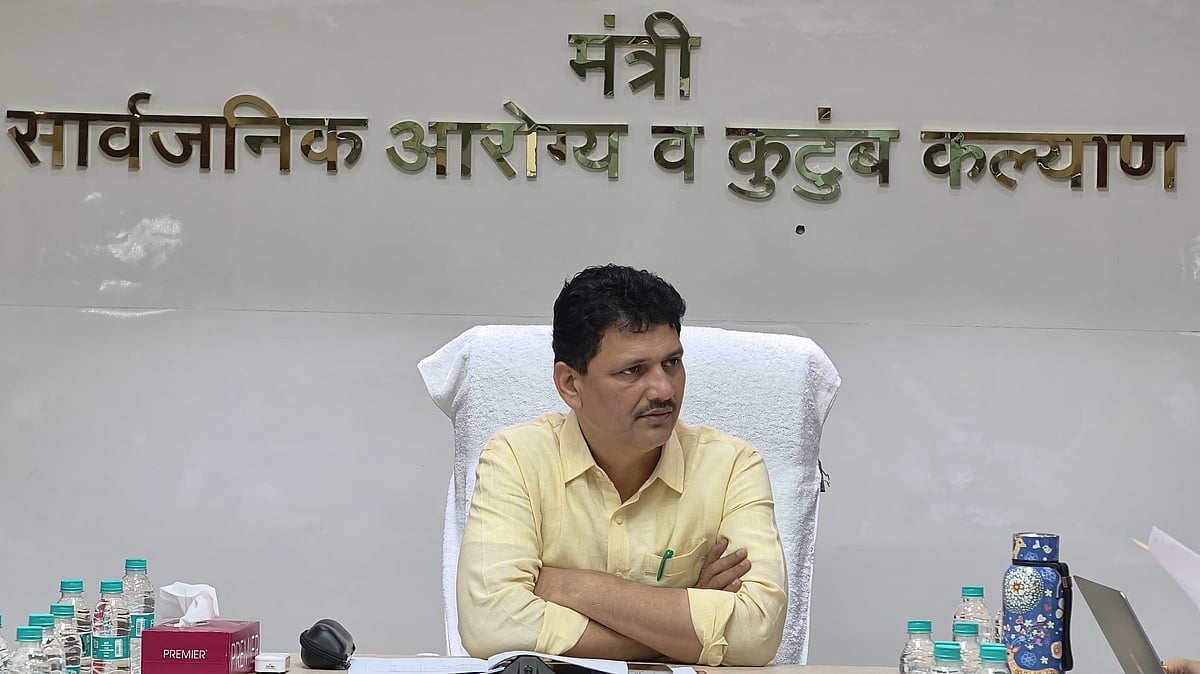
Maharashtra Health Minister Prakash Abitkar has directed revival of health committees from sub-centres to district hospitals to improve service delivery. He said bodies like RKS, JAS, MAS and VHNSC are key to monitoring quality and implementing schemes. The move aims to boost accountability, community participation, and healthcare outcomes, according to officials.

Maharashtra Orders Revival Of Health Committees From Villages To District Hospitals To Boost Public Healthcare Delivery |
Mumbai: Maharashtra Health Minister Prakash Abitkar has directed the revival of all health-related committees operating from sub-centres to district hospitals to strengthen service delivery and ensure better healthcare for citizens.
The minister emphasized that committees such as the Rogi Kalyan Samiti (RKS), Jan Arogya Samiti (JAS), Mahila Arogya Samiti (MAS), and Village Health, Nutrition and Sanitation Committee (VHNSC) play a crucial role in monitoring healthcare quality and ensuring effective implementation of public health schemes. Revitalising these bodies, he said, would significantly improve accountability and service outcomes across both rural and urban areas.
Under the Public Health Department, various schemes are implemented to provide healthcare services to citizens. Committees like VHNSC in rural areas and MAS in urban areas are instrumental in addressing sanitation, nutrition, water supply, and primary healthcare needs. Meanwhile, JAS and RKS focus on patient-centric services, quality standards, and transparent utilisation of funds within health institutions.
The minister outlined detailed guidelines for the composition of these committees to ensure broad-based community participation. In rural VHNSCs, members are expected to include sarpanches, gram panchayat members (preferably women), self-help groups, youth representatives, social organisations, and beneficiaries such as pregnant and lactating women. Similarly, MAS committees in urban areas will consist of up to 20 women from local communities, particularly slum areas, with a focus on leadership and social commitment.
JAS committees at sub-centres, primary health centres, and urban health facilities will include elected representatives, NGO members, youth volunteers, and community stakeholders. RKS committees at district, sub-district, and rural hospitals will comprise elected representatives, NGO members, donors, and eminent citizens.
Also Watch:
Highlighting the importance of public participation, Abitkar urged elected representatives, officials, healthcare staff, and citizens to actively engage in the revival process. He stressed that regular meetings, capacity building, inter-departmental coordination, and timely action plans would help address local healthcare challenges effectively.
The minister expressed confidence that strengthening these committees would enhance public trust in the healthcare system and lead to improved health outcomes across the state.
To get details on exclusive and budget-friendly property deals in Mumbai & surrounding regions, do visit: https://budgetproperties.in/
RECENT STORIES
-
-
-
-
-