Maharashtra Govt Orders Permanent Closure Of 116 Revenue-Managed Sub-Jails Across State, Ends Magisterial Jail Era
The Maharashtra government has ordered the permanent closure of 116 sub-jails managed by the Revenue Department, including 36 operational facilities. Inmates will be shifted to district and central prisons. The move follows a 2023 study group report, with authorities citing the declining relevance of magisterial jails as most such cases are now handled by police under the BNSS framework.

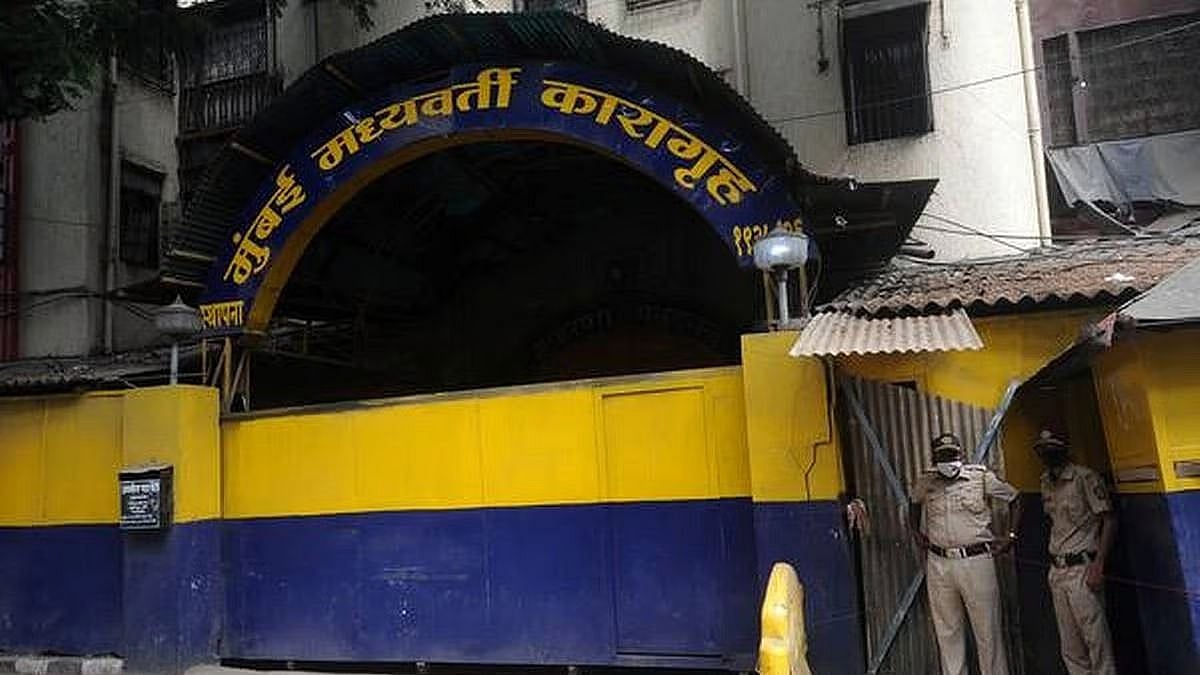
Maharashtra Govt Orders Permanent Closure Of 116 Revenue-Managed Sub-Jails Across State, Ends Magisterial Jail Era | Free Press Journal
Mumbai: The Maharashtra government has decided to permanently close 116 sub-jails across the state that were managed by the Revenue Department. The government noted that 80 of these sub-jails were already non-operational, while the remaining 36, though functional, were in poor condition. The decision marks the complete closure of magisterial jails, which were primarily used under orders issued by District Magistrates, Sub-Divisional Magistrates, and Taluqa Magistrates.
Also Watch:
Inmates lodged in these sub-jails, mostly under chapter proceedings dealing with civil offences, will now be shifted to district or central jails, where hardened criminals are also housed.
A Government Resolution (GR) issued on Friday stated that the Sub-Jail Rule Book, 1952, has also been annulled.
The concept of sub-jails originated from the authority exercised by the Revenue machinery, which includes the District Collector (who also functions as the District Magistrate), the SubDivisional Officer (SDO), who serves as the SubDivisional Magistrate, and the Tahsildar, also known as the Taluqa Magistrate. These officers dealt with minor offences, mostly of a civil nature, where police intervention was not required.
ALSO READ
Under the powers vested in these magistrates by the Criminal Procedure Code (CrPC), chapter proceedings were initiated against individuals who disrupted public order, breached the peace, or were likely to commit a wrongful act. The CrPC has now been replaced by the Bharatiya Nagarik Suraksha Sanhita (BNSS). Persons produced before magistrates were required to furnish a bond of surety for good behaviour. If they failed to do so, they could be ordered to remain in sub-jails until they complied. Individuals booked under various sections of the CrPC for creating public disorder or nuisance could also face similar detention.
With most such cases now handled by the police, the concept of sub-jails has become obsolete, said a retired Revenue Department officer who previously served as a magistrate.
The government’s decision follows the recommendations of a study group appointed in 2023 to examine the functioning of sub-jails. The Additional Chief Secretaries of the Home and Revenue Departments reviewed the group’s report, following which the final decision was taken.
To get details on exclusive and budget-friendly property deals in Mumbai & surrounding regions, do visit: https://budgetproperties.in/
RECENT STORIES
-
-
-
-
-