FPJ Exclusive: Trupti Bhoir On Global Success Of Paro, Exposing Bride Trafficking & Taking Survivor Voices To National Platforms
Filmmaker, actor, and activist Trupti Bhoir opens up about the emotional, political & creative journey behind her internationally acclaimed film Paro.

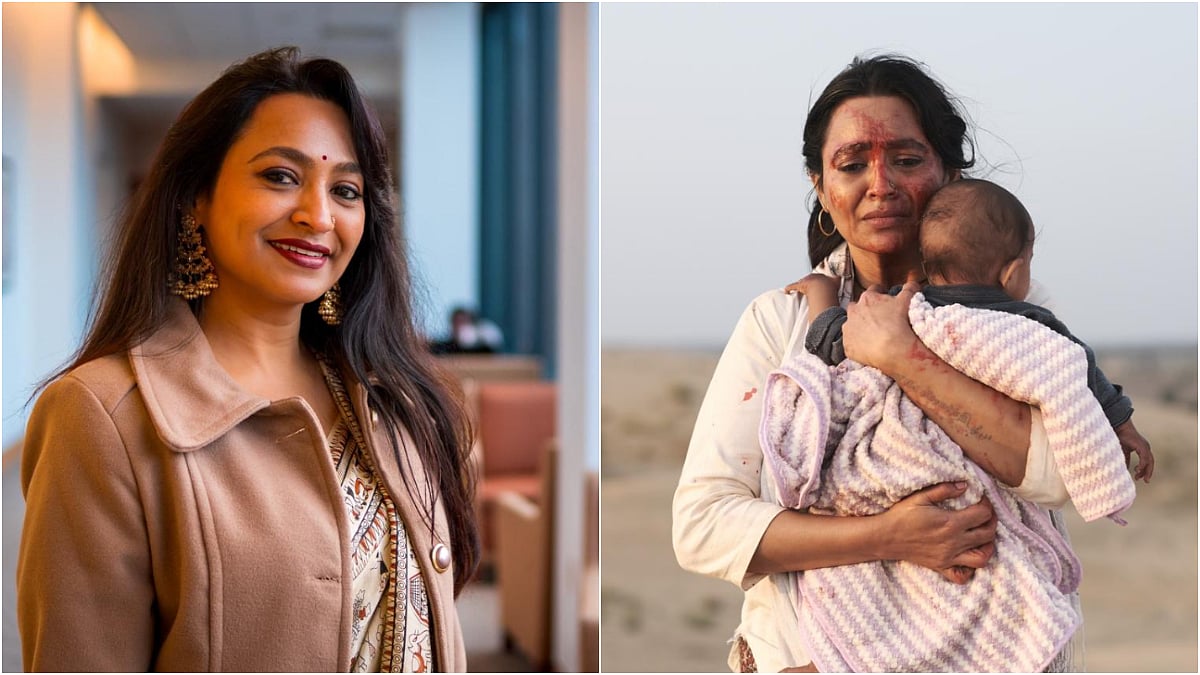
Filmmaker-actor Trupti Bhoir discusses the global impact of Paro and her mission to fight bride trafficking | File Photo
In an exclusive conversation with The Free Press Journal, filmmaker, actor, and activist Trupti Bhoir opens up about the emotional, political, and creative journey behind her internationally acclaimed film Paro.
From uncovering the brutal reality of bride trafficking in northern India to advocating before national bodies with survivors by her side, she shares how cinema and social responsibility merge in her mission.
In this interview, she reflects on her research, collaborations, recognition on global platforms, and the deeper purpose driving her work. Excerpts:
Q. Paro has been screened at major international festivals and earned standing ovations. What has this global journey meant to you personally?
A. The international journey of Paro has been deeply personal for me. The issue it highlights is not limited to India; it is a silent wound felt across the world. What fills me with pride is that India is not only acknowledging this reality but is also raising its voice, spreading awareness, driving change, and giving strength and protection to young girls who deserve dignity and freedom. For me, that is the true success of this film.
Q. What first inspired you to make a film about the practice of bride slavery?
A. In 2015, I watched two documentaries, one by Al Jazeera and another titled Bride Trafficking in India. Even the BBC had reported on the issue. As I saw these stories unfold, something within me changed. I felt compelled to find out whether this was really happening in my own country. When I began researching, I uncovered a harsh truth: this exploitation was a reality in Mewat, Haryana, and had spread into parts of Rajasthan, Uttar Pradesh, and even the outskirts of Delhi. These were not just statistics or headlines; these were real young girls being bought, sold, and silenced. Paro was born from that deep sense of helplessness and the urgent need to tell their story.
Q. Tell us about your experience working with director Gajendra Ahire and co-star Taha Shah Badussha.
A. Gajendra is my guru in filmmaking. I’ve directed one film and one documentary myself, and every time I step behind the camera, I realise how much his wisdom has shaped me. He never compromises on the artistry of storytelling, even when resources are limited. We’ve worked together on three films, and one of them, Touring Talkies (a Marathi film), where I was the lead actor, producer, and co-writer, was even listed for the Oscars in 2014. That journey bonded us deeply as artists and as friends. And then there’s Taha Shah Badussha, a truly talented actor. He is easy to work with, sincere, passionate, and always supportive on set.
Q. How did your three-year research into the Paro community shape the film’s authenticity?
A. When I first visited the Mewat region, I met more than 60 women identified as Paros. I listened to their stories about how they had been taken away as young girls and made into brides in unfamiliar places. Each face held a lifetime of sorrow. My film carries the voices of all those women; it is woven from their tears and resilience. As an actor, I absorbed their body language and the quiet dignity with which they carried their pain. For our team, visiting their homes and villages shaped every detail of the setting, the costumes, the colours, and the entire atmosphere of that world.
Q. The story is disturbing yet deeply humane. What do you want viewers to take away from it?
A. I want this film to open people’s eyes and hearts to the silent suffering of these girls who are treated as products instead of human beings. I want people to pause, reflect, and ask themselves: Are we doing enough to protect our daughters, our sisters, our future? If Paro inspires even one person to protect one innocent life, then the purpose of this film will be fulfilled.
Q. Paro has gone beyond cinema, sparking discussions with ministers and policymakers. How did that advocacy phase begin?
A. For me, Paro became a mission. These women needed to be heard at the highest level, and that marked the beginning of my difficult journey of reaching out to those in power. I knocked on many doors, met officials, wrote letters, and waited for responses that sometimes never came. But I didn’t give up. I was fortunate to receive support from the Honourable Minister for Social Justice, Ramdas Athawale. He stood by me and understood the importance of what we were trying to achieve. His support allowed me to go deeper into the villages, gather real data, and document the stories of more than four thousand women—handwritten, personal accounts of pain and survival. The Chairperson of the National Commission for Women, Vijaya Rahatkar, reviewed the data and immediately invited me to speak at a major meeting in Vigyan Bhawan focused on the rights of Muslim women in India. I brought along two real Paro survivors who had lived through this horror. When they stood before the commission and spoke in their trembling voices, the entire room was moved to tears. Our demands and their stories were officially recorded by the government. We were told the process would take time, but that our fight had been heard. For us, that meant everything.
Q. What has been the most moving response you’ve received from the women whose stories inspired Paro?
A. One moment I will never forget came during my research, when a woman looked at me with exhausted eyes and said, “We have no dignity here. Even a goat is worth more than us. People can buy us for almost nothing. We are not known by our names, only as Paros.” Those few lines carried generations of pain, humiliation, and lost identity. In that moment, I knew I had to tell their story.
Q. Winning international awards, including Best Actress, must feel rewarding. How do you view this recognition?
A. Honestly, for me, the awards and trophies are not the goal. What truly matters is that Paro’s story reaches as many people as possible. When the film was first screened at an international festival and I received an award, it felt less like a personal achievement and more like a bridge to bring this urgent issue closer to the world. Every recognition sparks conversation, empathy, and action.
Q. You’ll soon speak at TEDx Manhattan Beach. What will be the central message of your talk?
A. My TEDx Talk will focus on the subject of Paro, my social work, and the films I create. I have two powerful tools: filmmaking and the NGO I run, Shelter Foundation. Through these two paths, I’ve been working to raise awareness and bring meaningful change. I will share what I’ve achieved so far and how art and activism together can touch lives and inspire action.
Also Watch:
ALSO READ
Q. Looking ahead, what kind of stories or causes do you hope to champion next?
A. My next film will once again focus on a socially impactful subject, one that carries weight, truth, and urgency. Through my films, I want to tell stories that move hearts and inspire action. This is the journey I am committed to, and it is the path I will continue to follow.
To get details on exclusive and budget-friendly property deals in Mumbai & surrounding regions, do visit: https://budgetproperties.in/
RECENT STORIES
-
-
-
-
-