Family Doctor Culture Declining In Urban India As Patients Flock To Specialists, Leading To Fragmented Care And Rising Costs
Medical experts say the role of family physicians is declining in urban India as patients increasingly consult specialists, corporate hospitals and digital platforms directly. Doctors warn this shift is leading to fragmented treatment, higher healthcare costs and loss of continuity in care.

Family Doctor Culture Declining In Urban India As Patients Flock To Specialists, Leading To Fragmented Care And Rising Costs |
Mumbai: The family doctor, once the cornerstone of healthcare in India, is gradually becoming less common, particularly in urban areas, as patients increasingly seek treatment directly from specialists, corporate hospitals and digital healthcare platforms. While this shift has improved access to advanced medical care, doctors say it has also led to fragmented treatment, unnecessary investigations, rising healthcare costs and the loss of continuity in patient care.
Experts Say Family Physicians Remain Vital for Preventive Health
On the occasion of Doctors' Day, medical experts said the traditional family physician's role has evolved with changing healthcare needs, but remains indispensable for preventive and coordinated care.
Dr Samir Garde, Director, Department of Pulmonology and Lung Transplant, Gleneagles Hospital, Parel, said the family doctor culture has weakened significantly in cities. "Without a trusted family physician, patients often consult multiple doctors, leading to unnecessary tests, higher healthcare costs and fragmented care. A family doctor provides continuity, preventive care and a better understanding of a patient's long-term health," he said.
Online Health Info and Specialist Access Bypass General Practitioners
Dr Garde noted that many patients now believe specialists provide quicker or better treatment, while online health information has encouraged people to bypass general practitioners. However, he stressed that family physicians can effectively manage most common illnesses and refer patients to specialists only when required.
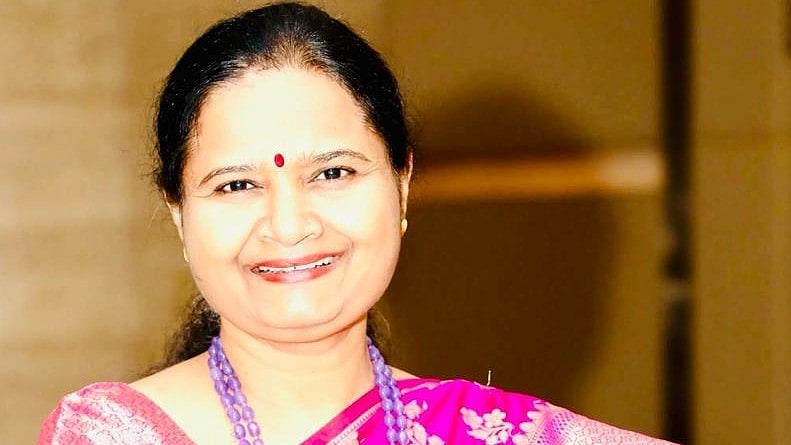
Offering a different perspective, Dr Rajshree Dayanand Katke, Professor and Unit Head at St. George's Hospital, Mumbai, said the decline is largely an urban phenomenon. "Earlier, specialist services were limited and often inaccessible, making family physicians the first point of contact. Today, increased health awareness and better availability of specialists have naturally changed patient preferences," she said. Dr Katke added that in rural areas, many people still visit their family doctor before approaching a specialist, while patients with complex conditions inevitably require specialised treatment.
Dr Kovil Highlights Value of Continuity and Early Diagnosis
Dr Rajiv Kovil, Diabetes and Obesity Specialist at Zandra Healthcare, said a family physician offered far more than treatment for common illnesses. "A family doctor understood the patient's medical history, lifestyle and family background. This continuity often resulted in earlier diagnosis, fewer unnecessary investigations and more rational treatment. Although patients today have easier access to specialists, the value of a trusted primary care physician remains unchanged," he said.
Dr Sundar Krishnan, Senior Consultant in Internal Medicine at KIMS Hospitals, Thane, said the family physician has not disappeared but adapted to a changing healthcare system. "Patients today have access to specialists, telemedicine and multiple healthcare options. However, a trusted primary care physician remains essential. A doctor familiar with the patient's history can detect problems early, coordinate treatment across specialties and help avoid unnecessary investigations," he said.
Experts attributed the changing healthcare landscape to the growth of corporate hospitals, digital appointment platforms, health insurance and greater access to specialist care. Despite these changes, they agreed that family physicians continue to play a crucial role in preventive healthcare, chronic disease management and ensuring holistic, patient-centred care. Rather than replacing the family doctor, they believe technology should strengthen the role of primary care physicians and improve coordination across the healthcare system.
To get details on exclusive and budget-friendly property deals in Mumbai & surrounding regions, do visit: https://budgetproperties.in/
RECENT STORIES
-
-
-
-
-