Diabetes Diagnoses Shift Younger: Average Age Of Detection Drops From 43 To 38 Years, Zandra Healthcare Study Finds
Diabetes diagnoses are increasingly affecting younger people, with the average diagnosis age falling from 43 to 38, according to Zandra Healthcare data. More than 80% of patients in the post-pandemic period were identified through proactive screening, while lifestyle-related risks and diabetes complications also increased.

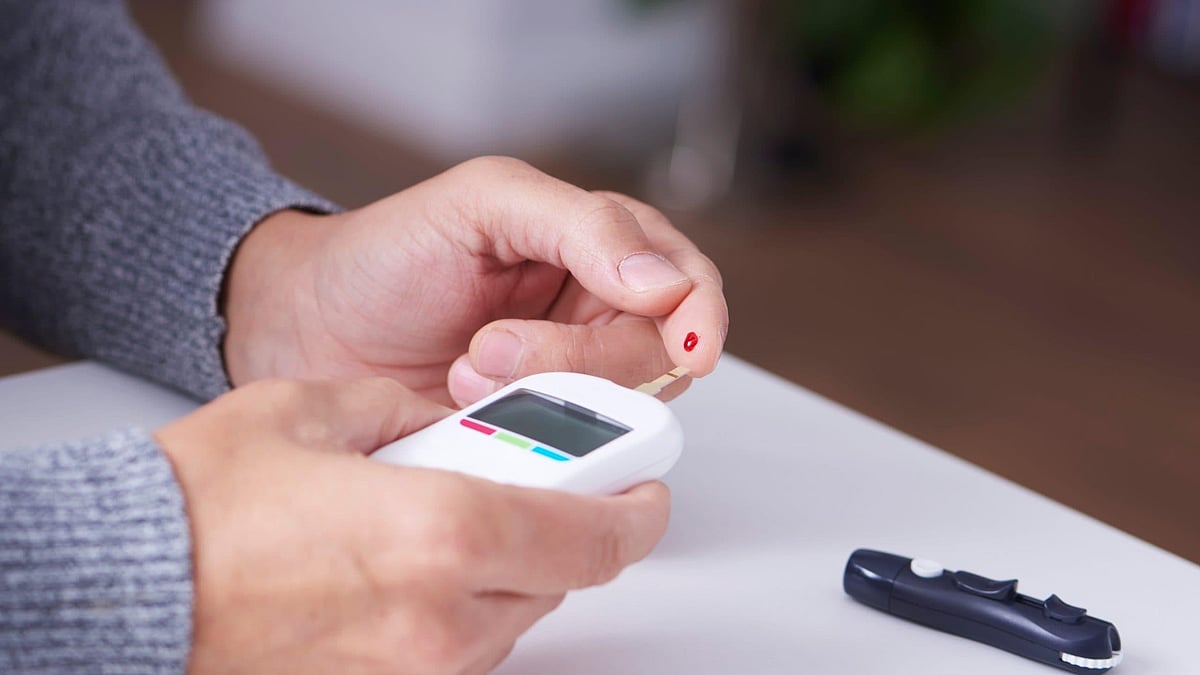
A growing number of younger people are being diagnosed with diabetes, highlighting the importance of preventive screening and healthier lifestyles | Representational image
Mumbai, November 13, 2026: Diabetes is increasingly affecting younger individuals, with the average age of diagnosis dropping by five years, from 43 to 38, according to an analysis of patient data by Mumbai-based Zandra Healthcare. The findings also point to a shift towards symptom-free detection, with more than 80% of patients diagnosed through proactive screening in the post-pandemic period.
Analysis Compares Pre And Post-Pandemic Data
The analysis compared patient records from March 2015 to March 2020 (pre-pandemic) with April 2020 to April 2025 (post-pandemic). It covered 7,274 unique patients and 45,083 visits in the pre-pandemic period, compared with 8,712 patients and 53,927 visits in the subsequent five years.
A significant increase was observed in newly diagnosed patients, with a diabetes history of three years or less. Their proportion rose from 24% (1,746 patients) before the pandemic to 38% (3,311 patients) afterwards.
The pattern of diagnosis also changed considerably. Before the pandemic, over 65% of patients were diagnosed after developing symptoms. However, in the post-pandemic period, more than 80% were identified through proactive screening, often before experiencing noticeable symptoms, highlighting the growing role of preventive health check-ups.
Lifestyle Factors And Gender Distribution
The analysis also points towards changing lifestyle patterns among patients. While around 20% (1,451) reported frequent work-related travel and high stress before the pandemic, over 90% (7,844) of patients in the post-pandemic period reported lifestyle-related factors such as long working hours, remote working, increased consumption of outside food and workplace stress.
The gender distribution also became more balanced, with the share of male patients declining from 64% before the pandemic to 58% (5,053 patients) afterwards.
Complications Raise Health Concerns
Concerns were also raised over diabetes-related complications. The post-pandemic patient group showed more cases of proteinuria, indicating kidney damage, and diabetic retinopathy, which affects eyesight. Dyslipidemia, or abnormal cholesterol and lipid levels, remained highly prevalent, affecting over 90% of patients in both periods.
Also Watch:
ALSO READ
Dr Rajiv Kovil, Diabetes and Obesity Specialist at Zandra Healthcare, said, "The growing number of younger people diagnosed with diabetes is concerning, particularly as many have no early symptoms. While proactive screening is encouraging, early detection must be followed by sustained lifestyle changes, including physical activity, healthier eating and stress management. Workplaces must also introduce regular health screening and wellness programmes."
To get details on exclusive and budget-friendly property deals in Mumbai & surrounding regions, do visit: https://budgetproperties.in/
RECENT STORIES
-
-
-
-
-