FPJ Exclusive: CT University Bans Forced Swim Test On Animals After PETA India Raises Cruelty Concerns
CT University in Ludhiana has announced that it will prohibit the use of the controversial forced swim test in all present and future research after concerns were raised by PETA India. The decision follows growing criticism from scientists who question the validity of the experiment and call for humane, human relevant alternatives in scientific research.

CT University Bans Forced Swim Test On Animals After PETA India Raises Cruelty Concerns |
Ludhiana, March 11: CT University in Ludhiana has announced that it will formally prohibit the use of the controversial forced swim test in all current and future research projects. The decision comes after representations made by People for the Ethical Treatment of Animals India, commonly known as PETA India, which highlighted concerns around animal cruelty and the scientific reliability of the experiment.
The development marks another institutional shift in India’s academic community regarding the continued use of the test. Earlier, Chitkara University in Chandigarh had also confirmed that it would discontinue the experiment following discussions with the animal rights organisation.
Why has the experiment drawn criticism
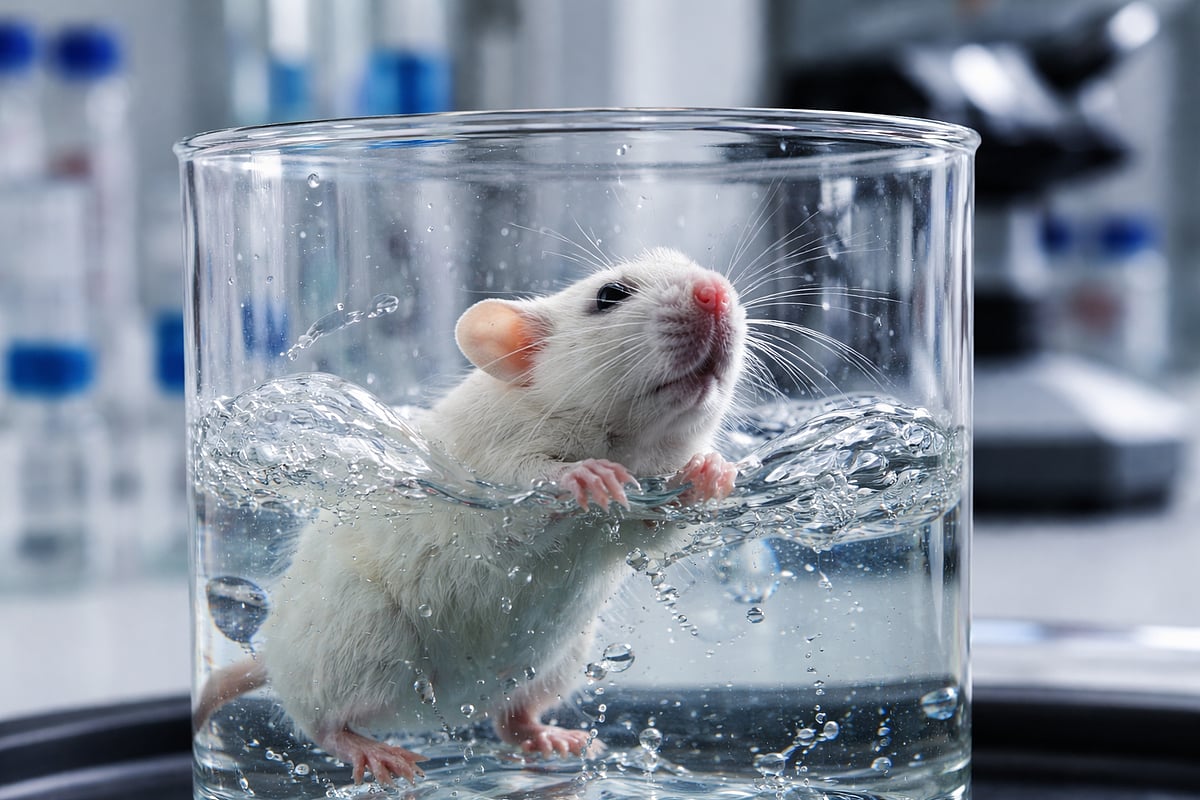
The forced swim test involves placing small animals such as mice and hamsters into containers filled with water from which they cannot escape. Before the test, the animals are given various substances and then observed while they attempt to stay afloat.
Researchers have traditionally used the experiment to study behavioural responses that were believed to reflect symptoms of human depression. However, many scientists have increasingly questioned the validity of the test.
According to critics, animals floating during the experiment does not necessarily indicate despair or depression. Instead, researchers suggest that the behaviour may simply reflect an adaptive response in which the animal conserves energy while adjusting to a new environment. Some studies have even suggested that the method may be unreliable for evaluating the effectiveness of antidepressant drugs.
University to shift towards alternative research methods
In communication with PETA India, CT University principal Dr Vir Vikram confirmed that the institution acknowledges the scientific concerns surrounding the test.
He stated that immobility observed during the experiment is often considered a learned and adaptive behaviour rather than a dependable model for understanding human depression.
The university’s School of Pharmaceutical Sciences will now prioritise research approaches considered more relevant to human biology. These include computational modelling, laboratory studies using human cells, genomic research and other alternatives that do not involve animal testing.
Growing calls for national level ban
The move also comes after the Pharmacy Council of India directed institutions under its purview in April to review the continued use of the experiment.
More than 100 scientists and research experts have supported calls to discontinue the forced swim test, urging regulatory authorities and research institutions to adopt modern and humane scientific methods.
PETA India has said it will continue to push for a nationwide prohibition of the experiment through the Committee for Control and Supervision of Experiments on Animals.
RECENT STORIES
-
-
-
-
-